By Osaigbovo Okungbowa, Senior Political Correspondent
In what has been termed a momentous victory for the ruling All Progressives Congress (APC), the Edo State governorship election has culminated in the triumph of Senator Monday Okpebholo, the party’s candidate. The results, declared by the Independent National Electoral Commission (INEC) on Sunday, have sent ripples through Nigeria’s political landscape. President Bola Tinubu swiftly released a statement applauding the victory, commending the peaceful conduct of the election, and congratulating the people of Edo State for their maturity in fostering a stable democracy.

However, beneath the surface of this electoral outcome lies a complex web of political undercurrents, raising critical questions about the state of Nigeria’s democracy, the role of the APC in shaping the country’s political future, and the enduring challenges faced by electoral governance in the nation. While the President’s statement paints a picture of optimism, unity, and democratic progress, a closer examination reveals a more contentious and multifaceted reality.
A Celebration of APC’s Political Machinery or an Erosion of Democratic Trust?
The congratulatory tone adopted by President Tinubu in his statement is hardly surprising, given that the APC secured another significant political victory. By commending Senator Monday Okpebholo for his electoral success and recognising the efforts of APC leaders at both the national and state levels, Tinubu underscored the party’s enduring dominance in the Nigerian political sphere. Yet, behind this public endorsement, one must ask: Does the victory in Edo truly reflect the will of the people, or is it yet another example of how entrenched political interests shape outcomes in an increasingly fragile democracy?
While the President speaks glowingly of the people’s support for the APC’s progressive ideals, economic reengineering programmes, and commitment to improving Nigerian lives, the very notion of “progress” under the APC government has been hotly debated. Critics argue that the ruling party’s policies have failed to address critical economic challenges, including rising inflation, unemployment, and widespread discontent over fuel subsidy removal. As such, the question remains: Was the victory in Edo a genuine endorsement of APC governance, or was it the result of a well-oiled political machinery that leveraged its influence to secure power, regardless of the people’s sentiments?
The Illusion of Magnanimity and Unity
In his statement, President Tinubu urged Senator Okpebholo not to gloat over his victory but to instead embrace a spirit of magnanimity by reaching out to his political rivals and working towards uniting the people of Edo State. While this call for unity is undoubtedly noble on the surface, it raises deeper concerns about the growing polarisation within Nigerian politics. Can unity be achieved when electoral outcomes often breed resentment and division, especially in a system where power dynamics are closely tied to ethnic and regional identities?
Moreover, the President’s emphasis on the peaceful nature of the election seems to gloss over the underlying tensions that persist in Nigerian politics. While the Edo election may have been largely free of violence, it is essential to remember that the country’s electoral history is marred by widespread vote-buying, voter suppression, and manipulation of results. Even in this election, reports surfaced of voter intimidation and allegations of financial inducement. The call for unity, therefore, may be more of a political necessity than a genuine commitment to healing the rifts created by Nigeria’s fractured political landscape.
A Stable Democracy or a Struggle for Legitimacy?
Tinubu’s statement went further to highlight Nigeria’s progress toward a stable democracy, with peaceful political contests serving as a testament to the nation’s maturity. At face value, this assertion aligns with the image Nigeria has tried to project to the international community as a beacon of democratic growth in West Africa. However, such a narrative may be dangerously premature.
While elections have been largely peaceful in recent years, Nigeria’s democracy is still grappling with significant challenges. Voter apathy remains a critical issue, with low turnout rates reflecting a deep sense of disenfranchisement among citizens. The Edo governorship election was no exception, with many voters expressing disillusionment with the political class, feeling that elections merely recycle the same elites without delivering meaningful change. Furthermore, the role of the judiciary in electoral matters continues to raise concerns, with many Nigerians questioning the independence of the courts in adjudicating electoral disputes.
President Tinubu’s appeal to aggrieved parties to seek redress through legal channels is undoubtedly the proper course of action in any democracy. Still, the trust deficit in Nigeria’s judiciary cannot be ignored. Numerous cases of controversial judicial rulings, which some allege are influenced by political interests, have led to growing skepticism about the fairness of the judicial process. Will those aggrieved by Senator Okpebholo’s victory genuinely feel that they will receive justice, or will they view the courts as yet another extension of the ruling party’s influence?
The Role of INEC: A Contested Success Story
Perhaps the most striking element of President Tinubu’s statement is his praise for the Independent National Electoral Commission (INEC) and the security agencies for their role in ensuring a peaceful and largely hitch-free election. This commendation, while seemingly appropriate, must be scrutinised in the broader context of INEC’s performance over the years.
INEC has often been at the centre of controversies surrounding election management in Nigeria. While the commission has made significant strides in improving the transparency of the electoral process, particularly with the introduction of technology like the Bimodal Voter Accreditation System (BVAS), allegations of irregularities still persist. In the Edo election, there were reports of logistical challenges, delays in the arrival of voting materials, and malfunctions in some BVAS machines. Although these issues were not widespread enough to derail the entire process, they serve as a reminder that INEC’s path to becoming a truly independent and effective electoral body is far from complete.
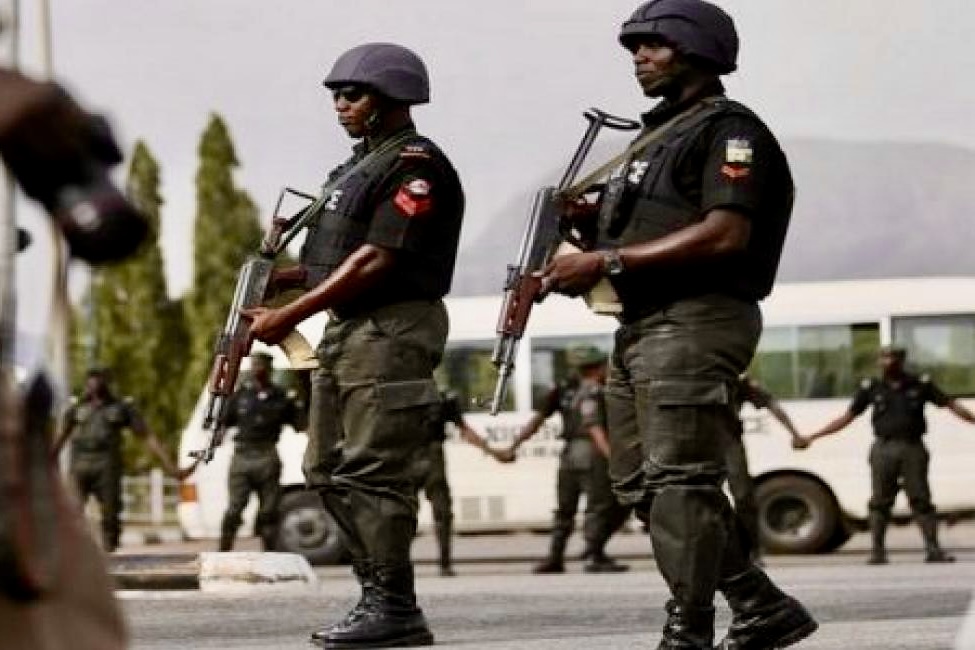
Moreover, the President’s acknowledgment of the role played by security agencies raises additional questions. Nigeria has a troubling history of security forces being used to intimidate voters or skew election results in favour of the ruling party. While the Edo election may have been relatively peaceful, it is essential to remain vigilant about the potential for security agencies to overstep their mandate, particularly in future elections where the stakes may be higher.
The Long Road Ahead: A Test of Governance and Accountability
As Senator Monday Okpebholo prepares to take office as Edo State’s governor, he faces an uphill battle in delivering on the promises made during the campaign. The President’s call for him to see his victory as a “challenging call to service” is a tacit acknowledgment of the significant challenges that lie ahead, both for Edo State and for Nigeria as a whole.
Edo State, like many other parts of the country, is grappling with critical governance issues, including underdevelopment, high unemployment rates, and poor infrastructure. Senator Okpebholo’s ability to address these challenges will not only define his legacy but will also serve as a barometer for the APC’s performance at the state level. If the new governor fails to deliver, it could further erode the already fragile trust that many Nigerians have in their leaders.
Additionally, the President’s insistence that Okpebholo should not gloat but instead reach out to his political rivals speaks to the deep-rooted divisions that exist within Edo State’s political landscape. To govern effectively, the new administration will need to foster an inclusive approach that transcends partisan politics and addresses the needs of all citizens, regardless of their political affiliations. Whether or not Senator Okpebholo can rise to this challenge remains to be seen.
Conclusion: Victory at What Cost?
In conclusion, while President Bola Tinubu’s statement on the APC’s victory in Edo State seeks to project an image of political stability, unity, and democratic progress, the reality on the ground tells a more complicated story. The victory of Senator Monday Okpebholo, though significant, is emblematic of the broader challenges facing Nigeria’s democracy, from voter disenfranchisement to judicial credibility, electoral governance, and the ever-present spectre of political manipulation.
As Nigeria continues on its democratic journey, the lessons from the Edo election must not be ignored. True democracy is not only about peaceful elections; it is about ensuring that those elections genuinely reflect the will of the people and that elected leaders are held accountable for delivering on their promises. Only then can Nigeria begin to bridge the gap between political rhetoric and democratic reality.