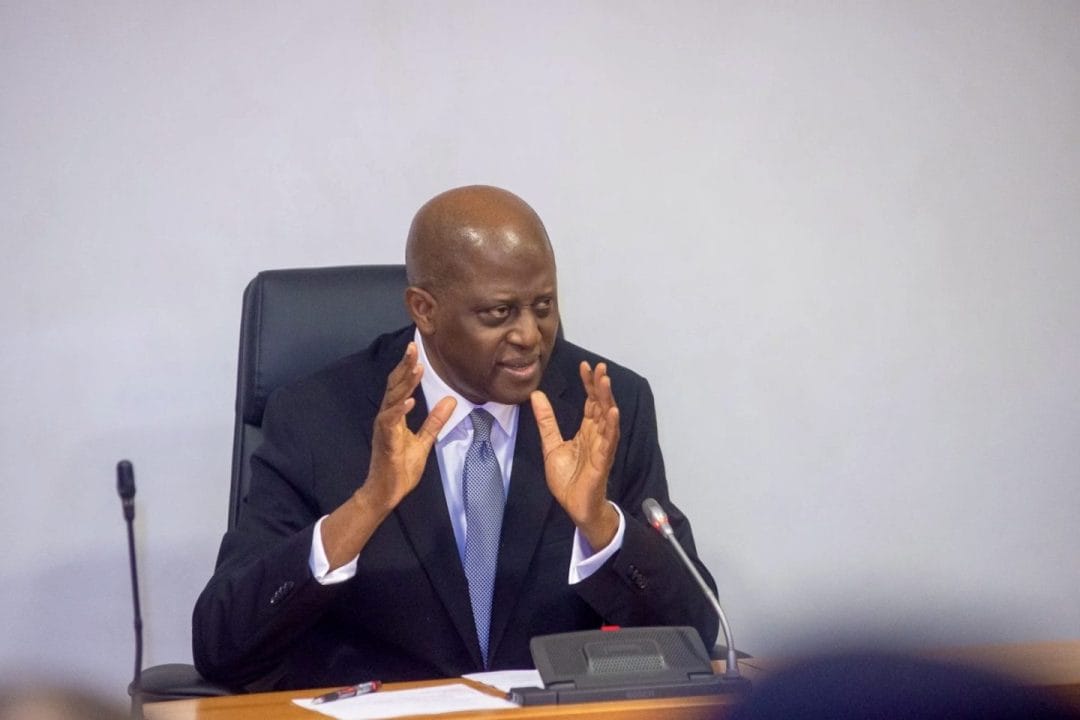
CBN fines nine Nigerian banks N1.35 billion for ATM cash scarcity during the yuletide, exposing deep structural flaws in Nigeria’s financial system.
Yuletide ATM Woes: CBN Slams N1.35 Billion Fine on Nine Banks for Cash Scarcity


In a dramatic enforcement of its regulatory policies, the Central Bank of Nigeria (CBN) has wielded its disciplinary hammer against nine Deposit Money Banks (DMBs) for failing to ensure sufficient cash availability via Automated Teller Machines (ATMs) during the 2024 yuletide season.
The apex bank imposed a cumulative fine of N1.35 billion, with each institution penalised N150 million for non-compliance with its cash distribution guidelines. This unprecedented move has sparked a fervent debate over the operational efficiency of Nigerian banks and the CBN’s regulatory mechanisms.
The affected banks—including Fidelity Bank Plc, First Bank Plc, Keystone Bank Plc, Union Bank Plc, Globus Bank Plc, Providus Bank Plc, Zenith Bank Plc, United Bank for Africa Plc, and Sterling Bank Plc—have been accused of exacerbating cash shortages during a period of heightened demand.
This enforcement action, announced by Mrs. Hakama Sidi, the acting Director of Corporate Communications at the CBN, underscores the regulator’s commitment to prioritising public access to cash.
A Festive Season Marred by Cash Shortages
The yuletide period, traditionally marked by increased consumer spending, was clouded by widespread cash shortages that left many Nigerians stranded and frustrated. Across the country, ATMs sat idle, either out of service or empty, as queues of desperate customers lengthened.
The CBN, keen to avoid a repeat of past crises, had issued stern warnings to banks to adhere to its cash distribution policies. Yet, the situation spiralled into chaos, prompting the apex bank to intervene with punitive measures.
Mrs. Sidi’s statement encapsulated the gravity of the CBN’s zero-tolerance stance:
“In a clear message of zero tolerance for cash flow disruptions, the Central Bank of Nigeria has sanctioned Deposit Money Banks for failing to make Naira notes available through automated teller machines during the yuletide season. Each bank was fined N150m for non-compliance, in line with the CBN’s cash distribution guidelines, following spot checks on their branches.”
Regulatory Action or Overreach?
The sanctions have reignited debate about the efficacy and fairness of the CBN’s regulatory framework. Critics argue that while the penalties highlight the apex bank’s proactive approach, they also expose systemic flaws in Nigeria’s financial infrastructure. Why, for instance, does cash scarcity persist despite multiple interventions? Is the issue rooted in bank inefficiency, or does the problem extend to the CBN’s policy implementation?
The penalties will be directly debited from the banks’ accounts with the CBN, a swift and decisive move designed to leave no room for negotiation. This has sent shockwaves across the banking sector, with stakeholders questioning whether the fines are merely punitive or part of a broader strategy to compel compliance.
The Banks’ Response: A Deafening Silence
As of now, the affected banks have maintained a stoic silence, refraining from issuing public statements. This reticence could either reflect an acknowledgment of culpability or a strategic decision to avoid inflaming public sentiment. However, behind the scenes, there is likely intense activity as these financial institutions scramble to reassess their cash distribution strategies and compliance mechanisms.
A History of Cash Distribution Failures
This is not the first time that Nigerian banks have come under fire for cash rationing and poor customer service. In September 2024, the CBN announced plans to penalise banks failing to dispense cash via ATMs, a policy aimed at curbing cash hoarding and improving liquidity. By November, the CBN urged customers to report ATM and branch cash withdrawal issues through designated state-specific channels. Yet, these measures appear to have fallen short, as evidenced by the yuletide cash crisis.
According to sources within the banking sector, the root causes of cash scarcity are multifaceted, ranging from logistical challenges to deliberate hoarding by some financial institutions. The CBN’s decision to intensify monitoring of cash hoarding and rationing at bank branches and Point-of-Sale (POS) terminals is a step in the right direction, but questions remain about the long-term sustainability of such measures.
Collaboration with Security Agencies
The CBN’s statement also revealed plans to collaborate with security agencies to address illegal cash sales and ensure compliance with the daily withdrawal limit of N1.2 million for POS operators. This initiative aims to dismantle the shadow economy thriving on cash scarcity, but its success will depend on the effectiveness of enforcement mechanisms.
A Broader Policy Question
At its core, the CBN’s enforcement action raises fundamental questions about governance and accountability within Nigeria’s banking system. How effective are the apex bank’s policies in addressing structural inefficiencies? To what extent can punitive measures drive systemic change? The answers to these questions will shape not only the future of Nigeria’s financial sector but also public confidence in its institutions.
The Human Cost of Cash Scarcity
Beyond the regulatory and operational implications, the yuletide cash crisis has inflicted significant hardship on ordinary Nigerians. Small business owners, reliant on cash transactions, saw their earnings plummet as customers struggled to access money. Families faced difficulties meeting basic needs, while the informal sector—a backbone of Nigeria’s economy—suffered immensely. This human cost underscores the urgent need for systemic reforms to ensure seamless cash availability, particularly during periods of high demand.
The stage is now set for further developments, as Nigerians await the banks’ responses and the CBN’s next steps. In the second batch of this report, we will delve deeper into the structural and policy issues underpinning this crisis, explore potential solutions, and analyse the broader implications for Nigeria’s economy and governance.
Structural Failures and Policy Critique
A Deep Dive into Structural Inefficiencies
The yuletide cash crisis underscores deep-rooted structural inefficiencies within Nigeria’s banking and financial ecosystem. Despite the CBN’s determined efforts to enforce compliance through fines and penalties, the recurrence of cash shortages reveals a more profound systemic dysfunction.
At the heart of the problem lies a fragmented cash distribution infrastructure that struggles to meet the demands of a growing population. The reliance on manual cash management systems, coupled with outdated ATM networks, exacerbates the issue.
Moreover, logistical bottlenecks and security concerns during cash transit contribute to the uneven distribution of currency across urban and rural areas. While metropolitan centres like Lagos and Abuja might experience temporary shortages, rural communities often face chronic cash scarcity. This disparity highlights the need for a more decentralised and technology-driven approach to cash distribution.
Policy Gaps and Implementation Challenges
Critics have pointed to policy inconsistencies as a significant factor in the crisis. The CBN’s cash distribution guidelines, while well-intentioned, lack clarity and coherence in implementation. Financial institutions often grapple with conflicting directives, leading to delays and inefficiencies in executing cash flow strategies. Additionally, the absence of stringent monitoring mechanisms allows some banks to flout regulations with impunity.
The daily withdrawal limit of N1.2 million for POS operators, though designed to curb hoarding, has inadvertently stifled liquidity in the informal sector. Small-scale traders and POS operators, who form the backbone of Nigeria’s cash-based economy, have been disproportionately affected. This policy oversight calls for a nuanced approach that balances regulatory enforcement with economic realities.
The Role of Technology
A critical aspect of addressing cash scarcity lies in leveraging technology to modernise Nigeria’s financial infrastructure. The adoption of digital banking solutions, mobile money platforms, and blockchain technology can significantly enhance the efficiency of cash distribution. However, the transition to a cashless economy must be gradual and inclusive, ensuring that vulnerable populations are not left behind.
The CBN’s ongoing efforts to promote cashless transactions, such as the eNaira initiative, have shown promise but require broader acceptance and adoption. Public awareness campaigns, targeted incentives, and partnerships with fintech companies can accelerate this shift while mitigating the risks of exclusion.
Accountability and Governance
Beyond technical and policy solutions, the crisis underscores the need for robust governance and accountability within Nigeria’s financial sector. The CBN must intensify its oversight role, ensuring that banks adhere to regulatory standards without compromising customer satisfaction. Transparent reporting mechanisms, coupled with independent audits, can foster greater trust and accountability.
Similarly, financial institutions must prioritise customer-centric strategies that align with their regulatory obligations. Proactive communication, improved service delivery, and investment in infrastructure are essential steps toward rebuilding public confidence in the banking system.
A Call to Action
The yuletide cash scarcity serves as a wake-up call for all stakeholders in Nigeria’s financial ecosystem. The CBN’s enforcement actions, while commendable, must be complemented by systemic reforms that address the root causes of cash shortages. Banks, regulators, and policymakers must work collaboratively to build a resilient and inclusive financial system that meets the needs of all Nigerians.
As the dust settles on this crisis, the lessons learned must inform future strategies to prevent a recurrence. The path forward requires bold leadership, innovative solutions, and an unwavering commitment to the public good. Only then can Nigeria’s financial sector fulfil its potential as a driver of economic growth and social development.