Former President Muhammadu Buhari—Nigeria’s erstwhile military strongman turned civilian leader—died in London on 13 July 2025 at 4:30 p.m. (15:30 UTC), after a prolonged illness, aged 82. His passing closed a consequential chapter in Nigerian history: from ousting a democratically elected government in 1983 to heralding a “Christian persecution boom” under his civilian presidency (2015–2023).
Rise to Power: The 1983 Coup and Authoritarian Beginning
On 31 December 1983, Major‑General Buhari led a bloodless military coup that deposed President Shehu Shagari, marking the sixth military takeover since independence.
Portraying himself as Nigeria’s disciplinarian, he imposed sweeping decrees that curtailed civil liberties, including whipping civilians in public for minor infractions and mandating calisthenics for tardy civil servants.
The “Dikko Affair”: Kidnapping Abroad
In July 1984, Buhari’s regime orchestrated a joint Nigerian–Israeli plot to abduct former Shagari minister Umaru Dikko from London, confining him in a diplomatic‑bag‑labelled crate destined for Lagos.
The conspiracy unraveled when British customs officials, unbound by proper diplomatic markings, inspected and freed Dikko—triggering a diplomatic rift with Britain that lasted years.
Military Rule’s Abrupt End
Despite an ostensible anti‑corruption drive, Buhari’s hardline methods alienated both military and civilian elites.
In August 1985, his own generals ousted him, citing economic stagnation and unfulfilled anti‑graft promises.
He was replaced by Major‑General Ibrahim Babangida, whose 1993 coup annulment of elections sparked nationwide outrage and foreshadowed Nigeria’s troubled democratic experiment.
Transition to Democracy and Political Comeback
After Nigeria’s return to civilian rule in 1999, Buhari contested presidential elections four times, ultimately triumphing in 2015—a historic feat as the first opposition candidate to unseat an incumbent in West Africa.
His reformist image and anti‑corruption rhetoric resonated with a populace weary of kleptocracy and insecurity.
The “Baba Go Slow” Presidency: Economic Missteps
Buhari’s second coming was marred by policy paralysis. Despite inheriting an economy in distress, he delayed naming a cabinet for six months, earning the derisive nickname “Baba Go Slow.”
In 2016, Nigeria recorded its first recession in over two decades, driven by plummeting oil revenues and foreign‑exchange shortages.
Rice Prices and the PTF Legacy
A symbol of his tenure became a simple bag of rice—its cost more than doubling amid battling inflation and subsidy reforms.
Buhari repeatedly vowed to make rice “affordable for all,” yet consumers saw no relief, inflaming public frustration.
Critics likened his flagship Petroleum Trust Fund (PTF) days—when 20% of revenues were quietly diverted to military uses—to an opaque precursor of his civilian fiscal stewardship.
Security Catastrophes: Boko Haram and Fulani Violence
Boko Haram’s Resurgence
Buhari’s 2015 campaign pledged to crush Boko Haram’s Islamist insurgency, yet under his watch the group splintered and spread.
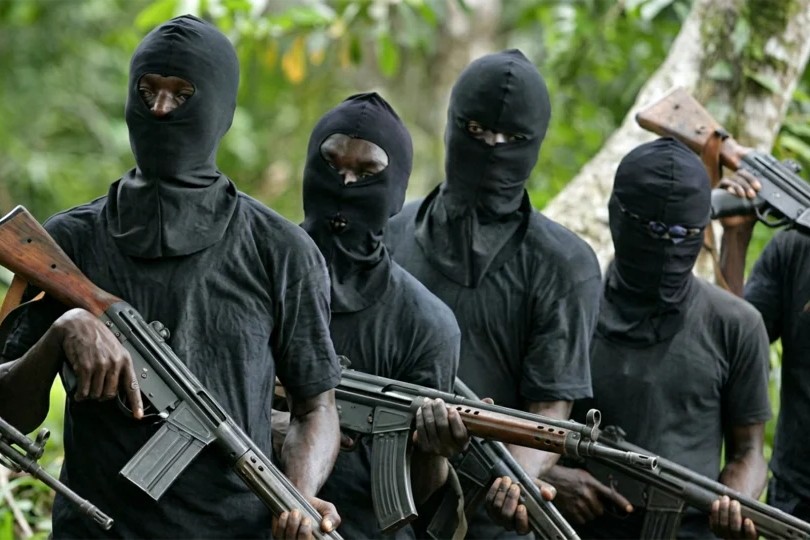
From the 2015 Baga massacre to frequent suicide bombings in Maiduguri, fatalities soared—an estimated 62,000 Christians alone were slain across Nigeria by Islamist extremists from 2009 to 2023, over 30,000 during Buhari’s civilian presidency.
Fulani Herdsmen and Ethno‑Religious Strife
Central Nigeria witnessed deadly clashes between predominantly Christian farmers and Fulani herders.
While Boko Haram claimed headline attention, more than 16,000 Christians were killed by bandits, herders, and insurgents between October 2019 and September 2023—nearly triple the Muslim casualty tally.
Critics accused Buhari—himself Fulani—of minimal intervention and selective framing of “banditry” over “jihad,” allowing a “silent genocide” to fester.
“They want to strike Christians, and the government does nothing to stop them, because President Buhari is also of the Fulani ethnic group,”
Bishop Matthew Ishaya Audu, Lafia, 2018.
The Zaria Massacre: Sectarian Bloodshed
In December 2015, the Nigerian Army slaughtered upwards of 350 Shia Muslims in Zaria—arresting and injuring their leader, Sheikh Ibrahim Zakzaky.
Amnesty International condemned the mass graves and cover‑ups, dubbing it the “Buhari Massacre”.
The incident underscored a glaring double standard: ruthless responses to domestic dissent juxtaposed with his touted personal “honesty.”
“Mr. Buhari can be a severe man. His resolve, puritanical streak and iron will are renowned.”
Max Siollun to The New York Times, 2015.
EndSARS and the Brutal Reprisal of Youth Protest
October 2020 saw the #EndSARS protests against the notorious Special Anti–Robbery Squad.
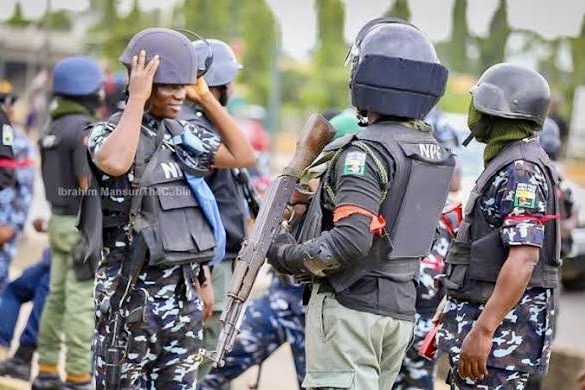
Though Buhari eventually disbanded SARS, he labelled demonstrators “rioters” undermining national security and unleashed troops—killing dozens in Lekki and Abuja.
This clampdown reaffirmed concerns over his intolerance of civil dissent and preference for force over reform.
Christian Persecution Boom: A “Silent Genocide”
Under Buhari’s civilian presidency, Christian communities bore the brunt of attacks: from church bombings to village razings.
In 2024 alone, 3,100 Christians were killed—the highest global toll—fuelling Nigeria’s ranking as the world’s most dangerous country for believers.
Internally Displaced Persons (IDPs) swelled in Christian‑majority regions, with 3.4 million uprooted by 2023.
“He inherited unprecedented goodwill and squandered it. His legacy is one of missed opportunities, deepening inequality and a country left to pick up the pieces.”
Olive Chiemerie, Lagos‑based writer, Associated Press, 2025.
Legacy and Final Assessment
Buhari’s odyssey—from military dictator to elected president—was shaped by a resolute anti‑corruption narrative and austere persona. Yet the fruits of his rule were marred by economic upheaval, institutional distrust, and deepening religious and ethnic cleavages.
His health‑shrouded absences, culminating in his death in exile, epitomised a tenure distanced from the daily strife of ordinary Nigerians.
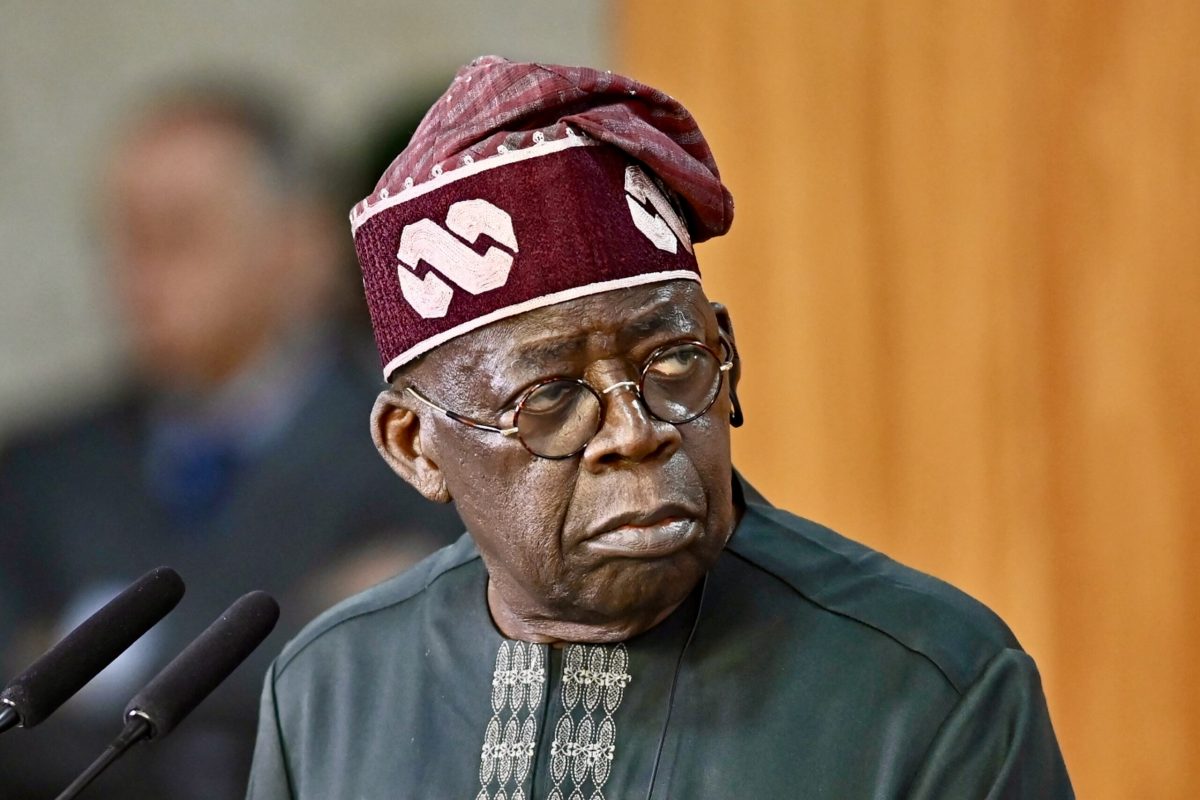
As President Bola Tinubu presides over national mourning, Buhari’s passing invites reflection: was his iron will a bulwark against graft or an accelerant for division?
His supporters cite integrity and faithfulness to public service; detractors catalog a catalogue of violence, famine‑level food price surges, and a tragic record of persecuted Christians and sectarian massacres.
In death, as in life, Muhammadu Buhari remains an enigma—a leader whose ambitions for discipline yielded a legacy of discord.