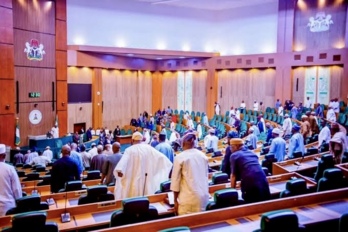
Lawmakers have ordered a sweeping audit of the Armed Forces after deadly Boko Haram raids in Monguno and Benisheikh, with equipment gaps, command lapses and alleged civilian harm now under the spotlight.
The Nigerian Senate has moved beyond condemnation and straight into accountability mode, ordering the Chief of Defence Staff, Gen. Olufemi Oluyede, and other service chiefs to conduct a sweeping operational and logistical audit of the Armed Forces after fresh Boko Haram attacks in Borno State.
The order came after lawmakers raised the alarm over coordinated strikes on military formations in Benisheikh and Monguno, two locations that remain central to Nigeria’s war on insurgency in the North-East.
Senators want answers. Fast. They are demanding a full review of how the attacks happened, whether the troops were properly equipped, and whether the rules of engagement were followed to the letter. They also want any operational lapses exposed and corrected without delay.
The debate took a darker turn when lawmakers raised fresh concern over allegations of harm to civilians during military operations. The Senate insisted that the protection of non-combatants is both a legal and moral duty, warning that trust in the Armed Forces cannot survive repeated reports of avoidable civilian suffering.
The motion behind the resolution was sponsored by Senator Tahir Monguno, who described the attacks as a calculated attempt by Boko Haram to weaken military capacity and destabilise key parts of the North-East.
He said the repeated pressure on Monguno, a strategic garrison town, and Benisheikh, a vital corridor along the Damaturu to Maiduguri highway, poses a direct threat to humanitarian operations, commercial movement and the resettlement of displaced families.
The losses have also sharpened the anger. Monguno lamented the deaths of senior officers, including Brigadier General Oseni Braimoh, Colonel Mohammed Isya, Captain A.M. Esmat and Lieutenant Kelvin Festus, alongside at least 13 other soldiers.
For the Senate, the latest attacks are not just battlefield setbacks. They are a warning sign.
Lawmakers acknowledged the “continued sacrifices” of Nigerian troops, but said the renewed attacks on military bases and civilian communities point to a deteriorating security picture that can no longer be treated as routine.
The chamber also observed a minute of silence for the fallen soldiers and affected civilians, while urging the military to deepen training on civilian protection and tighten compliance with established rules of engagement.
In a debate that showed how badly insecurity has gripped the country, Senator Abdul Ningi also called for the suspension of political activities in states facing severe unrest, including Benue, Niger, Sokoto and parts of the North-East, until stability is restored.
The proposal underscores the scale of the crisis. When politics, logistics and civilian safety all collapse into one national security emergency, the question is no longer whether Boko Haram is still active. It is whether Nigeria’s response is still strong enough to stop the slide.
Follow us on our broadcast channels today!
- WhatsApp: https://whatsapp.com/channel/0029VawZ8TbDDmFT1a1Syg46
- Telegram: https://t.me/atlanticpostchannel
- Facebook: https://www.messenger.com/channel/atlanticpostng