ABUJA, Nigeria — In a development that could either be a sign of progress or yet another fleeting spectacle, Deposit Money Banks (DMBs) in Nigeria’s Federal Capital Territory (FCT) have raised the daily over-the-counter withdrawal limit to N50,000. This move marks a significant increase from the previous limit of N5,000 imposed on customers just a month ago. While this increase might seem like a breath of fresh air to cash-strapped Nigerians, it raises more questions than answers about the nation’s fragile financial ecosystem and the sincerity of banks in resolving the persistent cash scarcity.
GTBank, Zenith Bank, and Others Raise the Bar—But Is It Enough?
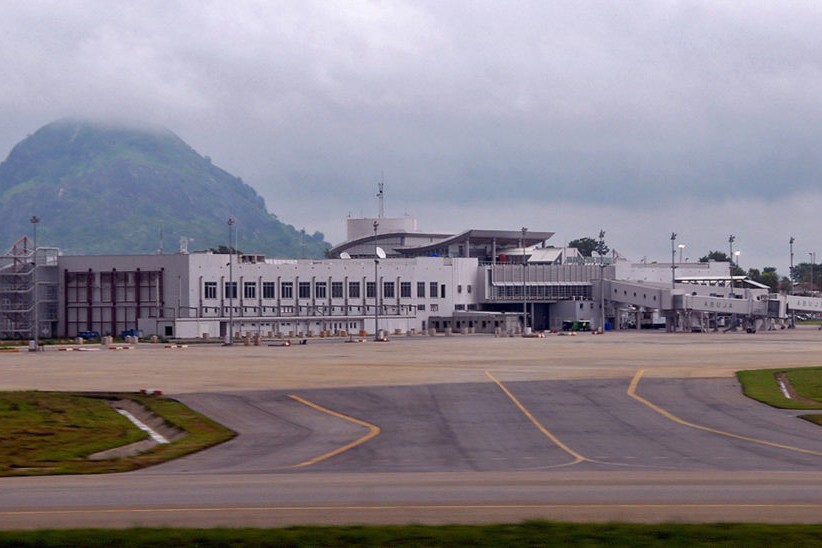
Findings from a survey conducted by The Atlantic Post on Tuesday reveal that major financial institutions such as Guaranty Trust Bank (GTBank) and Zenith Bank have embraced the new withdrawal limit. At the GTBank branch situated along the airport road in Abuja, customers were seen withdrawing N50,000 over the counter, though Automated Teller Machines (ATMs) still maintained a more conservative limit of N20,000.
When questioned about this sudden increase, a bank official dismissed the query with a simplistic explanation:
“We now have more cash and that is why we are giving out more money. Simple.”
But is it really that simple? For a nation that witnessed unprecedented cash shortages earlier this year—leading to untold hardship for millions—this sudden availability of cash raises suspicion. Are the banks genuinely more liquid, or is this a tactical manoeuvre to placate an increasingly frustrated populace?
The Cash Scarcity Crisis: A Quick Recap
To appreciate the gravity of this announcement, one must revisit the events leading up to it. Earlier in the year, Nigerians were plunged into a severe cash crunch following the Central Bank of Nigeria’s (CBN) controversial naira redesign policy. The withdrawal limits imposed at the time were part of a broader strategy to control inflation and drive a cashless economy. However, the unintended consequence was widespread chaos:
- Endless queues at ATMs.
- Exorbitant service charges by Point of Sale (POS) operators.
- Small businesses grinding to a halt due to the lack of physical cash.
The situation became so dire that several protests erupted across the country, with some incidents even turning violent. Against this backdrop, the increase to a N50,000 withdrawal limit appears more like a cosmetic solution than a structural fix.

POS Operators: The Unyielding Middlemen
While banks are making headlines with their increased withdrawal limits, POS operators—who have become an essential part of Nigeria’s financial landscape—remain skeptical. Faith, a POS operator interviewed by The Atlantic Post, expressed doubts about any immediate reduction in service charges:
“How will I reduce my charges because banks are now giving N50,000? Let it be stable first, then it would reduce.”
Currently, POS operators charge as much as N800 for a withdrawal of N20,000 and a staggering N2,000 for N50,000. These charges have become a necessary evil for many Nigerians who cannot access cash directly from banks. Faith’s comments highlight a critical issue: temporary increases in bank withdrawal limits will not translate to reduced service charges unless there is a sustained and stable supply of cash.
Economic Implications: Is This a Step Toward Stability or a Prelude to Chaos?
From an economic perspective, the increase in withdrawal limits could have both positive and negative implications. On one hand, a higher withdrawal limit might ease the liquidity crunch and stimulate economic activity. Small businesses that rely heavily on cash transactions could benefit from increased consumer spending.
On the other hand, this sudden influx of cash could reignite inflationary pressures. Nigeria’s inflation rate remains one of the highest in the world, driven by a combination of factors including currency devaluation, insecurity, and poor fiscal policies. Critics argue that increasing the cash supply without addressing these underlying issues is akin to pouring water into a leaking bucket.
A Tactical Move to Distract from Deeper Issues?
Some analysts view the increase in withdrawal limits as a tactical move by banks—and perhaps even the CBN—to divert attention from more pressing issues plaguing the financial sector. Recent reports have highlighted:
- Rising non-performing loans (NPLs) among DMBs, signaling distress in the banking sector.
- Inconsistent monetary policies by the CBN, which have eroded investor confidence.
- Allegations of corruption and mismanagement within the banking industry.
In this context, the increase in withdrawal limits could be seen as a smokescreen—a temporary relief designed to placate the masses while the structural problems remain unaddressed.
Public Reaction: Relief or Resentment?
Public reaction to the news has been mixed. While some Nigerians have welcomed the increased withdrawal limits, others remain skeptical. Social media platforms have been abuzz with commentary, with many users expressing frustration at what they perceive as a superficial solution. One Twitter user remarked:
“So now they have cash after we suffered for months? Who are they fooling?”
Another user highlighted the persistent challenges faced by rural communities, where access to banks and ATMs remains limited:
“Withdrawal limit increased to N50,000, but what about those of us in villages with no banks or ATMs? We still rely on POS operators.”
The Way Forward: What Needs to Be Done?
If Nigeria is to achieve genuine financial stability, several steps must be taken:
- Strengthen the Cash Supply Chain: Banks must ensure a consistent and adequate supply of cash across all regions, including rural areas.
- Regulate POS Charges: The government should introduce policies to regulate POS service charges, ensuring they are fair and transparent.
- Promote Financial Inclusion: Efforts must be made to expand access to banking services, particularly in underserved communities.
- Address Structural Issues: The CBN and other stakeholders must tackle the underlying economic challenges, including inflation and corruption, that continue to undermine the financial system.
Conclusion: A Temporary Relief or the Beginning of Genuine Reform?
The increase in withdrawal limits to N50,000 is a welcome development for many Nigerians, but it is far from a panacea. Without addressing the deeper issues plaguing the financial sector, this move could prove to be yet another fleeting relief in a long history of short-lived solutions. For now, Nigerians will watch and wait, hoping that this is not just another chapter in the country’s ongoing saga of economic mismanagement.