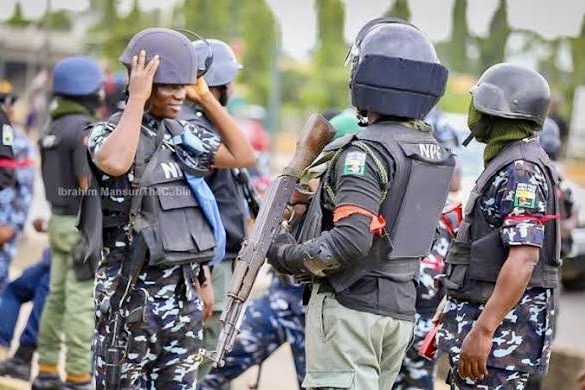
The Nigerian Army has confirmed that troops of the 25 Task Force Brigade were ambushed on Friday. The ambush occurred near Wajiroko in the Azir–Multe axis of Damboa Local Government Area in Borno State.
According to the service, the patrol group, which included fighters from the Civilian Joint Task Force, was returning from a clearance mission around the fringes of Sambisa Forest when insurgents opened heavy fire.
The Army said its troops responded with overwhelming force, broke through the ambush and forced the attackers to flee, but not before two soldiers and two CJTF members were killed.
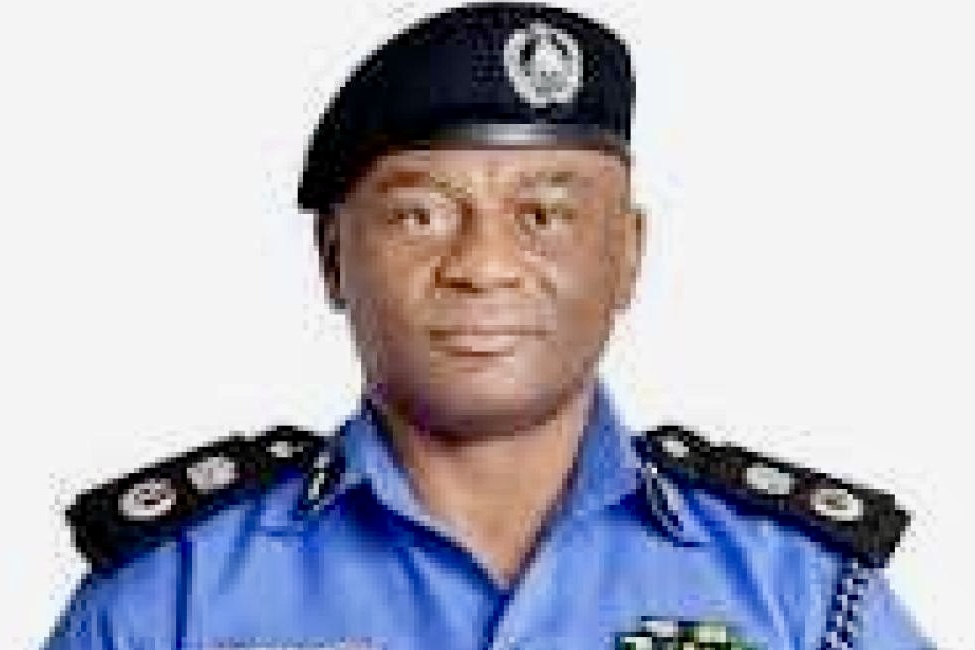
The episode has a second, reputational dimension. Viral claims that Brigadier General M. Uba is the commander of 25 Brigade and leader of the patrol. These claims of him being abducted were promptly dismissed by Army headquarters as fake news. The official line was terse.
The commander returned to base on foot. He was missing for several hours. Various outlets described the outcome as a narrow escape rather than a capture. The Army urged the public to ignore unverified reports that sought to amplify confusion.
For analysts the incident is far from an isolated skirmish. Damboa sits on one of the main arteries out of Maiduguri into the wider Lake Chad basin. It is a theatre where insurgents can exploit wooded enclaves and porous borders. They are either aligned to Boko Haram or to the Islamic State West Africa Province. They use these areas to mount ambushes and to disrupt supply and patrol routes.
The Sambisa complex remains a symbolic and practical refuge, despite repeated military clearances and high profile operations in recent years.
Operational context matters. Since 2021, the federal military has shifted from the older Operation Lafiya Dole model to Operation Hadin Kai. This is a joint task force concept that stresses interagency cooperation. It also integrates local vigilantes and civil-military liaison.
Hadin Kai has produced intermittent tactical successes and higher rates of militant surrender. Still, the strategy has always faced structural limits. These include poor intelligence fusion, logistics gaps, and the difficulty of converting battlefield pressure into sustained governance. Developing liberated areas remains a challenge.
The current ambush underlines those limits and the continued lethal competence of insurgent cells.
The human cost of the insurgency remains vast. Independent reporting and international agencies estimate that the conflict since 2009 has claimed tens of thousands of lives. It has displaced millions across the Lake Chad region.
Recent operations by Nigerian forces have produced catalogues of small victories. However, the underlying political and socio-economic drivers persist. This happens in the absence of a fully resourced national recovery plan.
That imbalance — military pressure without parallel reconstruction or credible local governance — leaves vacuums insurgents can exploit.
There are immediate tactical and strategic lessons.
First, reliance on mixed convoys composed of soldiers and CJTF members is risky. Lightly armoured vehicles expose both regulars and auxiliaries to asymmetric strikes. The CJTF remain valuable for local knowledge but their integration raises questions on training, command and care for casualties.
Second, the brief disappearance of a brigade commander, even if not an abduction, has outsized psychological and propaganda effects. Insurgent groups seek precisely that narrative leverage to prize apart morale, spur doubt and generate social media storms.
Third, sustaining an endgame will demand more than kinetic operations. The endgame requires the comprehensive defeat of insurgency and restoration of state authority.
It requires intelligence modernisation, logistics reform, and greater protection of civilians. Additionally, a funded plan for returns is needed. Reconciliation and livelihoods in liberated zones are also essential.
Comparatively, the Boko Haram insurgency has evolved through phases. The group’s 2016 split created two factions. One is the Shekau-led Boko Haram faction and the other is the ISWAP offshoot. This division reshaped the violence. It turned into intra-jihadist turf contests as much as a state v insurgent struggle.
That rivalry has at times produced significant spikes in violence. It also creates shifting alliances. These factors complicate any simple narrative of steady government progress.
The Sambisa operations of 2016 and the killing of Shekau highlighted the fluidity of leadership and the adaptability of militants.
Recent clashes between rival jihadists near Lake Chad underline that the battlefield now includes inter-group competition. It also includes fights with the Nigerian state.
The implications for policy are stark. Abuja’s revised counterterrorism posture is appropriate. It includes moves to update the national counterterrorism strategy. It also involves deepening cooperation with neighbouring states and international partners.
The tempo of operations must be matched by durable investments in intelligence. Efforts are necessary for the professionalisation of local auxiliaries. It’s crucial to provide protections for civilians who bear the brunt of reprisals and displacement.
Otherwise, tactical wins like breakouts from ambushes will keep occurring. They will come at the cost of lives and keep the illusion of progress.
For now the facts are clear. Troops of the 25 Task Force Brigade fought through an ambush near Damboa. Four operatives lost their lives. A brigade commander who briefly went missing later reappeared on foot.
The episode is a reminder. While the Nigerian Army retains the ability to respond, the war in the northeast remains far from concluded.
Follow us on our broadcast channels today!
- WhatsApp: https://whatsapp.com/channel/0029VawZ8TbDDmFT1a1Syg46
- Telegram: https://t.me/atlanticpostchannel
- Facebook: https://www.messenger.com/channel/atlanticpostng