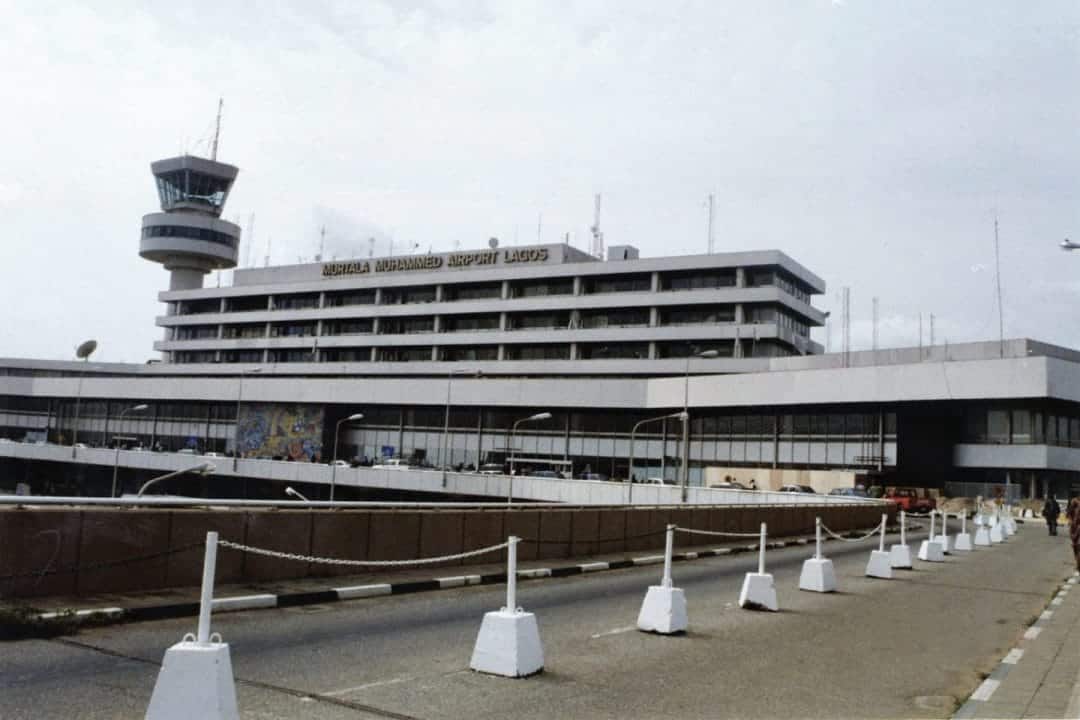
The yuletide airfare surge in Nigeria has sparked outrage as domestic flight prices hit record highs. Explore the underlying causes, potential solutions, and passenger reactions to this aviation crisis in this in-depth analysis.
LAGOS, Nigeria — The holiday season, often heralded as a time of joy and reunion for families, is rapidly becoming a season of financial despair for many Nigerians. This year, the South-East and South-South regions of Nigeria face an unprecedented challenge: airfares have skyrocketed to an eye-watering N287,800 for one-way tickets, a figure that sends shockwaves through both travellers and economic analysts alike. This alarming trend, rooted in complex economic challenges, has transformed what should be a time of festivity into one fraught with financial strain and logistical nightmares.
The Shocking Price Surge
A cursory glance at flight booking platforms reveals an unsettling reality. Airlines such as Air Peace have catapulted their prices far beyond the reach of the average Nigerian. A one-way economy ticket from Lagos to Asaba, which cost N97,400 on December 5, will now cost a staggering N287,800 by December 18. Similarly, flights from Abuja to Asaba saw a jump from N95,400 to N285,800 within the same timeframe. These price hikes represent over a 100% increase, a trend mirrored across multiple destinations in the South-East and South-South regions.
Further checks reveal that Air Peace has maintained a particularly aggressive pricing strategy, with fares from Lagos to Anambra spiking from N114,400 to an astonishing N381,100 by December 17. Even a modest route like Lagos to Port Harcourt is not spared, with fares rising from N95,400 to N285,800 by December 19. Competitor airlines like Ibom Air and ValueJet have followed suit, albeit with slightly less dramatic increases.
The Socioeconomic Implications
The financial implications of these price hikes are profound. For many Nigerians, particularly those with large families, traveling during the yuletide has become an unattainable luxury. Mrs. Nkechi Joshua, a mother of four, lamented the impossibility of spending over N1.4 million on airfare just to visit her hometown of Owerri. Her decision to remain in Lagos this year reflects a broader trend among middle-class and lower-income Nigerians who are forced to forego cherished holiday traditions.
For travellers who opt out of air travel, the alternative—Nigeria’s perilous road network—offers little comfort. The risk of kidnapping, armed robbery, and the poor state of the country’s highways render this option equally unattractive, if not outright dangerous. Consequently, the exorbitant airfares not only limit mobility but also exacerbate regional economic disparities by restricting access to business and social opportunities during the critical holiday season.
Aviation Industry Dynamics
The surge in airfares cannot be viewed in isolation; it is symptomatic of broader economic challenges plaguing Nigeria’s aviation sector. The industry has been battered by rising operational costs, driven by the devaluation of the naira, soaring aviation fuel prices, and the persistent burden of foreign exchange scarcity. Airlines argue that the fare hikes are necessary to cover these escalating costs, but critics contend that the price gouging during peak travel seasons represents an exploitative business practice.
A notable exception is Aero Contractors, which recently announced a reduction in ticket prices to an average of N80,000 for domestic flights. The airline’s Managing Director, Ado Sanusi, stated that this gesture was aimed at easing the financial burden on passengers during the yuletide. While this move has been lauded as commendable, it raises questions about the pricing strategies of other airlines and the regulatory oversight—or lack thereof—within the sector.
Regulatory and Governmental Response
Despite the cries for intervention from affected passengers, the Federal Government and relevant aviation authorities have largely remained silent. This inaction has fuelled public outrage, with many questioning whether regulatory bodies such as the Nigerian Civil Aviation Authority (NCAA) have abandoned their mandate to protect consumer rights. The absence of a coordinated policy to address airfare inflation undermines public confidence and risks further alienating citizens from essential services.
A Looming Economic Crisis?
As the yuletide approaches, the soaring airfares risk creating a ripple effect across Nigeria’s economy. The restricted mobility of people and goods between regions will undoubtedly impact local economies in the South-East and South-South, regions heavily reliant on holiday spending to boost commerce. Moreover, the psychological toll on families separated by insurmountable financial barriers threatens to dampen the collective holiday spirit, leaving a sour taste in what should be a season of celebration.
The narrative of yuletide travel in Nigeria this year is one of hardship and frustration, a stark departure from the joyous reunions of years past. The sharp increase in airfares is not just a logistical inconvenience; it is a symptom of deeper systemic failures within Nigeria’s economic and regulatory frameworks. Unless swift and decisive action is taken, the festive season risks becoming yet another casualty of Nigeria’s enduring economic malaise.
Yuletide Airfare Surge: A Looming Crisis in Nigeria’s Aviation Sector
The exorbitant rise in airfare prices during the yuletide season has drawn sharp criticism from passengers and industry watchers alike. The South-East and South-South regions, hubs of familial festivities during the holiday period, have become the epicentre of what many are calling a blatant exploitation of consumer demand. With one-way tickets peaking at over ₦287,800, the disparity between air travel affordability and the financial realities of everyday Nigerians has sparked widespread outrage.

An Unprecedented Surge: Beyond the Norm
While airfare hikes during festive seasons are a predictable trend globally, the scale of increases in Nigeria’s domestic aviation market this year is unprecedented. Historically, a 30–50% hike in prices during the yuletide rush has been considered the norm. However, with some routes witnessing over 100% increases, the situation this season has crossed into alarming territory.
Take, for instance, the Lagos-Asaba route operated by Air Peace. As of early December, the fare was ₦97,400, but this has skyrocketed to ₦287,800 by mid-December—a figure that exceeds the monthly minimum wage for most Nigerians by over 700%. Similarly, routes from Abuja to destinations like Enugu, Owerri, and Port Harcourt have also seen similar surges, pricing out the average middle-class family.
Passengers have expressed their dismay, with some accusing airlines of taking undue advantage of the season’s high demand. Many claim that such drastic price increases are exploitative and show a lack of empathy towards the socio-economic struggles of ordinary Nigerians.
Economic Realities Fuelling the Crisis
A deeper analysis reveals that Nigeria’s fragile economy is a significant contributor to the fare hikes. Airlines have cited the rising cost of aviation fuel (Jet A1), fluctuating exchange rates, and increasing operational costs as justifications for the price adjustments.
The cost of aviation fuel, which constitutes over 40% of an airline’s operating expenses, has more than doubled in the last year. Coupled with the naira’s depreciation against the dollar, airlines are facing mounting financial pressures. These challenges are not unique to Nigeria; however, the absence of stringent regulatory oversight exacerbates the situation locally.
Additionally, the limited number of operators servicing key routes in the South-East and South-South regions has resulted in reduced competition, allowing airlines to set prices with minimal checks. The lack of alternative travel options further compounds the problem, forcing passengers to either pay the exorbitant fares or forego their travel plans altogether.
A Call for Regulatory Intervention
The Nigerian Civil Aviation Authority (NCAA), tasked with regulating the aviation industry, has been conspicuously silent on the issue. Critics argue that the NCAA’s laissez-faire approach has emboldened airlines to act with impunity.
Aviation expert and economist Dr. Felix Okwudili criticised the NCAA’s apparent inaction, stating, “The NCAA must step in to establish fare caps during peak seasons. What we are witnessing is daylight robbery under the guise of market dynamics. Without regulatory intervention, this pattern will only worsen, further alienating average Nigerians from air travel.”
Calls for the Federal Government to intervene have also gained momentum. Passengers and civil society organisations have demanded immediate action to mitigate the financial burden on travellers. They argue that while airlines have a right to profitability, this should not come at the expense of ethical business practices and affordability.
Aero Contractors: A Rare Bright Spot
Amidst the chaos, Aero Contractors has emerged as a beacon of hope for beleaguered travellers. The airline recently announced a ₦80,000 flat rate for its domestic flights—a move that has been widely lauded as both customer-friendly and socially responsible.
Aero Contractors Managing Director, Ado Sanusi, explained the rationale behind the decision, saying, “This is our way of appreciating our loyal customers during these challenging times. While profitability is important, we believe that empathy and responsibility are equally vital in sustaining a long-term relationship with our customers.”
Sanusi’s move has garnered widespread praise, with many urging other airlines to follow suit. However, skeptics question the sustainability of such a pricing model, given the high operational costs in the sector.
The Ripple Effects on Road Transportation
The ripple effects of the airfare hikes have spilled over into the road transportation sector. With many travellers unable to afford the new airfares, road transport operators are witnessing a surge in demand.
Interestingly, despite the increased patronage, road transport fares have remained relatively stable, with trips from Abuja to key South-East cities like Enugu and Owerri averaging between ₦12,000 and ₦25,000. Transport operators have indicated that fare increases will depend largely on fuel prices, which have remained steady for now.
However, safety concerns continue to plague road travel, with many passengers expressing fears over kidnapping, armed robbery, and poor road conditions. For families like Nkechi Joshua’s, the decision to avoid road travel is not just about convenience but also about survival.
The Bigger Picture: What Lies Ahead?
The current crisis in Nigeria’s aviation sector is a symptom of broader systemic challenges. From inadequate infrastructure and poor regulatory oversight to economic instability and high operational costs, the issues plaguing the sector are multifaceted.
The lack of a comprehensive national transportation policy further complicates matters. While the Federal Government has made some attempts to address these challenges, such as the introduction of a revised Civil Aviation Policy, implementation has been slow and inconsistent.
As the yuletide approaches, the plight of travellers underscores the urgent need for systemic reforms in Nigeria’s aviation industry. Without decisive action, the growing disconnect between airlines and passengers will only deepen, leaving air travel as an exclusive luxury rather than a public service.
Yuletide Airfare Surge: A Looming Crisis in Nigeria’s Aviation Sector
Long-Term Solutions: Beyond the Festive Crisis
The yuletide airfare surge is not an isolated phenomenon but a reflection of deep-seated issues within Nigeria’s aviation industry. Addressing this recurring problem requires a multifaceted approach involving policy reform, infrastructure investment, and increased competition.
1. Strengthening Regulatory Oversight
One of the most critical steps is for the Nigerian Civil Aviation Authority (NCAA) to assert its regulatory authority. While airlines operate within the bounds of free-market principles, unchecked pricing mechanisms during peak seasons risk alienating consumers.
Experts have recommended implementing seasonal fare caps, which would limit how much airlines can charge during high-demand periods without stifling competition. Such caps could be tied to the inflation rate or average operational costs, ensuring fairness for both consumers and airlines.
Additionally, transparency in fare structuring is essential. Airlines must be mandated to provide detailed breakdowns of their pricing, including taxes, surcharges, and base fares. This transparency will help rebuild trust and curb perceptions of exploitation.
2. Revamping the Aviation Fuel Supply Chain
The erratic cost of Jet A1 fuel remains a significant driver of high airfares. Addressing this issue requires concerted efforts from the government and industry stakeholders.
Investing in local refining capacity for aviation fuel could significantly reduce dependency on imports, thereby insulating the sector from exchange rate volatility. Collaboration with the Nigerian National Petroleum Corporation Limited (NNPCL) and private investors to establish dedicated aviation fuel refineries would be a game-changer.
Furthermore, ensuring efficient distribution channels and reducing logistical bottlenecks can stabilize fuel prices, easing the financial burden on airlines.
3. Encouraging New Market Entrants
The dominance of a few airlines on key domestic routes has led to a quasi-monopolistic pricing system. To break this cycle, policies that incentivise new entrants into the aviation sector must be prioritised.
Tax holidays, subsidised aviation fuel, and streamlined licensing processes could attract more players into the market. Increased competition would naturally drive down prices, making air travel more accessible to the average Nigerian.
4. Developing Alternative Transport Infrastructure
The over-reliance on air travel during the festive season highlights a glaring gap in Nigeria’s transportation network. Developing alternative options, such as high-speed rail systems and improved road networks, would alleviate pressure on the aviation sector.
The proposed Lagos-Calabar Coastal Railway, if completed, could provide a viable alternative for travellers heading to the South-South and South-East regions. Similarly, improving the safety and reliability of existing road networks would encourage more people to consider road travel.
5. Public-Private Partnerships (PPPs)
Given the financial constraints facing the Nigerian government, public-private partnerships could play a pivotal role in addressing infrastructural and operational challenges in the aviation sector.
Airports in key cities like Enugu, Owerri, and Port Harcourt could benefit from PPP models that involve private sector investment in terminal upgrades, runway expansions, and passenger amenities. These upgrades would enhance operational efficiency and reduce delays, indirectly contributing to cost reductions for airlines.
Passenger Sentiments: Voices from the Ground
The yuletide fare surge has sparked heated debates across social media platforms and public forums. Passengers have not minced words in expressing their frustrations, with many accusing the aviation industry of exploiting the season’s high demand.
On X (formerly Twitter), user @IfeomaOkeke vented:
“Airlines in Nigeria have made traveling home for Christmas an impossible dream for many. How do you expect someone to pay nearly ₦300,000 for a one-hour flight?”
Similarly, on Facebook, passenger advocacy groups have called for organised boycotts of airlines with the highest fare increases. These groups argue that collective action is necessary to pressure airlines into adopting fair pricing policies.
However, some travellers have expressed sympathy for the airlines, acknowledging the economic challenges they face. A Reddit user, @FlyRight, noted:
“Yes, the fares are ridiculous, but when you consider the cost of aviation fuel and operational expenses, the airlines are also struggling. The problem is bigger than just fares—it’s systemic.”
The Role of Government and Stakeholders
The Federal Government must take proactive steps to address the root causes of this crisis. While airlines are private entities, the aviation industry is a critical component of national infrastructure, and its accessibility impacts economic productivity and social mobility.
Stakeholders, including the Ministry of Aviation, NNPCL, and private operators, must convene a National Aviation Summit to chart a sustainable course for the sector. This summit should prioritise issues such as fuel supply stabilisation, fare regulation, and infrastructure development.
Charting a New Course: Will Change Come?
The yuletide airfare surge is a symptom of broader systemic inefficiencies that require urgent attention. If left unchecked, these issues will continue to deepen the divide between airlines and passengers, rendering air travel an exclusive privilege rather than a public good.
For Nigeria to achieve a functional and equitable aviation industry, all stakeholders must rise to the occasion. Airlines must balance profitability with social responsibility, regulators must enforce fair practices, and the government must invest in infrastructure and policy reforms.
As the festive season unfolds, passengers remain hopeful for a miracle, but the harsh realities of the current system suggest that long-term solutions are the only way forward. Will 2025 usher in a more passenger-friendly aviation sector, or will the cycle of exploitation and outrage persist? Only time will tell.
Additional report: Taiwo Adebowale and Peter Jene, Atlantic Post Senior Business and National Affairs Correspondents, respectively.