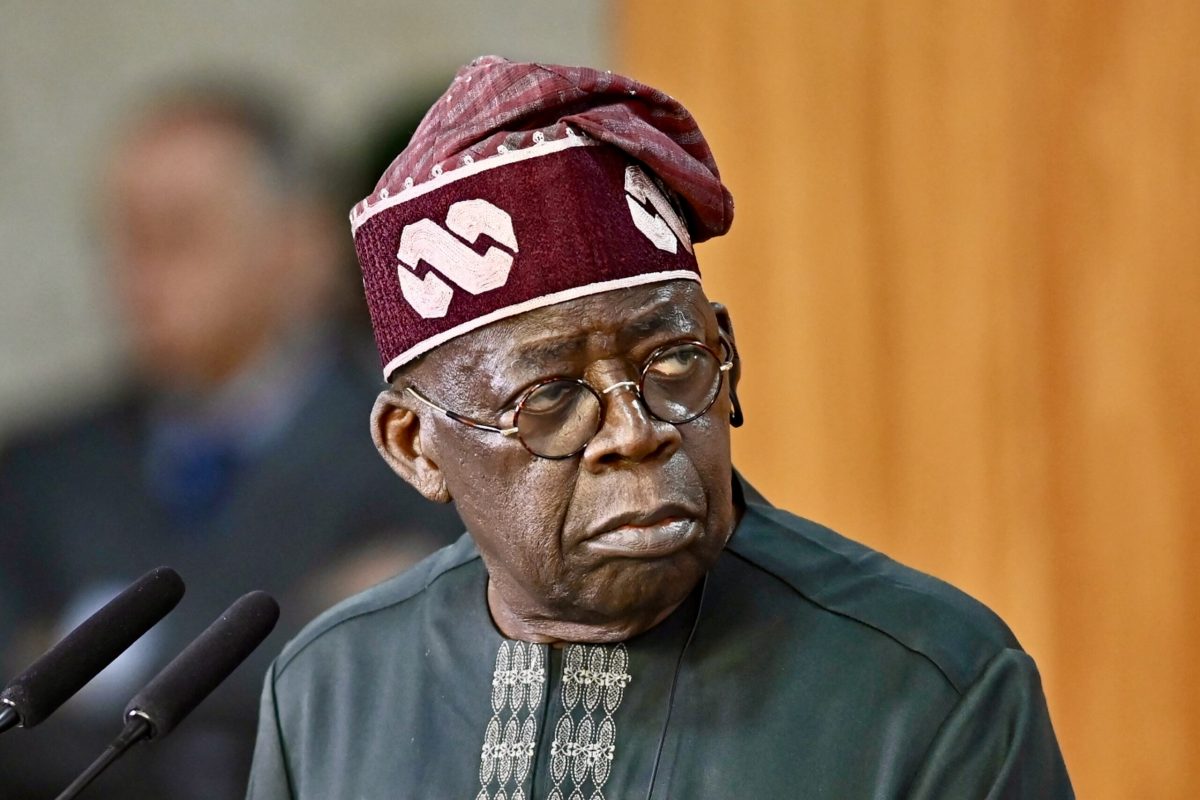
Wike Says Governors Who Criticised Him Are Now in the APC — What It Means for Tinubu and the PDP
Nyesom Wike’s barb at defecting governors at the flag off of the Outer Southern Expressway in Abuja is more than just schadenfreude. It serves as a deeper statement. It goes beyond schadenfreude by exposing a collapsing opposition. It also signals a realignment of power. This realignment will shape the 2027 contest.
The Federal Capital Territory minister told a cheering crowd something noteworthy. Those who accused him of destabilising the Peoples Democratic Party have now joined the All Progressives Congress.
He stated that their arrival in the ruling party proves his critics were right all along. If so, he deserves credit for getting them there.
Wike’s line is theatrical and strategic. This serves as a convenient distraction from the deeper story. There is a steady haemorrhage of governors from the PDP. This is changing the arithmetic of Nigerian politics.
In the last 48 hours, Enugu Governor Peter Mbah formally left the PDP. He joined the APC. He stated that alignment with the centre was essential for his state’s development. The move was followed by Bayelsa Governor Douye Diri’s resignation from the PDP.
The flurry of exits follows earlier defections by governors in Delta and Akwa Ibom. This situation has prompted national headlines about the PDP’s durability.
Wike’s claim that these governors were “heading where they are” because of his manoeuvres is provocative. At face value, it is a calculated move. But it also raises two hard questions.
First, why are governors abandoning an opposition platform built over two decades? Second, is President Bola Tinubu’s administration actually delivering the fiscal incentives it promised?
Are the political incentives making party switching rational for state executives? They need to know how to pay salaries and keep projects moving.
There are numbers behind the talking points. Federal transfers and FAAC disbursements have risen markedly in 2025. This increase gives state treasuries breathing space. It also provides a public talking point for those who support central government policy.
FAAC communiqués and reporting show significantly larger monthly allocations. This is compared with earlier years this administration has been in office.
Analysts note higher cumulative transfers to states in 2025. Governors can point to those figures when they say alignment with the centre brings fiscal relief.
But the fiscal argument is partial. Governors who defect do not simply chase cash. They chase political insulation and freighted promises.
The APC now controls the presidency and increasingly the levers of federal patronage. A governor who wants federal support for large capital projects benefits from being in the same family as the president. This connection reduces friction in relations with MDAs.
Wike’s public praise of President Tinubu’s “decisive leadership” is akin to a political oxygen mask. His contention that states no longer have to “run around banks” is as much an economic claim.
The speed and scale of the defection wave is the real scandal for the PDP. Media tallies vary because the list is changing by the hour.
Some outlets report the opposition down to eight governors after the latest exits. Others count seven, depending on whether very recent announcements are included and how allied lawmakers who switched are aggregated. What is not in dispute is the trend.
Governors who were once cornered in the PDP are embracing the APC in numbers not seen since the party’s rise. That migration reshapes regional coalitions and will complicate the PDP’s task of projecting a credible national alternative ahead of 2027.
The PDP’s defensive posture so far reads like damage control. Party elders travelled to Enugu and Bayelsa to plead with governors. Old loyalties and regional bargains were invoked. But a political culture that prizes power preservation over principle will, in many cases, prove brittle.
Provincial managers of state power perceive their interests aligned with the centre. When this alignment occurs, the party label falls away.
There are risks for the APC too. Rapid absorption of defectors carries the price of incoherence. Many of the governors who have switched bring their local grievances and rival networks. The party that takes them must manage competing patronage demands and reconcile policy differences.
If the APC becomes a catchall of convenience rather than conviction, it weakens internal discipline and invites factionalism.
For Wike himself the spectacle is complicated. He played both inside and outside the PDP for years. He is now a senior minister in the Tinubu government. His gloating is tactical. By claiming credit, he seeks to enhance his relevance. He wants to send a message to any lingering challengers in Rivers State and beyond.
He wants to show that he controls a narrative of inevitability. He is warning would be detractors that the cost of opposition can be social exile. It is classic Wike politics: blunt, theatrical, and ruthlessly effective.
Editors and the public must watch what happens next. They should watch how quickly the defections translate. These defections turn into structural advantages for the APC at the national level.
Governors defecting with state assemblies and local structures can turn a political migration into an organisational and electoral machine. If that happens the PDP faces not merely a leadership crisis but an erosion of its grassroots capacity.
Fact check and conclusion. Wike’s remarks are real and recent, reported at the Abuja road project flag off. Enugu Governor Peter Mbah and Bayelsa Governor Douye Diri have publicly resigned from the PDP in the last 48 hours. Nationwide FAAC receipts for 2025 have risen and are routinely cited by governors as proof of improved state cash flow. The count of PDP governors is fluid and varies by outlet because the wave of exits is ongoing.
Taken together, the facts indicate a political realignment. Political survival and access to federal resources are major factors. The desire to be on the “winning” side is also driving decisions more than ideology.
This is a story of power and place. It is also a story of institutions under strain. The PDP must offer governors a coherent alternative to patronage. It also needs to rebuild trust with voters. Voters look to parties to deliver not only pay cheques but a credible national project.
For now the headlines belong to Wike and the governors who left. The voters will decide whether those headlines mean anything at the ballot box.
Follow us on our broadcast channels today!
- WhatsApp: https://whatsapp.com/channel/0029VawZ8TbDDmFT1a1Syg46
- Telegram: https://t.me/atlanticpostchannel
- Facebook: https://www.messenger.com/channel/atlanticpostng