Bola Ahmed Tinubu to the Armed Forces: Together We Shall Prevail, Your Sacrifice Will Not Be in Vain
ABUJA, Nigeria — President Bola Ahmed Tinubu used an interfaith breaking of fast at the Presidential Villa. He reassured the nation’s soldiers that their sacrifices will not be wasted. He promised fresh investment in equipment, intelligence, and logistics.
The message comes as insurgents strike deeper into Borno State communities, abduct civilians and kill troops, exposing persistent gaps between promises and battlefield realities.
What the statement says and what it does not say
The State House release carries the expected rhetoric of national solidarity.
It praises the “courage, sacrifice and professionalism” of servicemen and women and lists approvals for salary reviews and equipment procurement.
It quotes the president saying the nation is “now out of the dark tunnel.”
That language is important. But a counterterrorism expert would read such assurances against the operational picture on the ground.
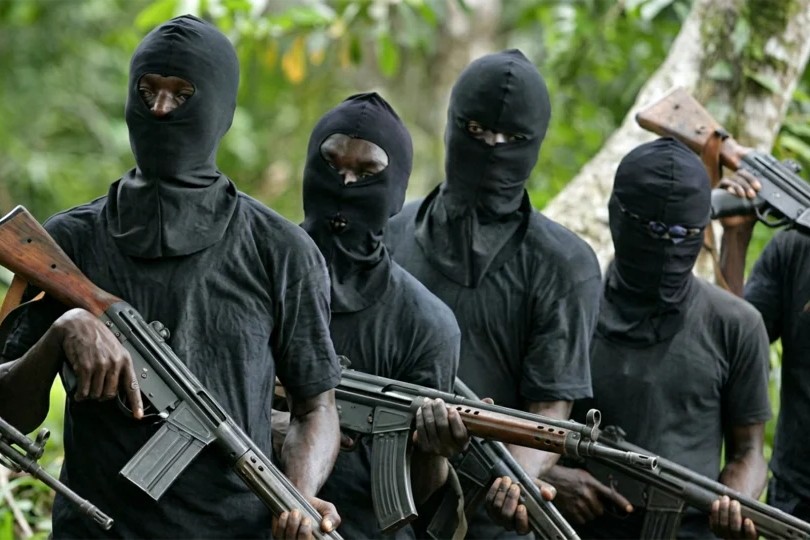
Over the last week militants attacked military positions in Ngoshe and other towns in Gwoza and surrounding districts, killing soldiers and abducting hundreds of civilians.
Those incidents demonstrate that the insurgency can still launch coordinated raids. They can also carry out mass kidnappings and lethal assaults. This happens even as officials claim the group’s capability is waning.
The immediate security picture in Borno
Investigative reporting and security sources confirm multiple recent attacks in Borno in early March 2026. One of the most alarming events was the mass abduction of civilians in Ngoshe. Local officials reported that more than 300 people were seized in a single operation.
Reuters and other outlets report that assault groups also inflicted casualties on Nigerian troops in separate base attacks.
These are not isolated criminal incidents. They reflect organised militant operations that retain local knowledge, mobility and firepower.
Why promises of procurement and salaries are necessary but not sufficient
Upgrading kit and increasing pay are welcome measures. Morale and logistics matter. But counterinsurgency success relies on several elements. These include reliable human intelligence, disciplined joint operations, and secure, motivated logistics chains. Oversight against corruption in procurement is crucial. Coherent civilian protection strategies that keep communities on side are also essential.
Without demonstrable gains in those areas, new vehicles or salary increments will do little to stop mass abductions. They will also do little to prevent bases from being overrun.
Lessons from the last decade in the region show that superior hardware without effective doctrine and community trust is insufficient.
The religious freedom angle the statement avoids
The press statement expresses sympathy for victims and thanks to the forces. It omits a sober reckoning with how state laws and local enforcement can compound the vulnerability of religious minorities.
Twelve northern states in Nigeria have implemented versions of Sharia criminal codes since 1999; some of these include blasphemy provisions.
Human rights bodies have repeatedly warned about the misuse of such laws. These laws can marginalise, prosecute, and in some contexts expose Christians and other minorities to violence.
Any credible security plan must acknowledge how legal and social discrimination fuels grievance and creates protection gaps.
Operational weaknesses the military must urgently fix
From open source reporting and conversations with serving and former officers the gaps are clear.
First, intelligence fusion remains poor. Tactical patrols often lack actionable human intelligence.
Second, base security and rear area protection are weak, enabling raids.
Third, logistics and medical evacuation corridors are fragile.
Fourth, political interference and procurement opacity still slow delivery of dependable equipment.
Finally, community protection mechanisms are not scaled to protect dispersed, vulnerable villages that militants target for abduction and control.
Until reforms address these systemic flaws the narrative of “degrading enemy capability” will be paper thin.
Accountability and the information war
Government press releases are indispensable. However, they require transparent casualty reporting. Independent investigations into base losses and abductions are necessary. There must be a willingness to let neutral observers verify claims.
When official narratives downplay or omit civilian suffering, the state forfeits moral authority. This is especially true when religious persecution is a factor. The strategic coherence is also lost. Independent media,
NGOs and faith groups must be allowed to document abuses and protections for all citizens must be demonstrably equal. These are force multipliers, not optional niceties.
What needs to happen next: a practical checklist
• Public, forensic after action reviews of base attacks with findings published.
• Rapid expansion of human intelligence networks tied to community protection rather than punitive policing.
• Transparent procurement audits to ensure promised kit reaches units and is fit for purpose.
• Integrated civil military plans for protecting vulnerable towns and preventing mass abductions.
• Legal review of state practices that marginalise citizens and create protection gaps, including the impact of blasphemy provisions.
These steps will not be popular at the highest political levels because they require openness and discipline. Without them, proclamations of sacrifice will feel hollow. Declarations of victory will seem empty to those who bury relatives or remain in camps after attacks.
Conclusion. President Bola Ahmed Tinubu’s words to troops are the correct tone for public leadership. Gratitude and support matter.
The proof will lie in measurable reductions in abductions. It will also involve the recapture of liberated communities. Additionally, there must be fair protection for religious minorities. Finally, there should be a demonstrable decline in the militants’ operational tempo.
Until then, there is a gulf between palace rhetoric and the bloodstained roads and camps of Borno. This remains the single greatest threat to national credibility and stability.
Follow us on our broadcast channels today!
- WhatsApp: https://whatsapp.com/channel/0029VawZ8TbDDmFT1a1Syg46
- Telegram: https://t.me/atlanticpostchannel
- Facebook: https://www.messenger.com/channel/atlanticpostng