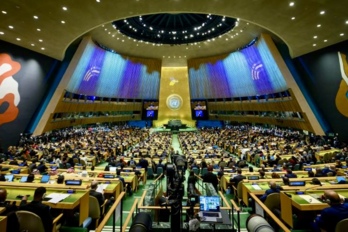
ABUJA, Nigeria — Nigeria’s worsening insecurity has now been pushed onto the global diplomatic stage after the Socio-Economic Rights and Accountability Project urged United Nations Secretary-General António Guterres to invoke Article 99 of the UN Charter and refer the country’s crisis to the Security Council.
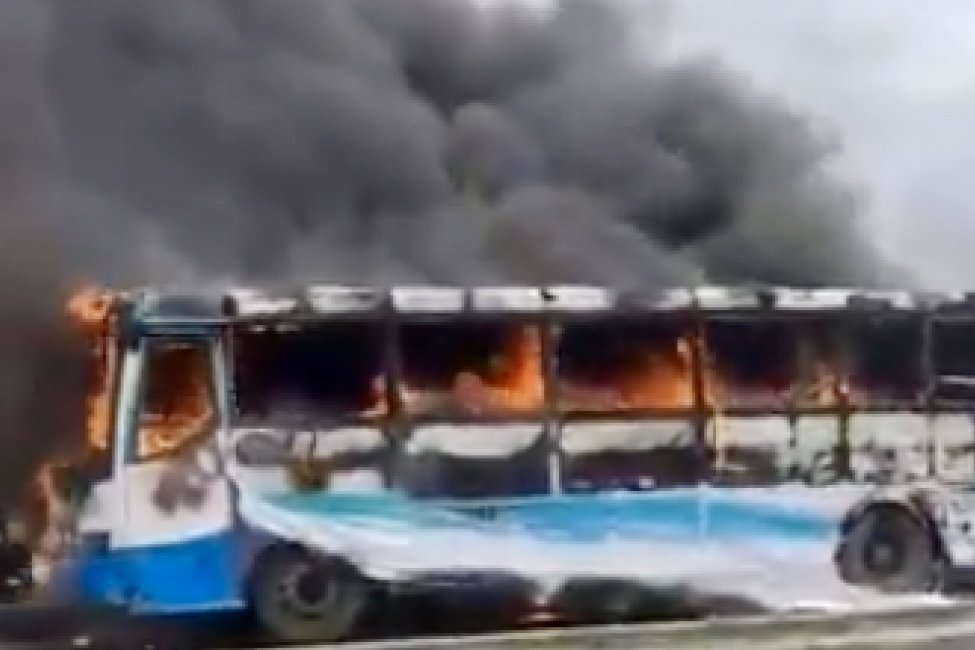
In an open letter dated 30 May 2026 and signed by its deputy director, Kolawole Oluwadare, SERAP said Nigeria’s “escalating insecurity” is marked by mass abductions, killings, attacks on civilians and mass displacement, warning that the crisis has crossed the line from a domestic policing failure into a threat with international consequences.
That legal hook matters. Article 99 gives the Secretary-General the power to bring to the Security Council any matter “which in his opinion may threaten the maintenance of international peace and security”.
It is a rare instrument, but not a theoretical one. Guterres used it in December 2023 over Gaza, telling the Council that the war “may aggravate existing threats” to peace and security, and calling for urgent action as the humanitarian system neared collapse.
SERAP is now arguing that Nigeria’s violence has reached a comparable level of alarm, at least in terms of the risk to civilians and the spillover effects across the region.
The rights group’s case is anchored in a grim run of attacks that have kept communities in fear. One of the most shocking incidents came in Oyo State, where Reuters reported that gunmen abducted at least 39 schoolchildren and seven teachers in Ahoro Esinele community in Oriire district, killing one teacher in captivity and wounding security operatives during a rescue attempt.
The attack hit multiple schools, including a secondary school and two primary schools, underscoring how even zones once considered relatively safe are now being pulled into Nigeria’s expanding security nightmare.
SERAP also points to the country’s wider bloodshed. In Maiduguri, Reuters reported that suspected suicide bomb attacks killed at least 23 people and injured 108 others, with blasts striking the post office area, the Monday Market and the University of Maiduguri Teaching Hospital. In Adamawa State,
Reuters separately reported that gunmen killed at least 29 people in a community raid, while an earlier February attack in the same state left at least 25 people dead in twin village assaults.
These incidents matter because they show that the threat is not confined to one region or one type of armed actor. It is mutating, spreading and, in some cases, reclaiming territory already scarred by years of war.
The humanitarian backdrop is just as severe. The UN itself warned in May 2026 that nearly one in seven people in Nigeria, about 35 million, are likely to face acute food insecurity during the lean season from June to August.
That warning is important because insecurity is no longer only killing and kidnapping people; it is also starving farms of labour, shutting markets, displacing families and pushing already fragile communities deeper into hunger. In other words, the violence is now feeding a wider crisis of survival.
This is why SERAP’s letter insists that the crisis is “not merely a domestic law-enforcement issue”. The group argues that the effects increasingly implicate regional peace and security through cross-border movement of armed groups and weapons, large-scale displacement, growing instability beyond Nigeria’s borders, and weakening human rights and rule-of-law institutions.
That is a serious allegation, but it is not a fanciful one. Nigeria’s north-east has endured a long insurgency, while the north-west has seen banditry, kidnappings and rural raids; the centre has suffered lethal attacks on villages and farms; and the south-west is now confronting school kidnappings that once seemed unthinkable there.
SERAP is also trying to move the issue from sympathy to compulsion. It wants the Security Council to place Nigeria on its formal agenda, hold public briefings on abductions and humanitarian consequences, and pressure the Tinubu administration to comply with international human rights obligations while providing reparations to victims.
That is a blunt demand, but it reflects a deeper frustration: successive Nigerian governments have promised rescue operations, decisive offensives and renewed coordination, yet the scale of attacks keeps returning in fresh forms.
When a rights group starts asking the UN to treat a member state’s internal violence as an international peace and security question, it is usually because it believes domestic remedies have stopped working.
The political sting is obvious. A referral to the Security Council would not instantly solve Nigeria’s insecurity, and it would not magically disarm bandits, insurgents or kidnappers. But it would publicly elevate the crisis, increase diplomatic pressure on Abuja and challenge the government’s repeated claims that the situation is under control.
For the Tinubu administration, the danger is not only reputational. It is that Nigeria could increasingly be framed, in the world’s most powerful security forum, as a country whose civilian protection failures have become too large to dismiss as local crime.
SERAP’s intervention therefore lands at a moment of maximum embarrassment for the state. The country is facing mass abductions, lethal raids, persistent insurgent violence, deepening hunger and a growing perception that armed groups now set the pace in too many communities.
Whether the UN acts or not, the message from the rights group is unmistakable: Nigeria’s insecurity has become severe enough to demand more than press statements, condolence visits and recycled promises.
It now demands international scrutiny of the kind governments dread, because it asks a brutal question every failing state must eventually face, namely whether it still has effective control over the safety of its own people.
Follow us on our broadcast channels today!
- WhatsApp: https://whatsapp.com/channel/0029VawZ8TbDDmFT1a1Syg46
- Telegram: https://t.me/atlanticpostchannel
- Facebook: https://www.messenger.com/channel/atlanticpostng