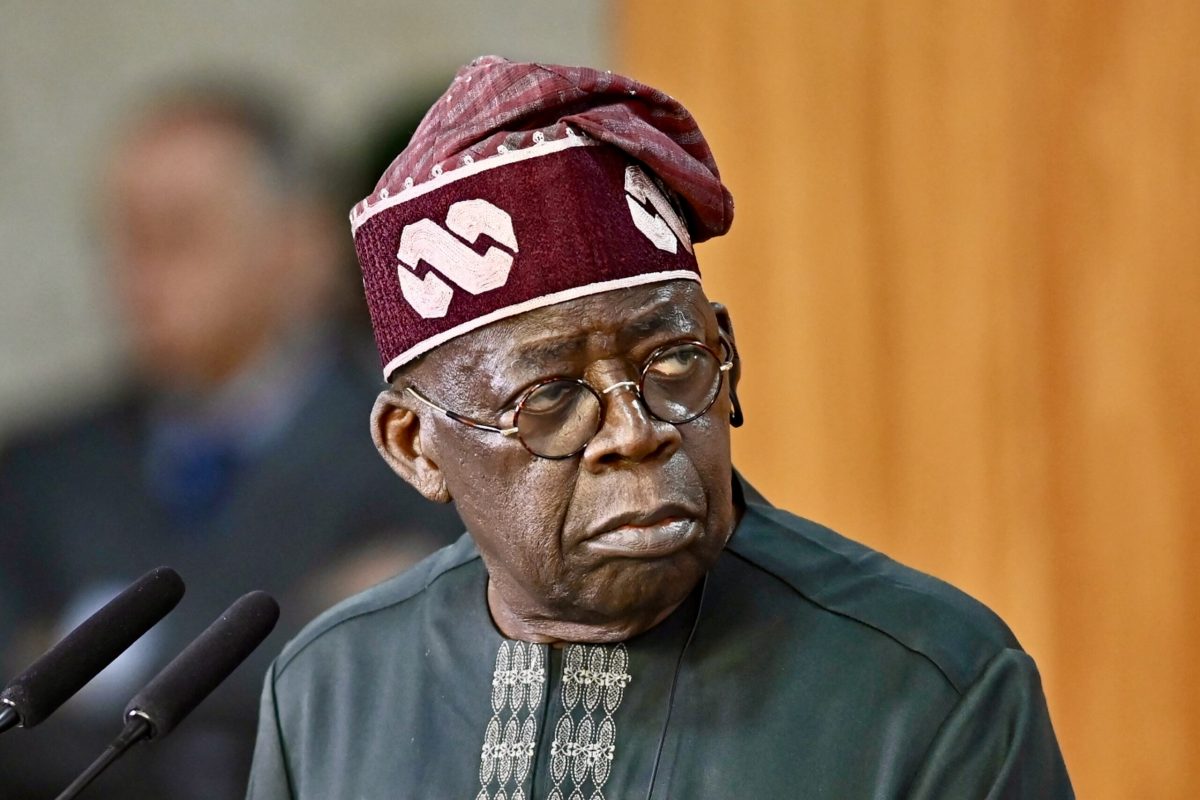
Presidency insists Wale Edun stepped aside on medical grounds, not by force, as Tinubu reshuffles a sensitive cabinet portfolio and Nigeria’s security tension deepens.
ABUJA, Nigeria — President Bola Tinubu’s camp has now firmly framed Wale Edun’s exit from the Federal Executive Council as a voluntary resignation driven by ill health, not a dismissal.
In its latest statement, the State House said the former finance minister “duly tendered his resignation” after “citing health reasons”, and added that he had already been replaced before the announcement was made public.
That clarification matters because the finance ministry sits at the centre of Tinubu’s economic reset, and every change at the top of that machinery is read in Abuja and in the markets as a political signal.
The presidency’s account also attempts to shut down the more dramatic interpretations that quickly spread around the exit.
According to the State House, Edun turned 70, had “battled recent ill health”, and submitted his resignation letter on his birthday, thanking the president for the opportunity to serve.
The official statement says he later paid a valedictory visit to Tinubu at the Villa, held an hour-long discussion, and then left to focus on his private life.
In the letter quoted by the presidency, Edun wrote: “It has been a pleasure and privilege to serve your administration.”
That health-centred explanation is not appearing out of nowhere. Press reports in October 2025 said Edun had travelled to the United Kingdom for medical attention after becoming unwell.
Also, Reuters reported only days ago that he was still publicly carrying Nigeria’s reform message at the IMF and World Bank spring meetings in Washington.
In other words, the presidency is now retrospectively presenting a timeline in which a serious health issue, not a sudden political rupture, explains his departure.
The key political twist is that Tinubu has not merely accepted Edun’s exit; he has already reshaped the finance portfolio around Taiwo Oyedele.
The State House’s current cabinet page lists Oyedele as “Honourable Minister and Coordinating Minister of the Economy” at the Federal Ministry of Finance, while a separate March statement shows he was initially sworn in as Minister of State for Finance.
That means this is not just a replacement story. It is a promotion, a consolidation and, by implication, a deepening of Tinubu’s trust in the tax and fiscal reform technocrat who has become one of the administration’s key economic faces.
That detail is important because Edun had been the public custodian of the administration’s macroeconomic message at a time when Nigeria is still trying to sell its reform agenda to investors, lenders and a sceptical public.
Reuters reported last week that he urged stronger IMF and World Bank backing for developing countries, while warning that the war shock in the Middle East was intensifying inflationary pressure and raising living costs at home.
The finance ministry therefore remains one of the most politically sensitive desks in government, and any change there will be interpreted as a measure of how stable Tinubu’s reform team really is.
That is an editorial inference, but it is one rooted in the fact that Edun was still fronting Nigeria’s external economic case only days before his exit.
The timing also lands against a darker national-security backdrop. Reuters and AP have reported that six former Nigerian security officials are now facing treason and terrorism charges over an alleged plot to overthrow Tinubu’s government, with the men pleading not guilty and the case adjourned to April 27.
The existence of that case does not prove any link to Edun’s illness or resignation, and the presidency has not made such a connection. But it does explain why any mention of health, security or internal pressure around top officials immediately ignites speculation in Abuja.
That is why the State House has been so deliberate in stressing procedure. It says both Edun and former housing minister Ahmed Musa Dangiwa resigned voluntarily, that both thanked the president, and that neither was pushed out.
On the housing side, Tinubu has already named Muttaqha Rabe Darma as nominee, pending Senate confirmation. So, the message from the Villa is clear: this is an orderly cabinet adjustment, not a purge.
Whether the public fully buys that version will depend on how much more clarity the government gives on the health concerns that surrounded Edun for months.
For now, the big takeaway is that Tinubu is trying to control the narrative on three fronts at once: Edun’s health, the continuity of the economic reform agenda and the optics of a cabinet change during a tense political season.
The presidency has chosen to present the finance exit as dignified and voluntary, but the speed with which Oyedele has been elevated, and the sensitivity of the timing, show that this is more than a routine handover. It is a strategic reset at the heart of government.
Follow us on our broadcast channels today!
- WhatsApp: https://whatsapp.com/channel/0029VawZ8TbDDmFT1a1Syg46
- Telegram: https://t.me/atlanticpostchannel
- Facebook: https://www.messenger.com/channel/atlanticpostng