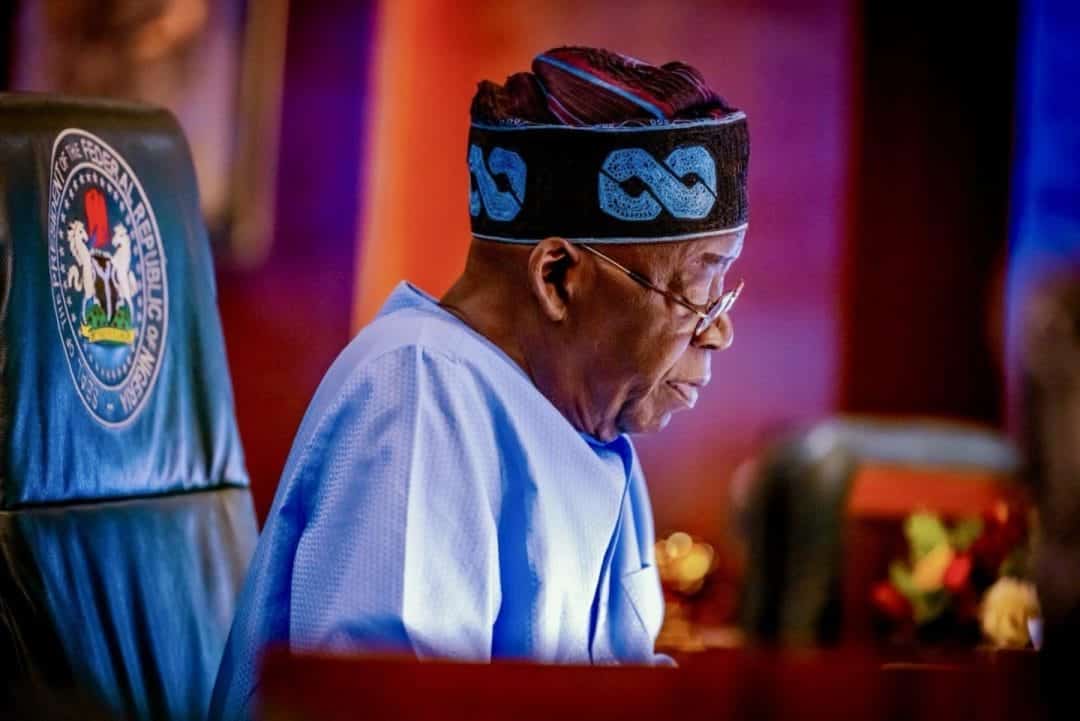
Tinubu’s sweeping appointment of 42 federal board leaders marks a strategic push for reform. Will this bold move transform governance or reignite controversies?
In a significant move that underscores his administration’s commitment to revitalising federal institutions, President Bola Ahmed Tinubu has announced the appointment of board chairpersons for 42 federal organisations, alongside key leadership positions in critical agencies.
This sweeping decision, effective immediately, reflects a strategic effort to infuse these institutions with experienced leadership, aiming to enhance their operational efficiency and align them with the administration’s policy objectives.
A Strategic Overview of the Appointments
The appointments span a diverse array of sectors, including youth development, international affairs, aviation, energy, education, and technology. Notably, President Tinubu has emphasised that the roles of the appointed board chairpersons are non-executive, explicitly directing them to refrain from interfering with the day-to-day management of their respective organizations.
This directive aims to delineate clear boundaries between governance and management, fostering an environment where professional administrators can operate without undue influence, while benefiting from the strategic oversight of seasoned board members.
Key Appointments and Their Implications
- National Youth Service Corps (NYSC), Ministry of Youth DevelopmentHon. Hillard Eta from Cross River State has been appointed as the Chairman of the NYSC. Eta’s political career includes significant roles within the All Progressives Congress (APC), where he has been recognised for his organisational skills and commitment to youth development. His appointment signals a potential reinvigoration of the NYSC, focusing on enhancing the programme’s impact on national unity and youth empowerment.
- Nigerian Institute of International AffairsProfessor Bolaji Akinyemi, a distinguished scholar and former Minister of External Affairs, assumes the role of Chairman. With a rich background in international diplomacy and academia, Professor Akinyemi’s leadership is expected to elevate the institute’s role in shaping Nigeria’s foreign policy and fostering international collaborations.
- Federal Airport Authority of Nigeria, Ministry of AviationThe appointment of H.E. Abdullahi U. Ganduje, APC National Chairman and former Governor of Kano State, as Chairman, brings a wealth of administrative experience to the aviation sector. Ganduje’s tenure as governor was marked by infrastructural developments, and his leadership could herald significant improvements in airport management and aviation infrastructure.
- Nigerian Railway CorporationDr. Kayode Isiak Opeifa from Lagos State has been appointed as the Managing Director. A transportation expert and former Commissioner for Transportation in Lagos State, Dr. Opeifa is renowned for his efforts in traffic management and urban transportation planning. His appointment is anticipated to drive the modernisation of Nigeria’s railway system, enhancing efficiency and expanding rail connectivity across the nation.
- National Board for Technology Incubation (NBTI)Raji Kazeem Kolawole from Oyo State takes on the role of Director-General. With a background in technology and innovation management, Raji’s leadership is expected to bolster the NBTI’s efforts in nurturing startups and promoting technological advancements, contributing to Nigeria’s economic diversification.
Analysing the Appointments: A Blend of Experience and Strategic Vision
A critical analysis of these appointments reveals a deliberate strategy to harness the expertise of seasoned professionals and politicians to steer federal organisations towards achieving the administration’s goals. The inclusion of individuals with diverse backgrounds—ranging from academia and politics to technology and transportation—reflects an understanding of the multifaceted challenges these organisations face.
For instance, the appointment of Professor Bolaji Akinyemi to the Nigerian Institute of International Affairs underscores a commitment to strengthening Nigeria’s diplomatic engagements. His extensive experience in international relations is poised to enhance the institute’s capacity to provide strategic insights into global affairs, thereby informing Nigeria’s foreign policy decisions.
Similarly, Dr. Kayode Opeifa’s leadership at the Nigerian Railway Corporation is timely, considering the pressing need to revitalise the nation’s railway infrastructure. His track record in transportation management suggests a potential overhaul of the railway system, aiming for improved service delivery and expanded networks that could stimulate economic activities across various regions.
Regional Representation and Political Considerations
The appointments also reflect a careful consideration of regional representation, with individuals from various states appointed to key positions. This approach aligns with the much criticised Nigeria’s federal character principle or affirmative action, whose proponents argue that it promotes inclusivity and balanced representation in federal appointments.
However, the selection of prominent political figures, such as H.E. Abdullahi U. Ganduje and Hon. Hillard Eta, has sparked discussions about the politicisation of federal boards. Critics argue that such appointments may prioritise political loyalty over merit, potentially undermining the effectiveness of these organisations.
Proponents, on the other hand, contend that experienced politicians bring valuable governance skills and networks that can enhance the performance of these institutions.
The Directive Against Interference: Ensuring Effective Governance
President Tinubu’s directive for board chairpersons to maintain a non-executive role is a critical measure aimed at preventing administrative bottlenecks and power tussles that have historically plagued federal organizations. By delineating the roles of the board and management, the administration seeks to foster a governance structure where strategic oversight does not encroach upon operational autonomy.
This approach is expected to empower managing directors and director-generals to implement policies and manage day-to-day operations effectively, while the board provides guidance and oversight. The success of this model hinges on adherence to these defined roles and the establishment of clear communication channels between the board and management.

Implications for Policy Implementation and Institutional Performance
The infusion of new leadership into these federal organisations carries significant implications for policy implementation and institutional performance. With clear directives and experienced leadership, these institutions are better positioned to execute government policies effectively, and contribute to national development objectives.
For example, the National Board for Technology Incubation, under the leadership of Raji Kazeem Kolawole, could play a pivotal role in advancing Nigeria’s technology sector. By fostering innovation and supporting startups, the NBTI can contribute to job creation and economic diversification, which aligns with the administration’s economic agenda.
Public Expectations and the Road Ahead
The public’s expectations are high, with citizens anticipating tangible improvements in service delivery and organisational performance. The appointed leaders are now tasked with the responsibility of translating the administration’s vision into actionable strategies that yield measurable outcomes.
The success of these appointments will ultimately depend on the ability of the appointees to deliver measurable results in their respective organisations. Citizens expect innovation, transparency, and accountability, especially in sectors like transportation, youth development, and aviation, which directly impact their daily lives.
The directive against interference must be enforced rigorously to prevent the re-emergence of bureaucratic inefficiencies. Observers argue that regular performance reviews and audits should be conducted to ensure the leadership remains aligned with the administration’s goals.
Furthermore, the administration’s choice of appointees, especially those with political backgrounds, must prove that they are not mere placeholders but active agents of change. Failure to meet these expectations could erode public confidence, not only in the institutions but in President Tinubu’s administration.
Implications for Nigeria’s Global Reputation
Some of these appointments, particularly in international and strategic sectors like the Nigerian Institute of International Affairs, have the potential to elevate Nigeria’s standing on the global stage. If institutions are seen as functional, credible, and innovative, they will attract foreign partnerships, investment opportunities, and strengthen Nigeria’s voice in international forums.
On the contrary, if these appointees fail to rise to the challenge, it could reinforce narratives of ineptitude and deepen global skepticism about Nigeria’s institutional capacity.
Conclusion: The Stakes Are High
President Tinubu’s bold reshuffle represents a decisive moment for federal governance in Nigeria. While the appointments include individuals with diverse expertise and political clout, success will depend on their ability to deliver on the administration’s promises of reform, accountability, and improved service delivery.
The coming months will serve as a critical litmus test for the efficacy of these appointments. Nigerians, as well as the international community, will be closely watching for signs of transformation or continuity of the status quo.
Full List of the 45 Appointments
- National Youth Service Corps (Ministry of Youth Development): Hon. Hillard Eta, Chairman (Cross River)
- Nigerian Institute of International Affairs: Prof. Bolaji Akinyemi, Chairman (Lagos)
- Federal Airport Authority of Nigeria (Ministry of Aviation): H. E. Abdullahi U. Ganduje, Chairman (Kano)
- National Sugar Development Council: Sen. Surajudeen Bashiru Ajibola, Chairman (Osun)
- Nigeria Bulk Electricity Trading Company: H. E. Sulaiman Argungu, Chairman (Kebbi)
- National Agency for Great Green Wall: Sen. Magnus Abe, Chairman (Rivers)
- National Teachers Institute: Barr. Festus Fuanter, Chairman (Plateau)
- National Board for Technology Incubation: Raji, Kazeem Kolawole, Director-General (Oyo)
- Nigerian Institute of Educational Planning and Administration: Chief Victor Tombari Giadom, Chairman (Rivers)
- Teachers Registration Council of Nigeria: Comrade Mustapha Salihu, Chairman (Adamawa)
- Industrial Training Fund: Hon. Hamma Adama Ali Kumo, Chairman (Gombe)
- Nigerian Institute of Science Laboratory Technology: Donatus Enyinnah Nwankpa, Chairman (Abia)
- Sheda Science and Technology Complex: Sen. Abubakar Maikafi, Chairman (Bauchi)
- Federal Mortgage Bank of Nigeria: H. E. Nasiru Gawuna, Chairman (Kano)
- National Office for Technology Acquisition and Promotion: Sen. Tokunbo Afikuyomi, Chairman (Lagos)
- Nigerian Postal Service: Chief D. J. Kekemeke, Chairman (Ondo)
- National Inland Waterways Authority: Hon. Musa Sarkin Adar, Chairman (Sokoto)
- National Steel Council: Prof. Abdulkarim Kana Abubakar, Chairman (Nasarawa)
- National Environmental Standards and Regulations Enforcement Agency: Hon. Garba Datti Muhammad, Chairman (Kaduna)
- National Bio-Safety Management Agency: Mu’azu Bawa Rijau, Chairman (Niger)
- Nigerian Building and Road Research Institute: Hon. Durosimi Meseko, Chairman (Kogi)
- Federal Teaching Hospital, Gombe: Hajia Zainab A. Ibrahim, Chairman (Taraba)
- Nigerian Railway Corporation: Dr. Kayode Isiak Opeifa, Managing Director (Lagos)
- Federal Teaching Hospital, Ido-Ekiti: Aare (Hon.) Durotolu Oyebode Bankole, Chairman (Ogun)
- Federal Medical Centre, Abeokuta: Mr. Abdullahi Dayo Israel, Chairman (Lagos)
- Federal Medical Centre, Asaba: Dr. Mrs. Mary Alile Idele, Chairman (Edo)
- Federal Medical Centre, Lokoja: Nze Chidi Duru (OON), Chairman (Anambra)
- Federal Medical Centre, Owerri: Hon. Emma Eneukwu, Chairman (Enugu)
- Civil Defence, Immigration, and Prisons Services Board: Major Gen. Jubril Abdulmalik (Rtd.), Secretary (Kano)
- Federal Medical Centre, Umuahia: Mr. Uguru Mathew Ofoke, Chairman (Ebonyi)
- Federal Medical Centre, Yenagoa: Barr. Felix Chukwumenoye Morka, Chairman (Delta)
- Federal Medical Centre, Yola: Alh. Bashir Usman Gumel, Chairman (Jigawa)
- David Umahi Federal University Teaching Hospital, Ubuhu, Ebonyi State: Dr. Ijeoma Arodiogbu, Chairman (Imo)
- National Oil Spill Detection and Response Agency: Chief Edward Omo-Erewa, Chairman (Edo)
- Nigerian Maritime Administration and Safety Agency (NIMASA): Yusuf Hamisu Abubakar, Chairman (Kaduna)
- Nnamdi Azikiwe University Teaching Hospital, Nnewi, Anambra State: Hon. Ali Bukar Dalori, Chairman (Borno)
- Ahmadu Bello University Teaching Hospital, Shika, Zaria, Kaduna State: Hon. Lawal M. Liman, Chairman
- Federal Medical Centre, Katsina: Dr. Abubakar Isa Maiha, Chairman
- Raw Materials Research and Development Council (RMRDC): Isa Sadiq Achida, Chairman (Sokoto)
- Federal Medical Centre, Birnin Kudu: Dr. Mohammed Gusau Hassan, Chairman (Zamfara)
- National Building and Road Research Institute: Hon. Yahuza Ado Inuwa, Chairman (Nasarawa)
- Sokoto-Rima River Basin Development Authority: Amb. Abubakar Shehu Wurno, Chairman (Sokoto)
- Aminu Kano Teaching Hospital: Augustine Chukwu Umahi, Chairman (Ebonyi)
- Federal Scholarship Board: Engr. Babatunde Fakoyede, Chairman (Ekiti)
- Nigerian Social Insurance Trust Fund: Hon. Shola Olofin, Chairman (Ekiti)
Additional report by Osaigbovo Okungbowa
Atlantic Post Senior Political Correspondent