By Osaigbovo Okungbowa
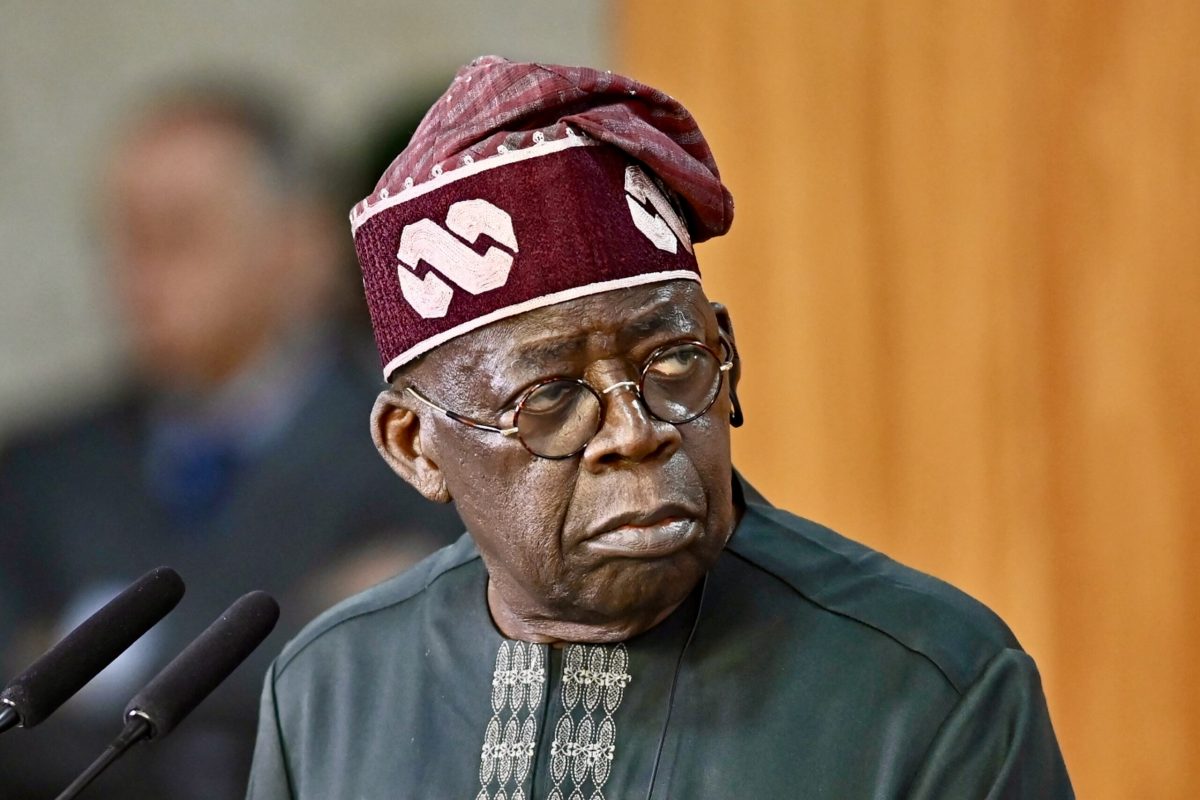
President Bola Ahmed Tinubu used Thursday’s Federal Executive Council sitting to cast his administration as both a bulwark against violent extremism and an interlocutor for Nigeria on the world stage.
He told ministers the Renewed Hope agenda remains the compass for restoring security and attracting investment, and he pledged renewed diplomatic outreach after a fraught spat with Washington.
Tinubu’s remarks arrive at a combustible moment in Nigeria’s foreign relations. In early November 2025 the United States moved to designate Nigeria a “Country of Particular Concern” under the International Religious Freedom Act — a formal label that, in the most severe cases, can lead to sanctions or restrictions on bilateral assistance.
The decision was followed by unusually stark public commentary from President Donald Trump and allied voices in Washington threatening measures that range from curtailing aid to possible military options if alleged abuses are not addressed. The designation has been publicly condemned in Abuja as a misrepresentation of Nigeria’s security reality.
Fact check and fiscal signal
Tinubu cited economic wins alongside security pledges, noting the success of the government’s return to the international debt market and a heavily subscribed Eurobond as tangible proof of market confidence.
Nigeria’s Debt Management Office and international reporting confirm the federal government priced and placed a dual-tranche Eurobond raising roughly $2.35bn, an issuance that drew investor demand well above the offer and was priced below some initial expectations.
That market reception, however, sits uneasily beside diplomatic strain — investors often price risk in real time, but geopolitical shocks can still unsettle markets and alter borrowing costs swiftly.
Security claims, numbers and contestations
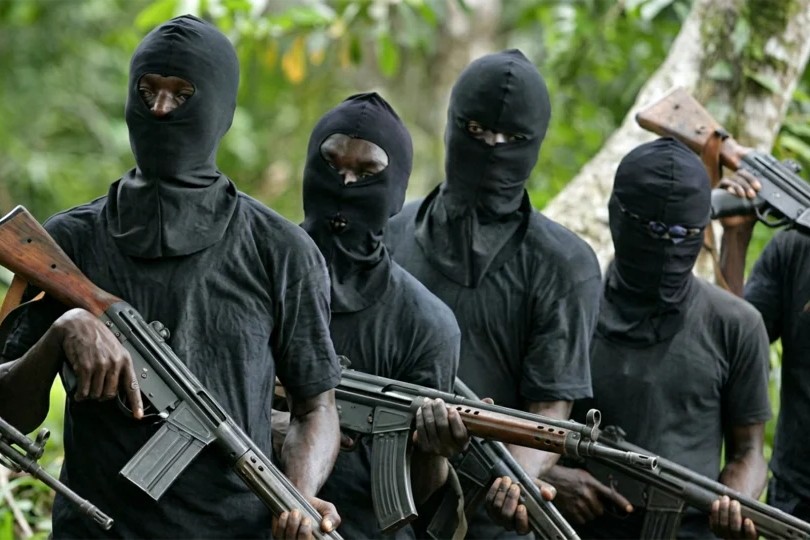
Abuja has vigorously rejected the US administration’s framing of violence in Nigeria as targeted religious persecution and has sought to reframe the narrative as a fight against terrorism that cuts across communities. In official rebuttals the federal government has cited counter-terror operations and sizable security statistics — including figures for militants neutralised, arrests and hostages rescued — as evidence of progress.
These numbers have been repeated in government briefings but remain politically contested and require independent verification. International monitors and rights groups continue to document patterns of violence and failures of protection across several regions of Nigeria, while also highlighting the complexity of communal, criminal and extremist drivers.
Historical and legal context
The “Country of Particular Concern” designation is not new as an instrument: it stems from the 1998 International Religious Freedom Act and has in past years been applied to states whose governments the US determines are responsible for systematic, ongoing, egregious violations of religious freedom.
The measure is as much political as it is legal, and its application has in other cases led to sustained diplomatic friction between capitals. Washington’s decision to relist Nigeria (and the accompanying rhetoric) therefore carries both legal implications and substantial foreign-policy symbolism that may complicate cooperation on counter-terrorism, intelligence sharing and development assistance.
What this means going forward
From an investigative vantage the unfolding episode exposes three tensions.
First, the domestic political imperative to show progress against insecurity — an imperative the Tinubu administration invokes frequently — must be balanced against transparent, verifiable accounting of outcomes and civilian harm.
Second, the apparent investor appetite demonstrated by the Eurobond sale should not be conflated with diplomatic immunity: capital flows and credit markets can be dislocated by sudden policy shifts or security shocks.
Third, heavy-handed external rhetoric, whether framed as moral pressure or threat, risks alienating a sovereign government and could drive bilateral dialogue into transactional or coercive terrain rather than cooperative problem-solving.
For international law and policy watchers the test will be whether Nigeria’s government accepts independent verification mechanisms, pursues accountable reforms in security sector conduct, and engages partners in ways that reduce both impunity and international mistrust.
For Abuja, strong words about crushing terrorism must soon be matched by transparent metrics, credible protections for civilians of all faiths, and sustained outreach that replaces brinkmanship with practical security partnerships.
Follow us on our broadcast channels today!
- WhatsApp: https://whatsapp.com/channel/0029VawZ8TbDDmFT1a1Syg46
- Telegram: https://t.me/atlanticpostchannel
- Facebook: https://www.messenger.com/channel/atlanticpostng