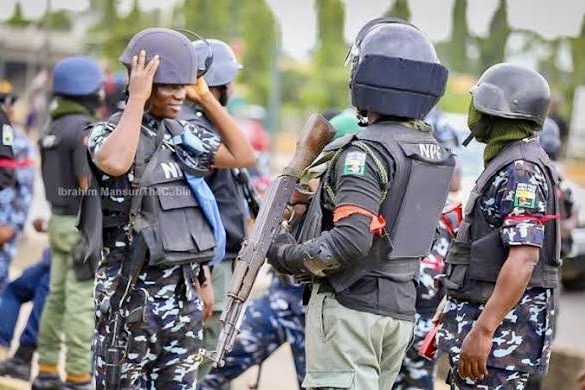
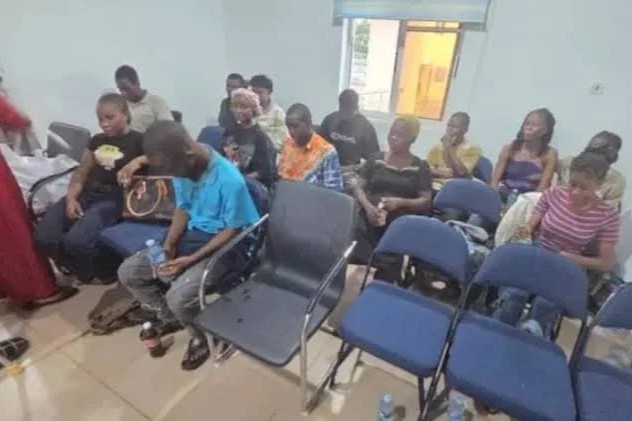
President Bola Tinubu has dispatched Vice President Kashim Shettima to Kebbi State after armed men abducted 25 girls from a boarding school in Maga.
The State House statement formally announcing the assignment was published on 18 November 2025 and urges local cooperation with security agencies while offering condolences over the death of a senior brigade commander killed in action.
The facts are stark and immediate. Gunmen arrived before dawn, overwhelmed school security, killed at least one staff member and seized scores of pupils who were sleeping in their dormitories.
Security forces and local hunters have launched a manhunt, and one or two pupils have escaped, but 25 girls remain missing as the search continues. These details have been confirmed by multiple international wire services and Nigerian outlets.
This latest raid must be seen in context. Kidnappings of schoolchildren are not an isolated pattern distant from the State House briefing. Since 2014 more than a thousand schoolchildren have been abducted in Nigeria in incidents that include Chibok, Dapchi and many lesser known raids.
Each episode has exposed persistent failures of prevention and protection. The Chibok abduction of 2014 remains the defining reminder of how porous school security and state response can be.
The same week the Tinubu statement urged citizens to provide intelligence the country learned that Brigadier General Musa Uba, commander of a task force in the north east, was killed in an ambush while on patrol.
Military sources and reputable news organisations report that General Uba was captured during clashes with ISWAP fighters and later killed. The loss of a senior commander underlines how the state is simultaneously prosecuting a war it cannot always control and mourning leadership failures on the battlefield.
A conservative reading of the evidence requires us to reject the easy official framing that these attacks are merely criminality or communal squabbles. For years international monitors and independent analysts have documented patterns that point beyond garden variety banditry.
Genocide Watch and other monitoring organisations have warned that violence in Nigeria has taken on genocidal or ethnic cleansing characteristics in some theatres and that religiously or ethnically selective violence is growing in frequency and brutality.
These are not academic labels. They signal patterns that demand transparent investigation not platitudes about community cooperation.
Data from conflict trackers further complicates the government narrative. ACLED and other datasets chart a long term rise in political violence and civilian targeting across the country. Between jihadist insurgency in the north east and expanding bandit fronts in the north west civilians have borne the brunt. ACLED reports thousands of fatalities from targeted political violence since 2009 a figure that includes Christians and Muslims but which also shows a worrying increase in attacks that appear to target religious communities and institutions. Those patterns matter when schools and churches are repeatedly struck.
There are four uncomfortable conclusions for policymakers and for President Tinubu as he sends his vice president and offers public reassurance.
First, the State House and the security apparatus must demonstrate competence rather than call for civic goodwill alone. Appeals for citizens to share intelligence are reasonable but hollow if communities believe information vanishes into bureaucratic silence.
Second the persistent pattern of school abductions indicates systemic failures in defence and intelligence in zones that have long been flagged as vulnerable.
Third the repeated targeting of places of education in regions with significant Christian populations necessitates impartial investigation into intent and motive not reflexive denial.
And fourth the death of General Uba is a reminder that the security forces are stretched and must be enabled to act decisively under clear rules of engagement and with accountable oversight.
Families in Kebbi deserve action and evidence of progress not reassurance framed as a press release. If the Tinubu administration means what it says when it promises the quick release of the girls then it must move beyond statements.
It must deploy coherent rescue plans, coordinate with regional and international partners, and open its records to independent scrutiny so Nigerians can see what is being done and whether the measures are effective.
Finally there must be honesty about the nature of the threat. When attacks repeatedly strike schools, churches and villages tied to particular communities the state cannot hide behind the tired language of criminality.
A robust conservative case for law and order demands precision in naming the danger and discipline in confronting it. Anything less compounds grief and corrodes the moral authority of government to claim it protects all citizens equally. The families waiting in Kebbi merit nothing less.
Follow us on our broadcast channels today!
- WhatsApp: https://whatsapp.com/channel/0029VawZ8TbDDmFT1a1Syg46
- Telegram: https://t.me/atlanticpostchannel
- Facebook: https://www.messenger.com/channel/atlanticpostng