By Editor
Introduction: A New Dawn or Same Old Promises?
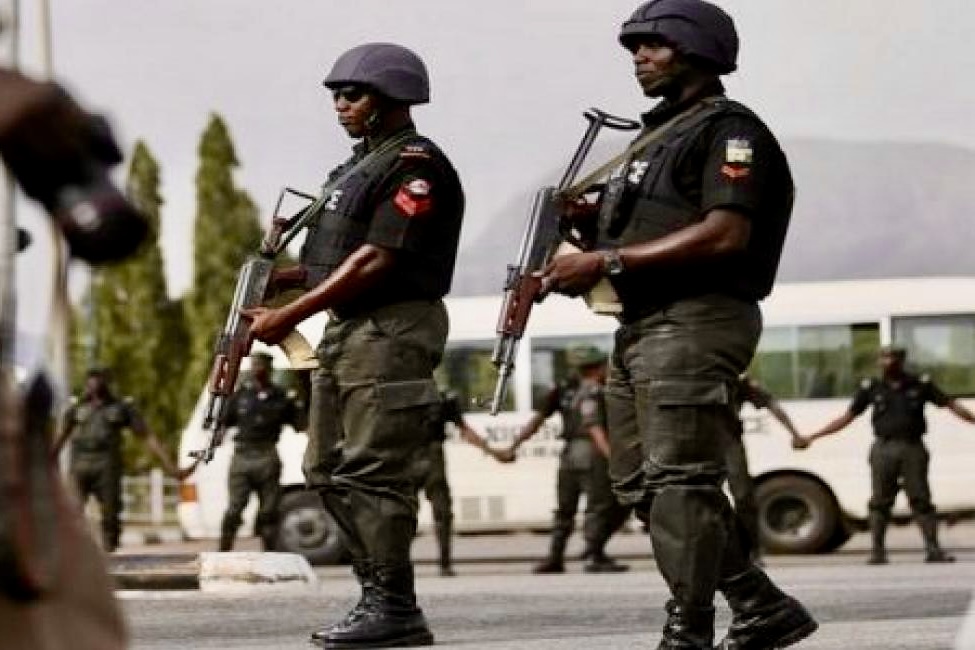
On Thursday night, Nigeria’s Minister of Defence, Mohammed Abubakar, in a move that is both significant and controversial, reiterated the Federal Government’s resolute determination to tackle banditry and insecurity plaguing the Northwest. His visit to Kaduna, where he met with Governor Uba Sani, was seen by many as a critical turning point. But beneath the bold rhetoric lies a haunting question: Will this new approach, driven by the forthcoming ‘Operation Fansan Yamma,’ succeed where previous initiatives have failed?

The promises made by the Minister—establishing a Command and Control Centre in the Northwest, launching a military theatre command, and collaborating with neighbouring countries such as Niger to fight arms trafficking and terrorism—sound monumental on paper. However, for a region that has endured years of bloodshed, displacement, and economic collapse, these proclamations risk being perceived as yet another round of government lip service unless immediate and concrete results follow.
As we delve into the details of the Minister’s announcement, the broader context of insecurity in the Northwest, and the political and socioeconomic implications, one must critically assess whether the government’s actions can truly address the complexities of the region’s suffering. Is this just political theatre, or is Nigeria on the cusp of real change?
The Situation on the Ground: A Region Held Hostage by Terror
The Northwest region of Nigeria has been an epicentre of terror for years, with banditry, terrorism, kidnapping, and armed militancy transforming it into a theatre of violence. States such as Kaduna, Zamfara, Sokoto, and Katsina have borne the brunt of these crimes, leading to mass displacement of people, destruction of farmland, and an increase in poverty and food insecurity.
Governor Uba Sani, during his interaction with Defence Minister Abubakar, painted a grim picture of the situation. He described the Northwest as the “food basket of Nigeria,” which has now been brought to its knees by criminals with “scant regard for human life and dignity.” His description speaks volumes about the depth of the crisis: families torn apart by kidnappings, children out of school, and a rural economy on the verge of collapse.
Insecurity in the region has not only led to immense human suffering but has severely hampered economic activities. Agricultural output in the Northwest, a region responsible for a significant portion of Nigeria’s food production, has dwindled drastically. Farmers have been displaced from their land, communities have been terrorised, and market activities have been disrupted.
But it is not just local terror that the region contends with. Cross-border terrorism, particularly the movement of armed groups between Nigeria and Niger, complicates the security situation. Minister Abubakar’s emphasis on collaborating with Niger Republic to combat arms trafficking and terrorism underscores the regional dimension of the crisis. Still, questions remain about whether this cooperation will be robust enough to address the deep-rooted problems that straddle international borders.
‘Operation Fansan Yamma’: A Game-Changer or More of the Same?
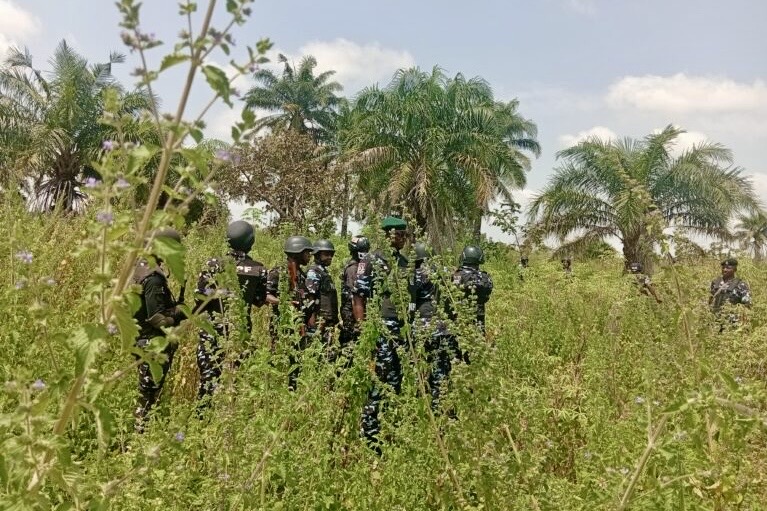
At the core of the Federal Government’s renewed efforts is the planned launch of ‘Operation Fansan Yamma,’ a joint military theatre command that aims to tackle insecurity in the Northwest. According to Minister Abubakar, the establishment of a Command and Control Centre in the region is a “crucial step” towards eliminating banditry and restoring peace.
On the surface, the plan seems well thought out. A Command and Control Centre would allow for better coordination among military units operating in the Northwest. It would serve as a hub for intelligence sharing, operational planning, and real-time response to security threats. This move is long overdue, given that the region has suffered from a lack of coordinated military presence, with multiple security agencies operating independently, often leading to overlaps and operational inefficiencies.
But the devil is in the details. Nigeria has seen similar initiatives in the past, with little to show for them. ‘Operation Lafiya Dole,’ launched to combat Boko Haram in the Northeast, is a glaring example. Despite initial successes, Boko Haram continues to pose a significant threat, and the insurgency has morphed into a more complex conflict involving splinter groups like ISWAP. Will ‘Operation Fansan Yamma’ suffer the same fate, or can it succeed where others have faltered?
Furthermore, Minister Abubakar’s pledge to establish the Command and Control Centre comes amid growing concerns about the Nigerian military’s capacity to handle multiple fronts. The military is already stretched thin, dealing with insurgencies in the Northeast, separatist movements in the Southeast, and violent militancy in the oil-rich Niger Delta. Can the government afford to divert significant resources and personnel to the Northwest without compromising security in other volatile regions?
Cross-Border Terrorism and the Niger Factor: A Diplomatic Tightrope
A key aspect of Minister Abubakar’s plan is the government’s collaborative efforts with Niger Republic to combat terrorism and arms trafficking. This is not just a tactical move but a diplomatic one, as cross-border terrorism has been a significant driver of insecurity in Nigeria’s Northwest. The porous borders between Nigeria and Niger have allowed terrorist groups and arms dealers to operate with impunity, exacerbating the violence in the region.
The collaboration between the Nigerian government and Niger is therefore crucial. However, questions remain about the effectiveness of this partnership. Previous cross-border security arrangements have often been hampered by poor coordination, lack of trust, and conflicting interests between the two countries. While Minister Abubakar has assured that meetings between the Chief of Defence Staff and the Nigerien government have been fruitful, the proof will ultimately lie in the outcomes.
Moreover, the political instability in Niger poses its own set of challenges. With Niger grappling with its own internal security issues, how committed will it be to supporting Nigeria’s fight against banditry? The fluid political situation in Niger could also complicate matters, as changes in leadership or government priorities could disrupt the collaboration. Nigeria must therefore tread carefully in its diplomatic engagement with Niger, ensuring that the partnership is built on a foundation of mutual benefit and long-term commitment.
The Human Cost of Insecurity: A Region in Despair
Beyond the political and military strategies, the human cost of insecurity in the Northwest cannot be overstated. As Governor Sani rightly pointed out, the region’s insecurity has had a “debilitating effect” on all facets of life. The fear of bandit attacks has kept children out of school, limited access to healthcare, and plunged many into poverty.
The issue of education is particularly concerning. The Northwest already lags behind other regions in terms of school enrolment, and the ongoing insecurity has only worsened the situation. According to the United Nations Children’s Fund (UNICEF), the number of out-of-school children in Nigeria has risen to over 10 million, with the majority concentrated in the North. These children, many of whom are girls, face the double jeopardy of being denied an education and living in constant fear of abduction.
The healthcare system in the region has also been severely impacted. Many rural clinics have shut down due to the constant threat of violence, leaving residents without access to basic medical care. Pregnant women, in particular, have been hit hard, with many unable to reach hospitals for safe deliveries. The result has been a spike in maternal and infant mortality rates.
Governor Sani’s lamentation about food insecurity is another stark reminder of the far-reaching consequences of the crisis. The Northwest, once a thriving agricultural hub, now faces the grim prospect of widespread hunger. The displacement of farmers, coupled with the destruction of farmland, has led to a significant drop in food production. This has not only driven up food prices but has also deepened the poverty in the region.
Can the Federal Government’s Plan Deliver?
As the Federal Government prepares to roll out ‘Operation Fansan Yamma,’ the stakes could not be higher. Success would bring much-needed relief to the beleaguered Northwest, restoring peace and stability to a region that has long suffered from violence and economic stagnation. It would also serve as a major victory for President Bola Tinubu, whose administration has been under intense pressure to deliver on its campaign promises of improving security.
But the challenges are enormous. The Nigerian military is overstretched, the political situation in Niger is volatile, and the human toll of insecurity continues to mount. Furthermore, the Nigerian government’s track record on security initiatives does not inspire much confidence. Previous operations, while well-intentioned, have often been plagued by poor execution, lack of funding, and corruption.
There is also the issue of political will. Will the government sustain its commitment to tackling insecurity in the Northwest, or will it falter once the political spotlight shifts elsewhere? The success of ‘Operation Fansan Yamma’ will ultimately depend on the government’s ability to maintain focus, allocate sufficient resources, and address the root causes of insecurity, including poverty, unemployment, and political marginalisation.
Hope Amid Uncertainty
The Federal Government’s renewed vow to tackle insecurity in the Northwest, embodied by the forthcoming launch of ‘Operation Fansan Yamma,’ offers a glimmer of hope to a region in despair. However, as with many government initiatives in Nigeria, the rhetoric must be matched by results.
For the people of the Northwest, the stakes could not be higher. They have heard these promises before. What they need now is action—swift, decisive, and sustained. The Nigerian government cannot afford to fail them again.
Failure to deliver on the promises of ‘Operation Fansan Yamma’ will not only lead to further disillusionment but will also deepen the crisis in the Northwest. The region’s people have grown weary of government initiatives that start with a bang and end with a whimper. If this latest operation fails, it will likely reinforce the belief that the government is out of touch with the realities on the ground, and that its efforts to restore peace are little more than political grandstanding.
However, the gravity of the situation presents an opportunity for the Federal Government to prove its commitment to addressing the root causes of insecurity in the Northwest. Beyond military intervention, there is an urgent need for a comprehensive approach that tackles the socioeconomic challenges plaguing the region. Addressing issues such as poverty, unemployment, and lack of education must be integral components of the government’s long-term security strategy.
Beyond Military Action: The Need for a Holistic Approach
While ‘Operation Fansan Yamma’ represents a military solution to a military problem, the deeper challenges facing the Northwest are far more complex. The region’s insecurity is deeply intertwined with poverty, economic deprivation, and political neglect. Simply deploying more troops and launching military offensives may suppress violence temporarily, but it will not solve the underlying problems that fuel the cycle of conflict.
One of the key drivers of banditry and armed militancy in the Northwest is poverty. The region has some of the highest poverty rates in Nigeria, with millions of people living on less than a dollar a day. In many communities, young men turn to banditry and kidnapping as a means of survival, driven by a lack of opportunities and a sense of hopelessness. For many, crime offers a way out of poverty in a system that has failed to provide them with legitimate pathways to prosperity.
The government must therefore prioritize economic development in the Northwest as part of its broader security strategy. This means investing in infrastructure, creating jobs, and providing support for agriculture, which remains the backbone of the region’s economy. By reviving the rural economy and giving young people alternatives to crime, the government can weaken the appeal of banditry and other forms of violence.
Additionally, education must be at the forefront of the government’s efforts to bring long-term stability to the region. The Northwest has the highest number of out-of-school children in Nigeria, many of whom are vulnerable to recruitment by criminal groups. Ensuring that children, especially girls, have access to quality education is not just a moral imperative—it is also a crucial step towards breaking the cycle of violence. Education gives young people the tools they need to build better futures for themselves and their communities, reducing the likelihood that they will turn to crime.
Political Marginalisation: An Unaddressed Root Cause
Another critical factor that the government must confront is the issue of political marginalisation. Many communities in the Northwest feel neglected by the central government, believing that their voices are not heard and their concerns are not addressed. This sense of political disenfranchisement has contributed to the rise of armed militancy, as marginalised groups seek to assert their rights through violence.
The government must engage in meaningful dialogue with communities in the Northwest, ensuring that their grievances are addressed and that they have a stake in the political process. This includes not only addressing issues of resource allocation and political representation but also ensuring that local communities are involved in decision-making processes related to security and development. A top-down approach to governance, where decisions are made in Abuja without input from those most affected, is unlikely to succeed.
Moreover, the government must also work to heal the deep-seated divisions that exist between different ethnic and religious groups in the Northwest. In many cases, insecurity in the region is exacerbated by inter-communal conflicts, with groups clashing over access to resources such as land and water. The government must take proactive steps to promote reconciliation and peace-building efforts at the grassroots level, fostering a sense of unity and shared purpose among the diverse communities of the Northwest.
The International Dimension: Arms Trafficking and Cross-Border Terrorism
Minister Abubakar’s focus on international cooperation, particularly with Niger Republic, highlights the broader geopolitical challenges facing the Northwest. The region’s insecurity is not confined to Nigeria’s borders—cross-border terrorism and arms trafficking have played a significant role in fuelling violence. The porous borders between Nigeria and its neighbours have allowed criminal groups to move freely, smuggling weapons and engaging in illicit activities with relative impunity.
To effectively combat cross-border terrorism, Nigeria must strengthen its security cooperation with neighbouring countries. This includes not only Niger but also other countries in the Sahel region, which has become a hotspot for terrorist activity. Regional collaboration will be essential in cutting off the supply of arms to militant groups and preventing terrorists from using the Northwest as a base for operations.
The international community also has a role to play in supporting Nigeria’s efforts to tackle insecurity in the Northwest. Countries such as the United States and the United Kingdom have already provided assistance to Nigeria’s military in the form of training and intelligence sharing. However, more needs to be done to support Nigeria’s fight against terrorism and banditry, particularly in the areas of border security and arms control.
Furthermore, the government must take steps to address the illicit flow of arms within Nigeria itself. The proliferation of small arms and light weapons has exacerbated violence in the Northwest, making it easier for criminal groups to carry out attacks. The Nigerian government must intensify its efforts to control the flow of weapons, cracking down on illegal arms dealers and ensuring that arms do not fall into the wrong hands.
President Bola Tinubu’s Legacy: A Make-or-Break Moment
For President Bola Tinubu, the success or failure of ‘Operation Fansan Yamma’ could define his legacy. Since assuming office, Tinubu’s administration has faced mounting pressure to deliver on its promises of improving security, boosting the economy, and restoring public confidence in government institutions. The Northwest, in particular, represents a litmus test for his leadership.
Should the operation succeed in restoring peace and stability to the region, it would be a major victory for Tinubu’s administration, bolstering his political standing and giving him the momentum needed to tackle other pressing challenges facing Nigeria. However, if the operation falters, it could have dire political consequences for the President, eroding public trust and fuelling further discontent.
The stakes are even higher given the regional implications of insecurity in the Northwest. As one of Nigeria’s most populous regions, the Northwest’s stability is crucial to the country’s overall peace and prosperity. A failure to bring lasting security to the region could result in a spillover of violence into other parts of the country, destabilising Nigeria’s political landscape and threatening its unity.
Conclusion: A Cautious Optimism
As the Federal Government moves forward with its plans to launch ‘Operation Fansan Yamma,’ there is a sense of cautious optimism. The establishment of a Command and Control Centre and the emphasis on regional collaboration represent important steps in the right direction. However, success will depend on the government’s ability to follow through on its promises and address the root causes of insecurity.
The people of the Northwest have suffered for far too long. They have endured years of violence, displacement, and economic hardship, and they are desperate for peace. The Federal Government must seize this opportunity to prove that it is serious about bringing an end to the crisis in the region. Anything less than full commitment and sustained action will be seen as yet another betrayal.
For Nigeria, the stakes could not be higher. The future of the Northwest, and indeed the future of the entire country, hangs in the balance. Will ‘Operation Fansan Yamma’ deliver the lasting peace that the region so desperately needs, or will it become just another footnote in the long and tragic history of Nigeria’s fight against insecurity? Only time will tell.
With reports from Peter Jene and Suleiman Adamu, Atlantic Post Senior National and Defence Correspondents, respectively.