ABUJA, Nigeria — The Nigerian Senate on Wednesday, 24 June 2026, passed a constitutional amendment bill to create state police, pushing Nigeria closer to the most consequential policing reform in a generation.
The vote followed clause-by-clause consideration of the measure in Committee of the Whole and came after the House of Representatives had already backed the same proposal earlier this month.
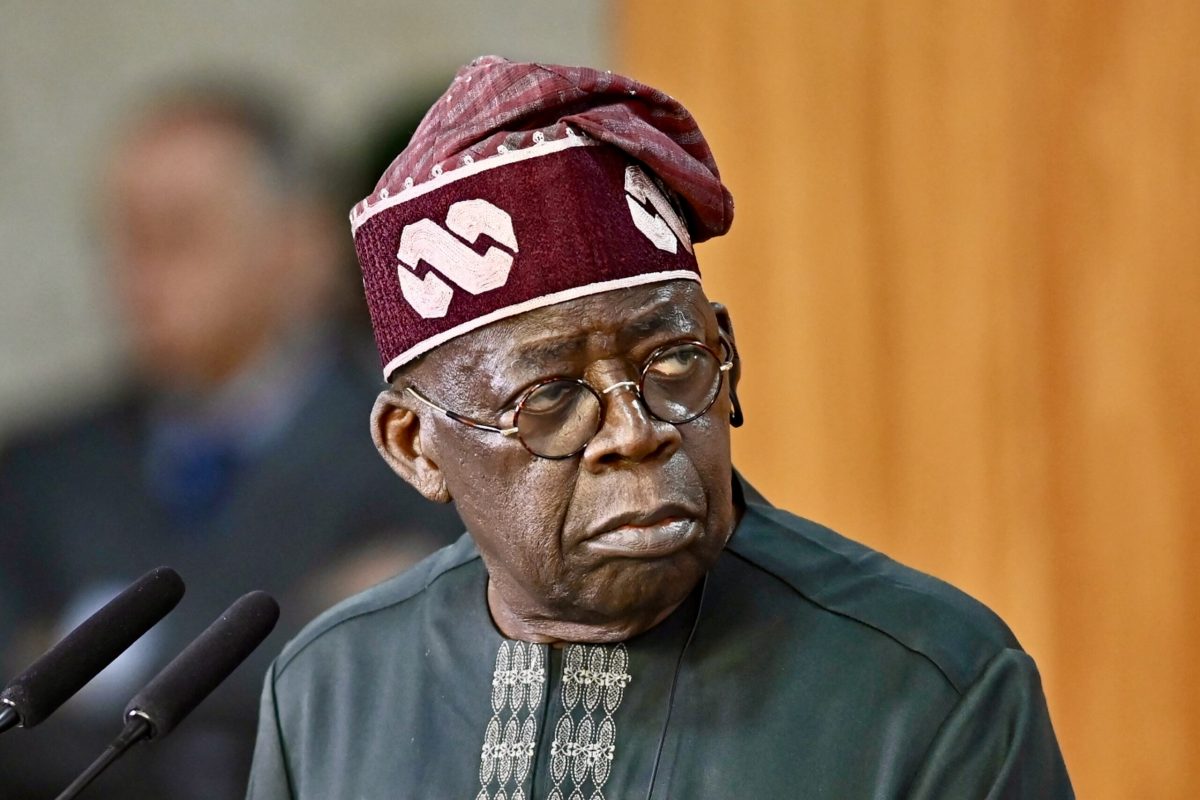
President Bola Tinubu had, only a day before the Senate action, formally asked lawmakers to amend the 1999 Constitution to give the idea legal force.
The bill is not yet law, and that remains the most important detail in the story. Under Nigeria’s constitutional amendment process, the proposal must still win approval from at least two-thirds of the 36 State Houses of Assembly before it can take effect, a hurdle that has defeated many ambitious reforms in the past.
PLAC’s legislative analysis shows that the amendment must also pass both chambers in identical terms before it is transmitted onward.
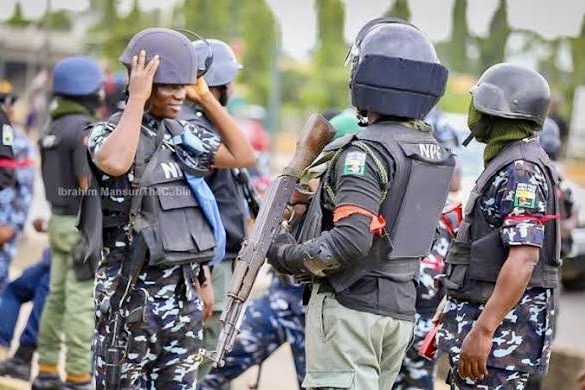
What the Senate approved is a structural rupture in Nigeria’s centralised security model. The bill seeks to move policing from the Exclusive Legislative List to the Concurrent List, allowing states to create, fund and operate their own police services alongside the federal Nigeria Police Force.
Supporters say this would improve local intelligence, shorten response times and allow governors to deal more directly with insecurity in their states.
Reuters reported that the reform is designed to address a system that has been stretched by insurgency in the north-east, banditry and kidnappings in the north-west and north-central, separatist-linked attacks in the south-east and oil theft in the Niger Delta.
The political momentum behind the bill has been building for months. On 4 June 2026, the Presidency said the state police framework was “near completion”, with Chief of Staff Femi Gbajabiamila stressing that the process required careful constitutional work.
His warning was blunt: “Establishing state police is not something that you do with the snap of the fingers.” That line captures the scale of the challenge. Nigeria is not merely adding uniforms; it is rewriting the balance of policing power between Abuja and the states.
Tinubu has now made that position explicit. In the letter read in the Senate on 23 June, he described the proposal as a key part of his security overhaul, calling it “a critical component of our administration’s strategy to reorganize Nigeria’s security architecture to better protect our citizens.”
He also said the bill builds on work already done by both chambers and includes safeguards to ensure the dual system is implemented effectively and quickly.
For lawmakers promoting the bill, the strongest argument is operational logic. Opeyemi Bamidele, the Senate Leader and sponsor of the measure, argued that state police would improve intelligence gathering because local officers understand the languages, customs and social structures of their communities.
Premium Times also quoted him as saying the reform was not meant to weaken the Nigeria Police Force, but to strengthen security operations at all levels of government.
He further said the proposal would relieve the federal police, which currently carries the burden of policing the entire country.
There is real value in that argument. A decentralised model could make it easier to respond to kidnapping networks, communal flashpoints and rural crime that often outrun federal deployment.
It could also close the intelligence gap that comes from a distant command structure trying to police communities it barely understands.
Reuters noted that reform advocates believe state police could improve response times, intelligence gathering and local knowledge, while the Senate process has gained urgency as insecurity spreads and high-profile abductions continue to unsettle public confidence.
But the danger is just as clear. Critics warn that governors may use state police as private political armies, turning a security reform into a new instrument of coercion.
Reuters reported that opponents fear misuse by governors and stress that poorer states may struggle to fund and sustain effective forces. Those fears are not abstract in Nigeria, where institutions are often tested by political pressure, weak oversight and uneven capacity across the federation.
That is why the safeguards matter as much as the headline. According to PLAC and the House materials, the proposal contemplates state police service commissions, state legislative approval before any force can begin operations, national minimum standards, and a structure that preserves federal responsibility for counter-terrorism, border security, organised crime and other national security tasks.
In theory, that is the right design. In practice, Nigeria will need funding discipline, recruitment standards, training integrity and a credible complaints mechanism if state police are not to become another elite capture project.
There is also a deeper constitutional meaning here. For years, governors, civil society groups, legal experts and security analysts have complained that Nigeria’s one-size-fits-all policing model cannot match the country’s multiple crises at once.
The passage of the bill suggests that the political class has finally accepted what the insecurity crisis has long been saying: a centralised police force alone is not enough for a country this large, this diverse and this under-policed. Whether the states can now prove more competent than the centre remains the real test.
Follow us on our broadcast channels today!
- WhatsApp: https://whatsapp.com/channel/0029VawZ8TbDDmFT1a1Syg46
- Telegram: https://t.me/atlanticpostchannel
- Facebook: https://www.messenger.com/channel/atlanticpostng