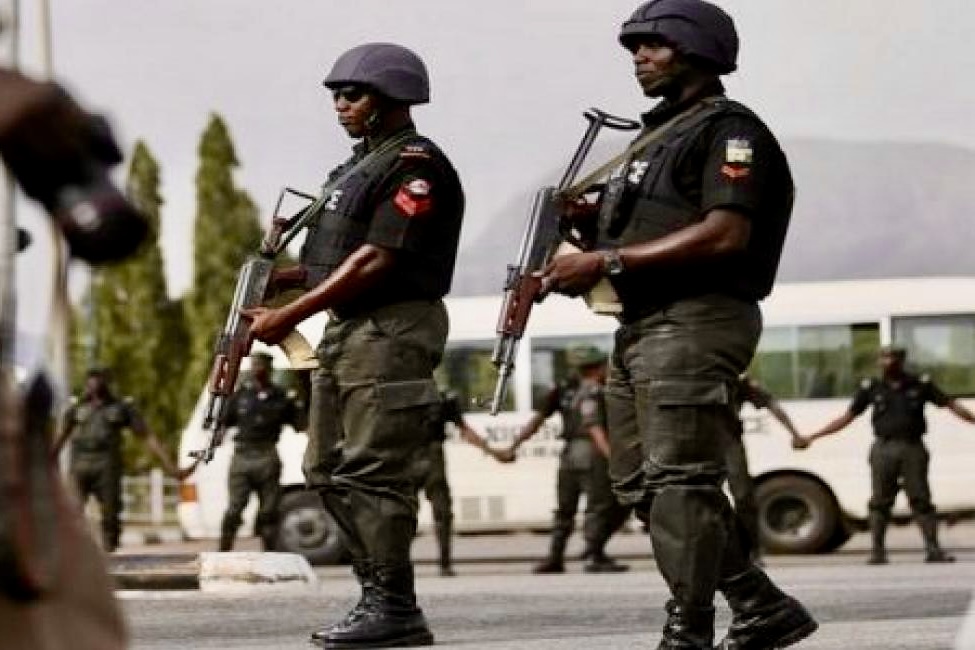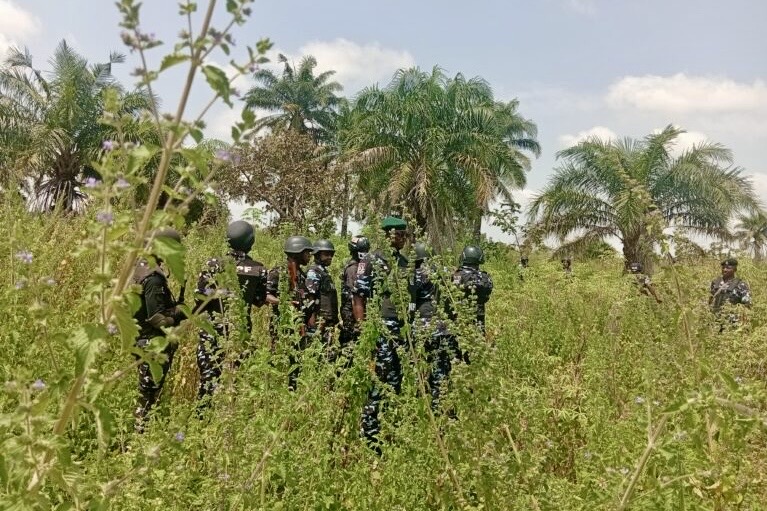
The Rule of Law and Accountability Advocacy Centre (RULAAC) has raised a fresh alarm over Nigeria’s proposed state police framework, warning the National Assembly that citizens will not accept any constitutional reform that is not transparent, participatory and evidence-based.
The organisation’s intervention comes at a sensitive moment, as lawmakers move the State Police Bill through the constitutional amendment process and the debate shifts from principle to design, safeguards and political control.
In a statement published on Thursday, RULAAC argued that the central problem is not merely whether state police should be funded as a first-line charge, but whether such a structure can truly be insulated from governors, party loyalists, criminal networks and wealthy interests.
The group said Nigeria’s past experience with institutions that are constitutionally independent on paper but still vulnerable in practice should caution lawmakers against over-relying on funding guarantees alone.
The group pointed to the judiciary as an example of the gap between constitutional autonomy and real-world independence, noting that even with a first-line charge on the Consolidated Revenue Fund, courts have continued to complain about delayed releases, executive interference and procurement bottlenecks.
It also cited INEC, saying the electoral commission has repeatedly raised concerns about delays and insufficiency in the release of funds for critical electoral duties. RULAAC’s argument is that financial autonomy may be necessary, but it is not a sufficient safeguard against political interference.
That warning lands in the middle of a fast-moving legislative process. The Policy and Legal Advocacy Centre says the House of Representatives passed the State Police Bill on 10 June 2026, while the Senate referred the same proposal to its Constitution Review Committee for further consideration.
The proposal seeks to move policing from the Exclusive Legislative List to the Concurrent Legislative List, enabling states to establish, fund and operate their own police forces alongside the Nigeria Police Force.
By late June, the reform had already been defended in the upper chamber as a national security necessity rather than a partisan experiment. Senate Leader Opeyemi Bamidele was quoted saying the bill was “a child of necessity and not of political expediency”, insisting that it emerged from broad consultations and stakeholder engagement.
He also said the proposal had support across party lines and that 84 of the 109 senators voted in favour during clause-by-clause consideration.
But RULAAC says the real test begins after the political applause fades. The organisation wants lawmakers to publish the full bill and all related constitutional amendments, then hold public hearings across all six geopolitical zones so civil society, professional bodies, traditional institutions, labour unions, security experts and ordinary Nigerians can scrutinise the details.
Its concern is simple: a reform that changes Nigeria’s security architecture should not be smuggled through on the strength of elite consensus alone.
Its position is not anti-reform. Rather, it is a warning that the wrong kind of reform could harden the very abuses Nigerians hope to escape.
RULAAC asked pointed questions that go to the heart of the matter: who controls recruitment, promotion and discipline; who appoints and removes state commissioners of police; what remedies citizens will have against abuse; and what institutions will investigate misconduct if a state police force goes rogue.
Those are not peripheral issues. They are the architecture of accountability itself.
The organisation’s scepticism is strengthened by its wider body of work on police reform. In recent policy commentary, RULAAC has argued that Nigeria’s policing crisis remains tied to political control, weak oversight and the persistence of coercive policing habits inherited from the colonial era.
It has also repeatedly warned that reform efforts fail when they focus on structural announcements without fixing the daily mechanics of accountability, discipline and civic protection.
The National Assembly’s own pace has been accelerated by the scale of the insecurity crisis. Reuters reported in June that Nigeria’s parliament advanced the state police reform as part of a broader response to the country’s worsening insecurity, while AP noted that the bill still requires ratification by two-thirds of state assemblies before it can become law.
More recently, reports in July indicate that the House of Representatives withdrew its own version and moved to consider a fresh executive proposal transmitted by President Bola Tinubu, underscoring how politically significant, and fluid, the reform has become.
That shift matters because it suggests the centre of gravity is moving from whether Nigeria should have state police to how state police should be designed.
Meta-messaging from lawmakers, including claims that the proposal has broad support, will not erase the core public anxiety that state police could become governors’ private enforcers unless the law contains clear limits, independent complaints mechanisms and robust oversight. That is the exact point RULAAC is pressing.
In practice, RULAAC is urging a slower, more deliberate reform process built around transparency and institutional safeguards. The group says the National Assembly must not rely on assurances from political office holders or assume that constitutional funding alone will guarantee professionalism.
Instead, it wants a framework that bakes in civilian oversight, public accountability, federal-state coordination rules and protection for officers who refuse unlawful political orders.
For Nigerian newsrooms, the lesson is blunt: this is not merely a legal story, but a power story. The debate over state police is really about who gets coercive authority in a fragile federation, who checks that authority, and whether the public is being asked to trust a system before it has been properly designed.
That is why RULAAC’s warning cuts through the noise: without transparent consultation and enforceable safeguards, state police could deepen the abuse Nigerians fear most.
Follow us on our broadcast channels today!
- WhatsApp: https://whatsapp.com/channel/0029VawZ8TbDDmFT1a1Syg46
- Telegram: https://t.me/atlanticpostchannel
- Facebook: https://www.messenger.com/channel/atlanticpostng