Omoyele Sowore this week publicly accused the Department of State Services of mounting a coordinated campaign against him after SaharaReporters published a stinging exposé that it says revealed deadly failings in a recent DSS promotion exercise.
Sowore’s thread on X details alleged surveillance of his associates, threats of assassination and fresh legal moves ostensibly designed to silence him and the outlet he runs.
SaharaReporters claims that chaotic arrangements for a promotion exam created “inhumane” conditions and that eight officers died in the aftermath, a revelation that has triggered an internal crisis at the secret police and a public storm.
The story has been widely shared by SaharaReporters and republished across social platforms. If true, the deaths raise urgent questions about welfare, accountability and command responsibility inside an agency charged with protecting the state.
Two distinct strands now run through this unfolding saga. The first is the journalistic chain of events — the leak, the exposé, and the social media firestorm. The second is the security state’s reaction — formal petitions to social media platforms to act, reports of operatives tailing journalists and activists, and criminal filings that have placed Sowore in the dock on cyber related charges.
The DSS itself is reported to have demanded that X and Facebook take down offending posts and deactivate accounts. That administrative route has become indistinguishable in the reportage from coercive measures.
Sowore’s allegation that the DSS is mounting a “full blown war” against him must be treated with forensic caution but not with complacency. He points to a pattern: a history of friction between himself and Nigeria’s security establishment stretching back to the Buhari era when he says a team targeted him inside a courtroom.
Whether the present claims of assassination plots and technical assistance to trolls are verifiable is a matter for investigators. What is verifiable already is that the DSS has pressed legal and administrative levers recently and that the Federal High Court has been seized of related matters. Media reports show at least one scheduled arraignment and several adjournments as defence and prosecution spar over service and procedure.
There are two ways to read the DSS response. One is institutional damage control. A sensitive agency confronted with an internal scandal will often move fast to identify and neutralise leaks. That course can, however, slide rapidly into intimidation and overreach.
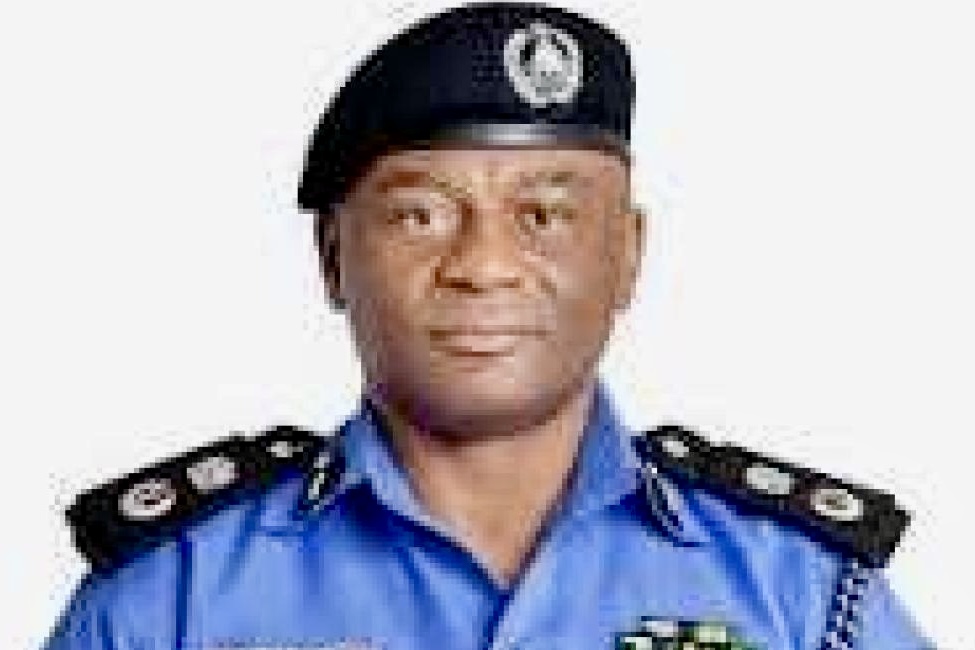
The other reading is political. The DSS now sits under the direction of Adeola Oluwatosin Ajayi, a career intelligence officer appointed in 2024 whose stewardship of the service has already attracted scrutiny and debate.
Critics say a politicised intelligence service can be used to constrict dissent. Supporters say a strong hand is required to stabilise national security. Both perspectives matter.
Independent scrutiny of the SaharaReporters claims is vital. Some commentators and outlets have questioned the exact details of the alleged eight deaths and criticised SaharaReporters for sensationalising internal service matters.
Those counterarguments serve as a reminder that explosive allegations require documentary proof and corroboration from multiple, reliable sources. The court process will produce records and filings that should be examined closely by journalists and civil society.
For press freedom in Nigeria the stakes are not abstract. If a state security agency can persuade private platforms to silence a critic and then synchronize that administrative pressure with patrols, prosecutions and passport seizures, the practical effect is to narrow civic space.
Sowore alleges his international passport was confiscated expressly to prevent him leaving the country — a tactic he says was calculated to keep him “trapped” and vulnerable. Courts must therefore be alive to due process and the appearance of selective prosecution. Recent filings and media coverage indicate the matter has already attracted judical attention.
What next?
First, independent investigators and editors should push for access to primary documents: the DSS petition to platforms, any internal memos about the promotion exercise and the coroner or medical records around the reported deaths.
Second, civil liberties organisations must demand that any surveillance or harassment claims be independently investigated.
Third, the judiciary must resist being used as a political instrument and ensure that all charges are transparently proved before the bar of law.
Finally, platforms that host Nigerian public debate must publish the legal basis for any content removals or account suspensions so that the public record is not shaped in secret.
This story is not over. It is a high stakes collision of journalism, state power and public accountability. Atlantic Post will continue to pursue the paper trail, the court filings and eyewitness testimony.
The questions now are simple and grave. Did a promotion exam at the DSS lead to multiple deaths. If so, why were officers left to fund their own logistics. Who leaked the document and why has that leak invited such a sweeping response. And crucially, does a national security agency have the right to weaponise administrative requests to social media and the criminal justice system to silence critics.
Answers matter for the safety of officers, the security of the state and the future of free speech in Nigeria.
Follow us on our broadcast channels today!
- WhatsApp: https://whatsapp.com/channel/0029VawZ8TbDDmFT1a1Syg46
- Telegram: https://t.me/atlanticpostchannel
- Facebook: https://www.messenger.com/channel/atlanticpostng