The recent massacre in Ogboji, Orumba South, where at least ten members of the Ebonyi Union were gunned down during a routine meeting, has brutally shattered the veneer of peace that once characterised this corner of Anambra State.
On 3 July 2025, Rep. Clara Nnabuife—herself an indigene of Orumba North/South Federal Constituency—stood before journalists at the National Assembly Press Complex and decried the “barbaric act” that snuffed out innocent lives in what preliminary enquiries suggest was an internal union dispute, not an ethnic conflict.
Yet the carnage in Ogboji is neither an isolated incident nor a fresh aberration in Nigeria’s troubled tapestry of communal violence.
Between January 2020 and December 2023, communal clashes in Nigeria’s Niger Delta alone claimed over 650 lives, underscoring how local disputes can metastasise into bloodshed.
More tellingly for the southeast, a recent SBM Intelligence report revealed that over 700 Nigerians have perished enforcing a sit‑at‑home order since 2021—a protest linked to the banned Indigenous People of Biafra (IPOB)—inflicting economic losses in excess of ₦7.6 trillion (US\$4.79 billion) and reviving tragic memories of the 1960s civil war.
In May 2024, Aba itself witnessed an ambush on a military checkpoint that left 11 dead—soldiers and civilians alike—after conflicting sit‑at‑home directives.
These recurrent eruptions of violence belie the claim that Orumba South, with its largely Igbo population of some 263,000, is immune to broader regional unrest.
Nor can the Ogboji atrocity be dissociated from Nigeria’s broader security deficit.
Across sub‑Saharan Africa the average homicide rate stands at 10.57 per 100,000 inhabitants—nearly double the global mean of 5.19—yet Nigeria’s internal security architecture continues to buckle under the weight of armed banditry, herder–farmer clashes, secessionist enforcement and ritualistic assassinations.
Each fresh massacre chips away at public confidence, emboldens marauding gunmen and fuels the deadly cycle of impunity.
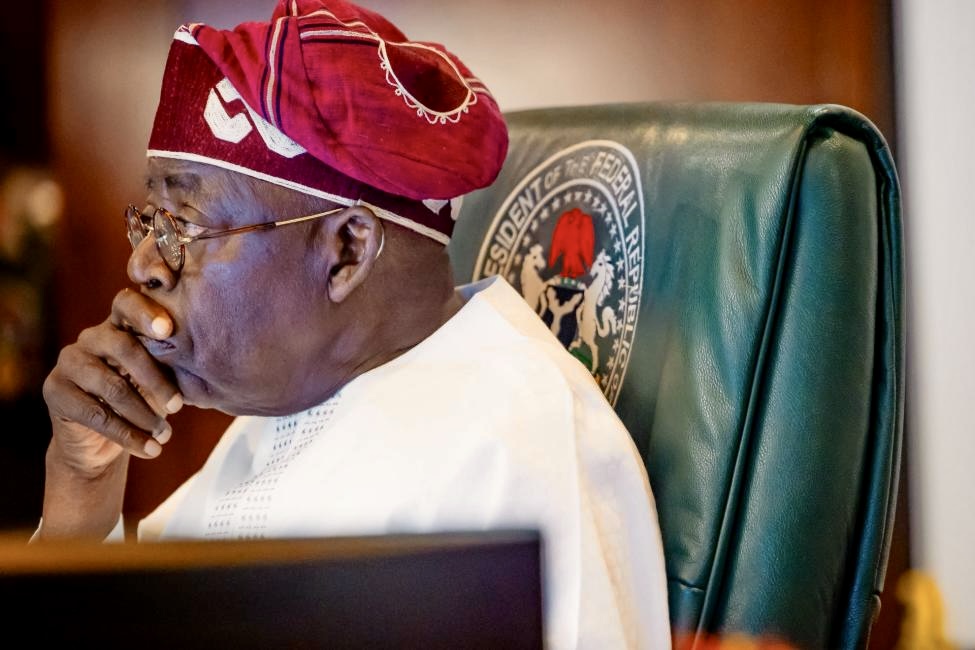
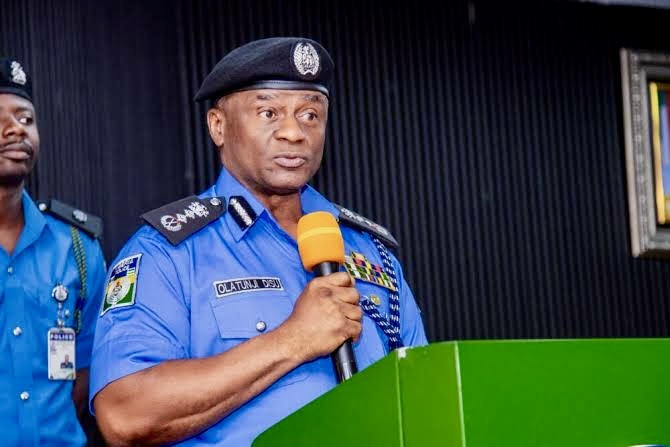
Rep. Nnabuife’s urgent call—for a joint, transparent probe involving the Nigeria Police, DSS and both state governments—is therefore more than procedural rhetoric; it is a litmus test for President Bola Tinubu’s professed commitment to “security and justice for all”.
The deployment of the National Emergency Management Agency to deliver humanitarian relief to bereaved families would signal that the federal government regards these victims as fellow citizens, not collateral damage.
Conversely, a tepid response will reinforce the grim perception that Nigerian lives are expendable in a democracy that tolerates impunity.
History teaches us that violence left unchecked breeds further violence. In 2022, pro‑Biafra militants slaughtered 14 civilians—among them women and children—in similar Orumba environs, igniting an exodus of northerners from Anambra towns.
Today’s atrocity may have sprung from a leadership feud, but if the perpetrators walk free, communal grievances will inevitably morph into ethnic reprisals.
Nigeria cannot afford that slide—not in the run‑up to general elections, nor ever.
Rep. Nnabuife is right to caution against “finger‑pointing or sensationalism”—but her plea for “truth, unity and empathy” must be matched by decisive action.
In a polity scarred by decades of failed security policies, every investigation that ends in justice, every survivor resettled with dignity, is a blow struck against the culture of violence.
Ogboji’s victims demand nothing less.