By Osaigbovo Okungbowa
In a powerful critique that has sent shockwaves through Nigeria’s political and economic landscape, former President Olusegun Obasanjo has slammed the current administration of President Bola Tinubu for its handling of critical economic policies and regional security issues. During a colloquium titled “Nigeria’s Development: Navigating the Way Out of the Current Economic Crisis and Insecurity” held in Abuja, Obasanjo did not mince words as he dissected the administration’s approach to removing petroleum subsidies, floating the naira, and responding to the coup in the Republic of Niger.

Poor Implementation of Necessary Policies
Obasanjo acknowledged that some of Tinubu’s policies, such as the removal of petroleum subsidies and the decision to float the naira, were necessary steps. However, he was unequivocal in his criticism of how these policies were implemented. According to a statement released by his Special Assistant on Media, Kehinde Akinyemi, Obasanjo said, “Today, the government has taken three decisions, two of which are necessary but wrongly implemented and have led to the impoverishment of the economy and of Nigerians.”
The former president elaborated on the flawed execution, emphasizing that the removal of subsidies and the adjustment of exchange rates have been mishandled, resulting in economic hardship for many Nigerians. “The economy does not obey orders, not even military orders. I know that. If we get it right, in two years, we will begin to see the light beyond the tunnel,” he stated, highlighting the need for strategic and well-planned economic reforms.
Critique of Regional Security Strategy
Obasanjo also criticized Nigeria’s approach to the recent coup in the Republic of Niger, suggesting that the government’s response lacked the necessary diplomatic finesse and strategic depth. His remarks come at a time when regional stability is crucial, and Nigeria’s role as a leader in West Africa is under scrutiny.
The Call for Foreign Investment
A significant portion of Obasanjo’s speech focused on the importance of attracting foreign investment. He lamented that major investors are choosing other African countries over Nigeria due to the current administration’s policies. “Total Energy has gone to invest $6bn in Angola instead of Nigeria. If the truth must be stated, the present administration has not found the right way to handle the economy to engender confidence and trust for investors to start trooping in,” Obasanjo declared.
He emphasized that to attract investment, Nigeria must present itself as a serious and reliable destination for investors. This includes shifting from transactional to transformational leadership. “We need to change from transactional leadership in government to transformational and genuine servant leadership,” he asserted, calling for a shift in governance that prioritizes integrity, transparency, and long-term planning.
Economic Strategy and Long-Term Planning
Obasanjo proposed a comprehensive 25-year socio-economic development agenda that would be agreed upon by all political parties and enshrined into law. He believes this plan would serve as a quasi-constitution, ensuring continuity and stability in Nigeria’s economic policies. “The first priority in the implementation will be education for all,” he said, underscoring the fundamental role of education in national development.
He argued that tinkering with exchange rates is not the solution to Nigeria’s economic woes. Instead, consistent and stable policies are needed to foster a conducive environment for both domestic and foreign investments. “There must be honesty and transparency in government dealings and contracts and not lying with deception about these issues,” Obasanjo stressed.
Addressing Security with a Balanced Approach
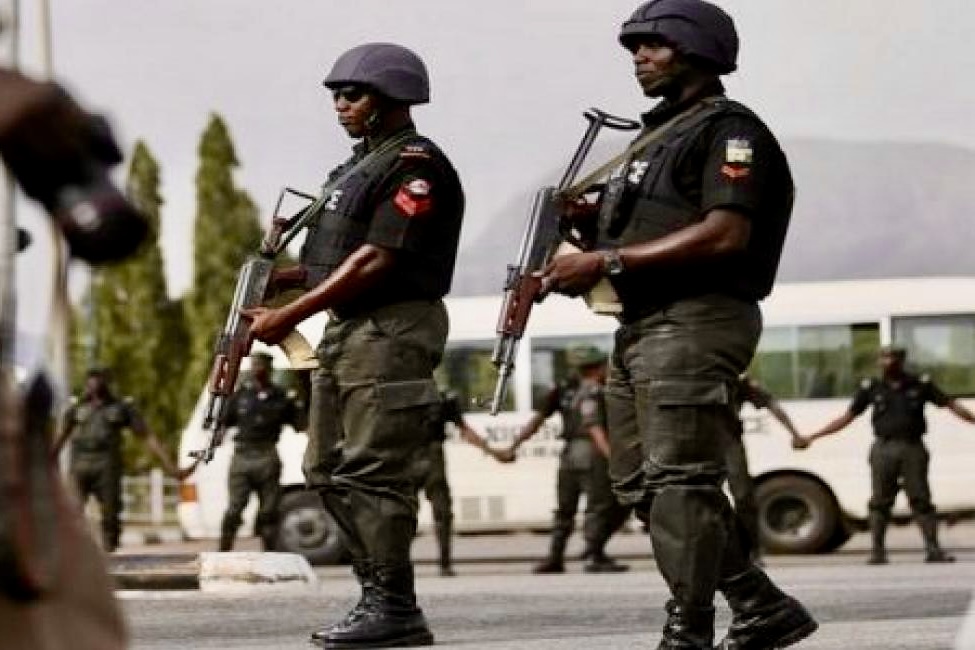
On security, Obasanjo advocated for a balanced approach that combines both punitive measures and rehabilitation. He proposed compulsory education for all Nigerian children and guaranteed employment for adults between 18 and 65 years as part of the solution to Nigeria’s security challenges. “With such a carrot in position, the stick must then be made more severe for criminals,” he suggested, outlining a dual strategy to combat crime and insecurity.
Reflecting on the Past, Planning for the Future
Obasanjo’s remarks included a sobering reflection on Nigeria’s historical economic missteps and the recurring issues that have plagued the country. He recalled past efforts to privatize refineries and the resistance these efforts faced. “The attempt that was made in 2007 to partly privatize the refineries was made by me after a thorough study of the situation. But the decision was reversed by my successor,” he recounted, pointing out the persistent cycle of poor policy implementation.
Conclusion
Former President Obasanjo’s critique of the Tinubu administration is a clarion call for urgent and transformative change in Nigeria’s economic and security policies. His insights highlight the need for strategic planning, transparency, and a shift from short-term transactional governance to long-term transformational leadership. As Nigeria grapples with its current challenges, Obasanjo’s vision offers a roadmap for sustainable development and a more secure and prosperous future.
Osaigbovo Okungbowa is Atlantic Post Senior Political Correspondent