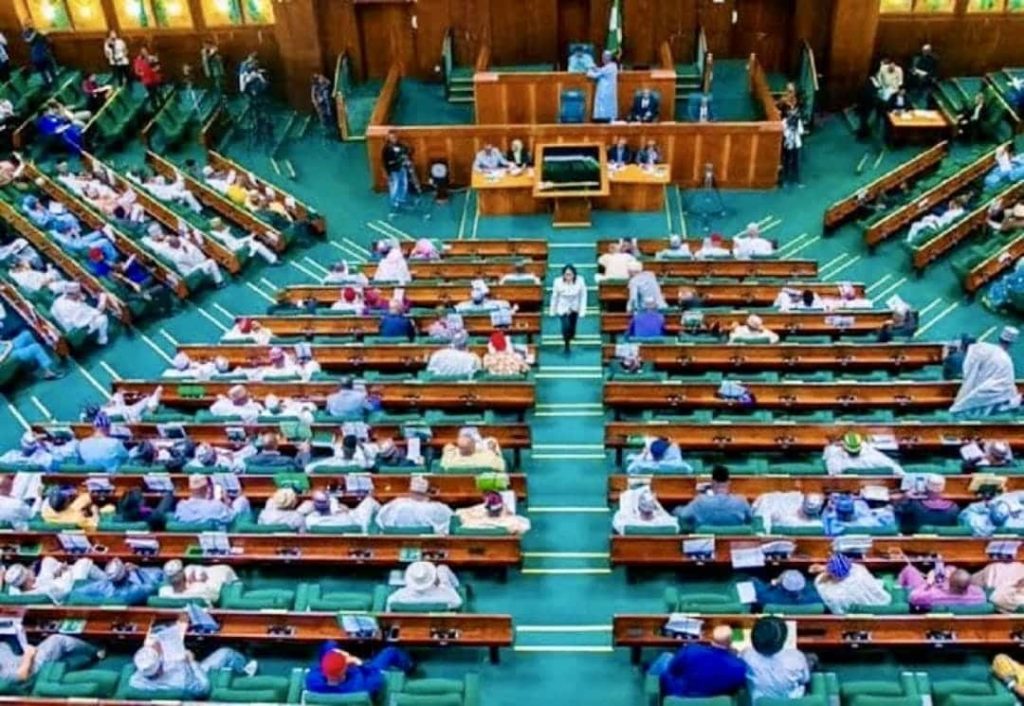
Compulsory voting bill storms through Reps, forcing every Nigerian to the polls amid deep distrust—will your vote finally count?
ABUJA, Nigeria – The House of Representatives has cleared the second reading of a bill proposing to amend the Electoral Act 2022 by making voting compulsory for all eligible Nigerian citizens, a move championed by Speaker Tajudeen Abbas and co-sponsored by Daniel Ago that seeks to tackle chronic voter apathy and deepen democratic participation.
Proponents argue this measure could revitalise civic duty, especially among youth and higher-education communities, while critics warn that without fundamental electoral reforms to ensure that votes truly count, the legislation risks being a hollow gesture that may further erode public confidence.
As debate intensifies, the bill’s fate will hinge on balancing compulsory participation with safeguarding individual freedom and improving electoral integrity.
The proposed legislation, tabled on 15 May 2025, seeks to amend key sections of the Electoral Act 2022 to mandate that every Nigerian of voting age cast a ballot in national and state elections.
Speaker Tajudeen Abbas introduced the bill during Thursday’s plenary, emphasising its potential to strengthen Nigeria’s democratic foundation by compelling broader voter turnout.
Daniel Ago, who led the debate, underscored that compulsory voting could serve as an antidote to the historically low participation rates that have undermined the legitimacy of elected officials.
Debate and Criticism
During plenary, Daniel Ago argued that imposing a legal duty to vote would encourage citizens—particularly university students and young professionals—to engage meaningfully in governance, reducing the influence of vote-buying and ensuring broader representation.
However, Mark Esset, a Peoples Democratic Party member from Akwa Ibom State, cautioned that “mandating citizens to vote is not the problem, but a situation where citizens have lost confidence in the system” and insisted that “we must also ensure that people believe their votes truly count”.
Critics further questioned practicalities such as securing polling accessibility in remote campuses and penalising non-voters without undermining personal liberties.
Lessons from Abroad
Compulsory voting is practiced in over 20 countries, including Australia, Belgium and Brazil, where turnout consistently exceeds 90%, bolstered by modest fines or administrative sanctions for abstention.
Advocates point out that higher turnout offers a more representative electorate and can stimulate political education among citizens.
Opponents, however, highlight the “right not to vote” as a fundamental liberty and warn against coercive enforcement, a critique echoed in analyses by the Cato Institute.
Implications for Nigerian Democracy
Should the bill become law, Nigeria’s universities and polytechnics would need to integrate voter education into curricula, ensuring that young adults understand both their civic duties and the mechanisms that guarantee vote integrity.
Without simultaneous reforms—such as cleaning the voter register, bolstering INEC’s independence and enhancing election security—the statute risks being perceived as punitive rather than participatory.
While the compulsory voting bill represents a bold step to counter voter apathy, its success ultimately depends on restoring trust in Nigeria’s electoral system.
Lawmakers must pair this obligation with robust measures that guarantee every vote counts, or risk compounding the very disillusionment they seek to remedy.
- Additional report from Osaigbovo Okungbowa



