By Editor
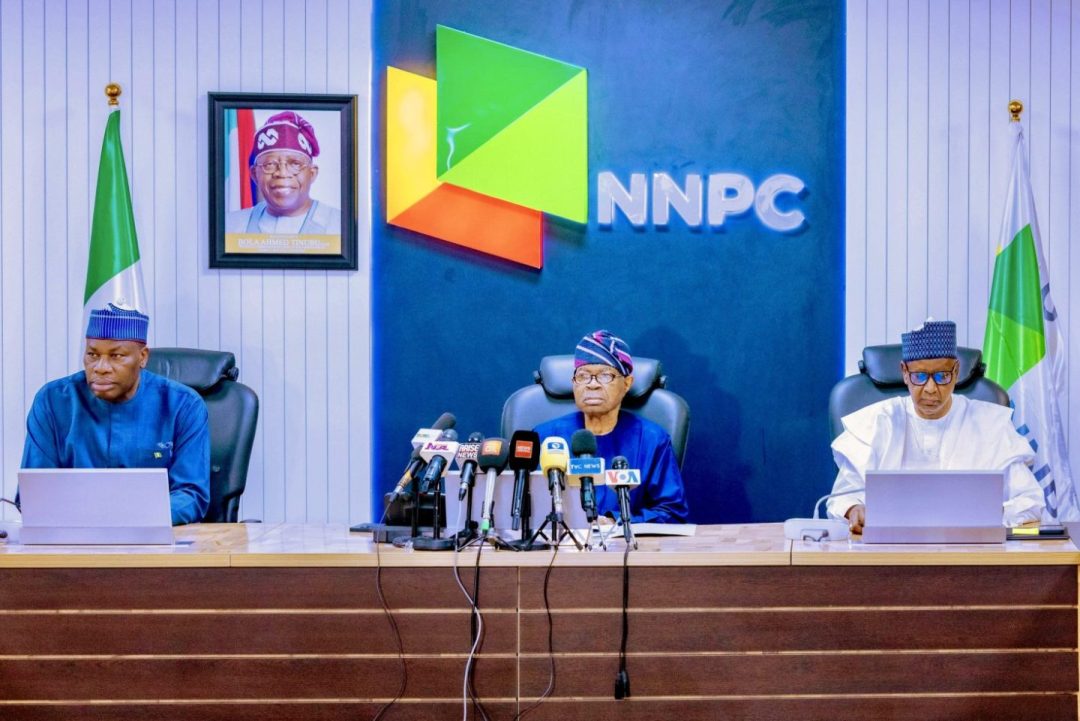
In what has been touted as a landmark development for Nigeria’s oil sector, the Nigerian National Petroleum Company Limited (NNPC Ltd.) has introduced the Utapate crude oil blend to the global energy market. Hailed as a game-changer for the nation’s economic revival, this new crude grade offers the promise of increased revenue generation, job creation, and a revitalised oil export portfolio. However, the announcement also raises questions about the broader implications of such developments on Nigeria’s oil-dependent economy, the sustainability of the project, and the nation’s reputation in the global energy market.

The NNPC Ltd.’s press release paints a picture of progress and resilience, highlighting the Utapate crude grade as a light sweet crude with exceptional qualities, including low sulphur content and an efficient yield of high-value products. Produced from the Utapate Field within Oil Mining Lease (OML) 13 in Akwa Ibom State, the blend is being compared to Nigeria’s Nembe crude and Amenam crude grades—both highly sought after by refiners worldwide. But beneath the surface lies a more complex narrative, one that demands scrutiny of the institutional, economic, and environmental factors surrounding this development.
A Promising Yet Contentious Milestone
The unveiling of the Utapate crude blend at the prestigious Argus European Crude Conference in London is indeed a testament to Nigeria’s potential to remain a major player in the global oil market. NNPC Ltd. Managing Director, Nicholas Foucart, disclosed that the Utapate Field has ramped up production to 40,000 barrels per day (bpd) since its inception in May 2024, with plans to reach an ambitious target of 80,000 bpd by the end of 2025. These figures, though impressive on paper, must be weighed against the realities of Nigeria’s oil production challenges, including underinvestment, pipeline vandalism, and bureaucratic inefficiencies that have long plagued the sector.
Additionally, the projected reserves of the OML 13 asset—330 million barrels of crude oil, 45 million barrels of condensate, and 3.5 trillion cubic feet (tcf) of gas—signal a substantial resource base. Yet, Nigeria’s history of underutilised oil reserves and poorly managed revenues casts doubt on whether these reserves can be effectively translated into tangible economic benefits. Will the introduction of the Utapate crude blend truly deliver the much-needed economic boost, or will it become yet another victim of systemic inefficiencies?
Economic Implications: An Elusive Revenue Boom
Foucart’s revelation that five cargoes of the Utapate crude blend have already been exported, primarily to Spain and the East Coast of the United States, is a positive development. The NNPC Ltd. has also secured contracts for additional cargoes in November and December 2024, signalling growing international demand. The company’s plans to establish term contracts targeting European and US East Coast refineries could ensure a stable revenue stream. However, this optimism is tempered by Nigeria’s perennial struggle with oil revenue leakages and corruption.
Historically, Nigeria’s oil revenues have often failed to trickle down to the broader population, leaving the country grappling with widespread poverty despite its abundant resources. Critics argue that without robust fiscal reforms and transparent management of oil proceeds, the Utapate project may merely inflate government revenues without addressing pressing socioeconomic issues.
Moreover, the introduction of a new crude grade raises concerns about the diversification of Nigeria’s economy. While the NNPC Ltd. celebrates its growing export portfolio, the nation remains dangerously reliant on oil revenues, which account for over 85% of export earnings and 50% of government revenues. The global energy transition toward renewable sources further exacerbates this vulnerability, leaving Nigeria at risk of economic obsolescence if it fails to adapt.
Sustainability and Environmental Concerns
The NNPC Ltd. has emphasised the environmental sustainability of the Utapate project, citing its compliance with rigorous environmental regulations and the elimination of gas flaring. The conversion of facilities from swamp/marine to land-based operations and the development of cutting-edge infrastructure, including subsea pipelines and offshore loading platforms, reflect a commitment to reducing the project’s ecological footprint.
However, environmental activists remain skeptical. Nigeria’s oil industry has long been synonymous with environmental degradation, particularly in the Niger Delta, where oil spills and gas flaring have devastated ecosystems and displaced communities. Can the NNPC Ltd.’s assurances of sustainability be trusted, or is this another example of greenwashing—an attempt to mask harmful practices under the guise of environmental responsibility? The true environmental impact of the Utapate project may only become evident with time, but the stakes are high, especially as global scrutiny of fossil fuel projects intensifies.
Community Impact: Real Benefits or Empty Promises?
One of the more compelling aspects of the NNPC Ltd.’s press release is its commitment to operating in a manner that benefits local communities. The Utapate project, executed in partnership with Natural Oilfield Services Ltd. (NOSL), is expected to create jobs, improve infrastructure, and stimulate economic activity in Akwa Ibom State. While these promises are commendable, they echo a familiar refrain in Nigeria’s oil-producing regions, where community benefits have often failed to materialise.
Tensions between oil companies and local communities have historically been a flashpoint for conflict, with grievances ranging from environmental destruction to inadequate compensation. If the NNPC Ltd. hopes to avoid a repeat of these issues, it must prioritise genuine community engagement, transparent benefit-sharing agreements, and rigorous adherence to corporate social responsibility (CSR) principles.
A Geopolitical Perspective: Strengthening Nigeria’s Global Position
The introduction of the Utapate crude blend into the global market could enhance Nigeria’s geopolitical standing, particularly in Europe and the United States, where demand for light sweet crude remains strong. The blend’s low sulphur content and low carbon footprint align with the specifications of major buyers, offering a competitive edge in a market increasingly shaped by environmental considerations.
However, this geopolitical advantage could be undermined by Nigeria’s internal challenges, including oil theft, militant activities, and a lack of cohesive energy policies. For the Utapate project to succeed on the global stage, Nigeria must address these vulnerabilities while fostering an enabling environment for foreign investment and collaboration.
Progress or a Mirage?
The unveiling of the Utapate crude oil blend represents a significant milestone for Nigeria’s oil sector, offering the potential for increased production, revenue generation, and global recognition. Yet, this development also highlights the systemic challenges that continue to hinder the nation’s progress. From revenue mismanagement and environmental concerns to geopolitical vulnerabilities, the road ahead is fraught with complexities.
As Nigeria celebrates this achievement, it must also confront the deeper structural issues that threaten to undermine its oil sector. Without meaningful reforms and a commitment to sustainable practices, the Utapate project risks becoming another symbol of unfulfilled potential in a nation desperate for economic transformation.
Unveiling the Broader Implications of NNPC Ltd.’s Utapate Crude Oil Blend
In continuing the exploration of the NNPC Ltd.’s Utapate crude oil blend, the broader economic, environmental, and geopolitical implications demand an even closer examination. While the first batch underscored the optimism surrounding the project, the second half of this analysis delves deeper into Nigeria’s historical oil-sector pitfalls and the potential ripple effects of this venture in a rapidly evolving global energy landscape.
A Question of Production Targets: Reality or Overambitious?
The NNPC Ltd. has set an aggressive roadmap for the Utapate crude oil project, targeting an output of 50,000 barrels per day (bpd) by January 2025, 65,000 bpd by June, and a lofty 80,000 bpd by the end of the same year. These figures reflect a sense of ambition that could reestablish Nigeria as a more reliable player in the oil market. However, meeting these targets will depend on a range of factors, including infrastructural efficiency, security of oil assets, and mitigation of chronic operational downtimes that have plagued Nigeria’s oil industry.
The nation’s oil production capacity has historically been undermined by crude theft, sabotage, and aging infrastructure. Data from the Nigerian Upstream Petroleum Regulatory Commission (NUPRC) indicates that in 2023, Nigeria barely managed to sustain an output of 1.3 million bpd, significantly below its 1.8 million bpd OPEC production quota. Can the NNPC Ltd. truly overcome these entrenched challenges, or is the projected 80,000 bpd target for the Utapate blend yet another overambitious proclamation designed to mask systemic inefficiencies?
Global Oil Market Dynamics: Will Utapate Blend Gain a Foothold?
The international reception of the Utapate crude oil blend thus far appears promising, with cargoes heading to Spain and the United States. The pricing structure, described as comparable to Nigeria’s premium Amenam crude grade, adds to the blend’s allure. However, Nigeria’s competitors in the global oil market, such as Angola and Algeria, have also intensified their marketing efforts, capitalising on geopolitical disruptions like the Russia-Ukraine war to secure supply deals in Europe.
In such a competitive market, the Utapate crude oil blend will need to consistently deliver on its promise of quality, sustainability, and reliability. While NNPC Ltd.’s plan to offer term contracts to buyers could establish predictable revenue streams, it also raises concerns about whether the company can sustain uninterrupted production and delivery, given Nigeria’s history of volatile supply chains.
Moreover, the global energy transition away from fossil fuels presents a looming threat. With major economies investing heavily in renewable energy and electric vehicles, the demand for crude oil is expected to decline over the next two decades. Can the Utapate blend carve out a lasting niche in this shrinking market, or will it be a short-lived triumph in a rapidly decarbonising world?
Nigeria’s Energy Security and Local Refining Dilemma
The announcement of the Utapate crude oil blend underscores Nigeria’s ongoing reliance on exporting raw crude rather than refining it locally to maximise value. Despite being Africa’s largest oil producer, Nigeria imports a significant portion of its refined petroleum products due to the underperformance of its local refineries.
The much-anticipated Dangote Refinery, which began partial operations in 2024, was expected to change this narrative. However, it remains uncertain whether it can absorb crude from new fields like Utapate or if its capacity will be directed solely toward existing grades. Furthermore, the government’s recent removal of fuel subsidies has heightened public scrutiny of oil sector operations, adding pressure on the NNPC Ltd. to ensure that revenue from projects like Utapate directly benefits Nigerians.
The question then arises: Should Nigeria prioritise local refining of Utapate crude to enhance energy security, or continue focusing on export revenues at the expense of domestic economic resilience?
Environmental Realities: A Tangible Commitment or Hollow Promises?
NNPC Ltd.’s assurances of sustainability, including its commitment to eliminating gas flaring and adhering to strict environmental regulations, deserve closer inspection. While the Utapate project represents progress in aligning with global environmental standards, Nigeria’s oil sector remains riddled with ecological disasters. The Niger Delta, where much of the nation’s oil is extracted, serves as a grim reminder of the long-term damage caused by spills, deforestation, and habitat destruction.
Moreover, international buyers increasingly prioritise crude oil grades with verifiable low-carbon footprints, and any misstep in Utapate’s environmental management could result in reputational damage. Will the NNPC Ltd. maintain its stated commitment to sustainability, or will environmental corners be cut in pursuit of higher production figures and quicker profits?
Governance Challenges: Transparency vs. Corruption
One of the most persistent challenges facing Nigeria’s oil industry is the lack of transparency and accountability. From the infamous oil subsidy scandals to the opaque management of joint venture agreements, the sector has been plagued by allegations of corruption that have eroded public trust.
For the Utapate crude oil project to truly succeed, the NNPC Ltd. must adopt a transparent governance model, ensuring that revenues are accounted for and invested in critical sectors such as education, healthcare, and infrastructure. Without such reforms, the project risks becoming another flashpoint for public discontent, as citizens question why a nation so rich in resources continues to struggle with poverty and underdevelopment.
The Geopolitical Opportunity: A Double-Edged Sword
The entry of Utapate crude into the global market offers Nigeria an opportunity to strengthen its geopolitical influence, particularly in energy-dependent regions like Europe. However, this influence comes with risks, as the nation’s oil sector remains vulnerable to external shocks, including fluctuating global prices and geopolitical conflicts.
Additionally, Nigeria’s heavy reliance on China and India as key trading partners for crude oil exports has left it exposed to economic risks associated with over-dependence. The diversification of Utapate crude’s market to Europe and the US is a step in the right direction, but it must be accompanied by strategic policy decisions to protect Nigeria’s broader economic interests.
Conclusion: A Moment of Reckoning
The unveiling of the Utapate crude oil blend represents a critical juncture for Nigeria’s oil industry. On the one hand, it signals progress, innovation, and a potential resurgence of the nation’s oil production capabilities. On the other hand, it highlights the fragility of an economy overly reliant on a single resource, the environmental and governance challenges that remain unaddressed, and the uncertain future of fossil fuels in a world increasingly embracing sustainability.
For the Utapate project to succeed in delivering its promises, Nigeria must confront its systemic issues head-on. This includes ensuring transparency in revenue management, fostering sustainable practices, investing in local refining capacity, and leveraging its oil assets strategically in the face of global energy transitions. Anything less would reduce this milestone to a fleeting achievement, overshadowed by the same vulnerabilities that have long undermined Nigeria’s oil sector.