The White House’s 2026 U.S. Counterterrorism Strategy, published in May 2026, places Africa back at the centre of Washington’s terror map. In the Africa section, the document says the collapse of ISIS’s physical caliphate in Iraq and Syria pushed surviving militants into Africa and Central Asia, where they have exploited ungoverned spaces. It explicitly names West Africa, the Sahel, the Lake Chad Basin, Mozambique, Sudan and Somalia as areas of renewed danger.
The language is unusually blunt for an official strategy paper. Washington says its two clear goals in Africa are to stop Jihadi groups from building bases capable of attacking the United States and to “protect Christians” whom it says have been slaughtered by extremist violence.
The document also says the United States will work with threatened governments, provide “actionable intelligence”, develop partner forces and maintain a “light military footprint” rather than a large occupation model.
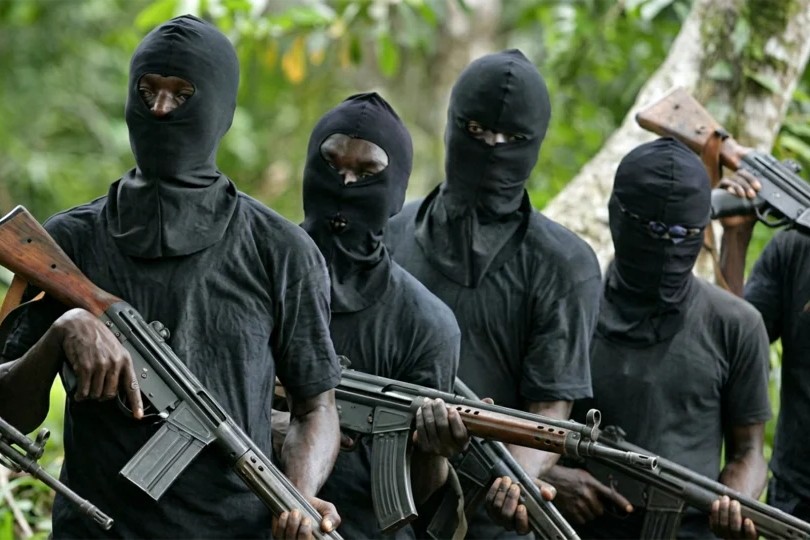
This is significant because Nigeria is not being mentioned in a vacuum. According to the U.S. National Counterterrorism Center, ISIS-West Africa is one of the group’s biggest and deadliest branches, operating primarily in northeastern Nigeria and throughout the Lake Chad region, with an estimated 4,000 to 7,000 fighters, and having killed or displaced thousands of people in Nigeria and neighbouring states.
According to the same assessment, ISIS-WA targets military installations, civilian defence One of ISIS’s biggest and deadliest branches, according to the U.S. National Counterterrorism Center, is ISIS-West Africa.
It claims that the group has between 4,000 and 7,000 fighters, mostly operates in northeastern Nigeria and the Lake Chad region, and has murdered or displaced thousands of people in Nigeria and its bordering states.
According to the same assessment, ISIS-WA targets infrastructure, government employees, military installations, civilian defence forces, Christians, and other civilians it perceives as being against its goals.
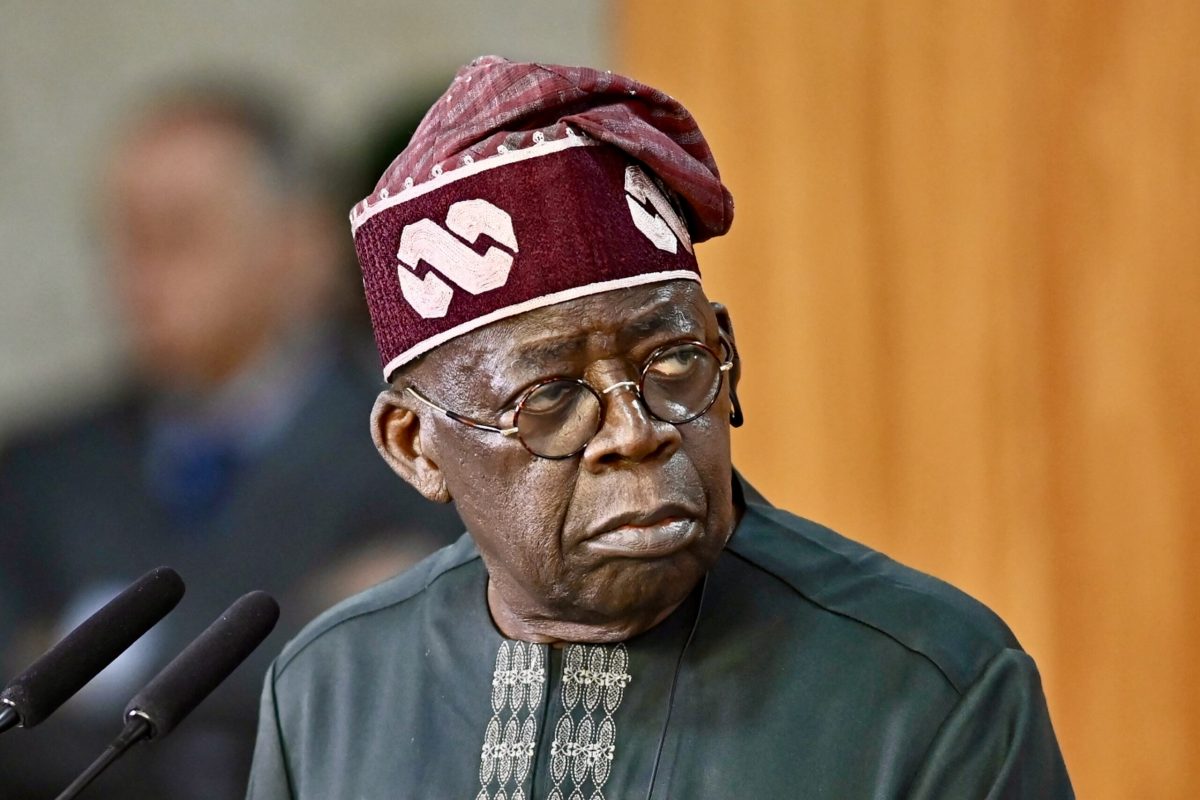
This is why the strategy’s Nigeria focus is politically explosive. Reuters reported in late 2025 that President Donald Trump threatened possible “fast” military action in Nigeria over what he described as killings of Christians, while President Bola Tinubu rejected the claim that Nigeria was religiously intolerant.
Reuters also reported that Nigerian officials said they welcomed U.S. help only if their “territorial integrity” was respected, and that analysts say most victims of Islamist violence in the north-east are Muslims, not Christians.
The White House document now folds that argument into a wider counterterrorism doctrine. It says the administration is rebuilding bilateral CT ties with African governments and will continue to work with states threatened by ISIS and al-Qaeda affiliates through intelligence sharing and partner-force development until the shared threat no longer exists.
It also says the United States intends to protect its interests without returning to the “forever war” model, a signal that Washington wants leverage, not a massive troop presence.
The United States is reportedly shifting from rhetorical pressure to a more active, intelligence-led, and selective operational posture in the Nigerian theatre. Reuters reported in February 2026 that the United States planned to send roughly 200 troops to Nigeria to train the Nigerian military, following earlier airstrikes against Islamic State targets and surveillance flights over the country from Ghana.
Following earlier bombings against Islamic State targets and surveillance flights over the country from Ghana, Reuters reported in February 2026 that the United States intended to send roughly 200 troops to Nigeria to teach the Nigerian military.
When considered collectively, those stories indicate that Washington is shifting its operational stance in the Nigerian theatre from rhetorical pressure to one that is more active, intelligence-led, and selective.
The deeper question is whether this new American framing will help Nigeria close the security gaps that ISIS-WA and related groups have exploited for years.
The Lake Chad Basin remains a serious insurgent arena, and the NCTC assessment shows that ISIS-WA is still embedded enough to mount assaults, use drones, stage kidnappings and sustain pressure on civilians and security forces.
That means the problem is no longer only about ideology or religion. It is about territory, state capacity, intelligence failure and the ability of regional governments to hold ground once it is cleared.
For Abuja, the danger is twofold. On one hand, Washington’s strategy could sharpen international focus on the real insurgent networks operating across the north-east and the Lake Chad corridor.
On the other hand, its heavy emphasis on Christian persecution could deepen a politically charged debate that risks flattening Nigeria’s much more complex violence map, where jihadist attacks, banditry, farmer-herder clashes and communal killings have harmed both Christians and Muslims.
That is why the next phase will matter more than the announcement itself: the quality of intelligence, the discipline of any foreign support, and the extent to which regional states can stop extremists from re-establishing safe havens.
What this strategy shows, above all, is that Africa is no longer a side note in U.S. counterterrorism thinking. It is now being treated as a frontline theatre where ISIS fragments, al-Qaeda affiliates and local insurgent networks can regroup if weak states fail to dominate their own territory.
For Nigeria, and for the wider Sahel, that is both a warning and a test. The battlefield has shifted, but the enemy has not vanished.
Follow us on our broadcast channels today!
- WhatsApp: https://whatsapp.com/channel/0029VawZ8TbDDmFT1a1Syg46
- Telegram: https://t.me/atlanticpostchannel
- Facebook: https://www.messenger.com/channel/atlanticpostng