The Nigeria Police Force has set off a fresh round of interest with a directive sending 216 Police Mobile Force officers to Abuja for compulsory peacekeeping screening and training on 14 May 2026.
The order, contained in an internal wireless message dated 5 May 2026 and reinforced by a 6 May covering memo, says the exercise is mandatory, places the officers in “Batch C”, and warns that any absentee will face sanctions.
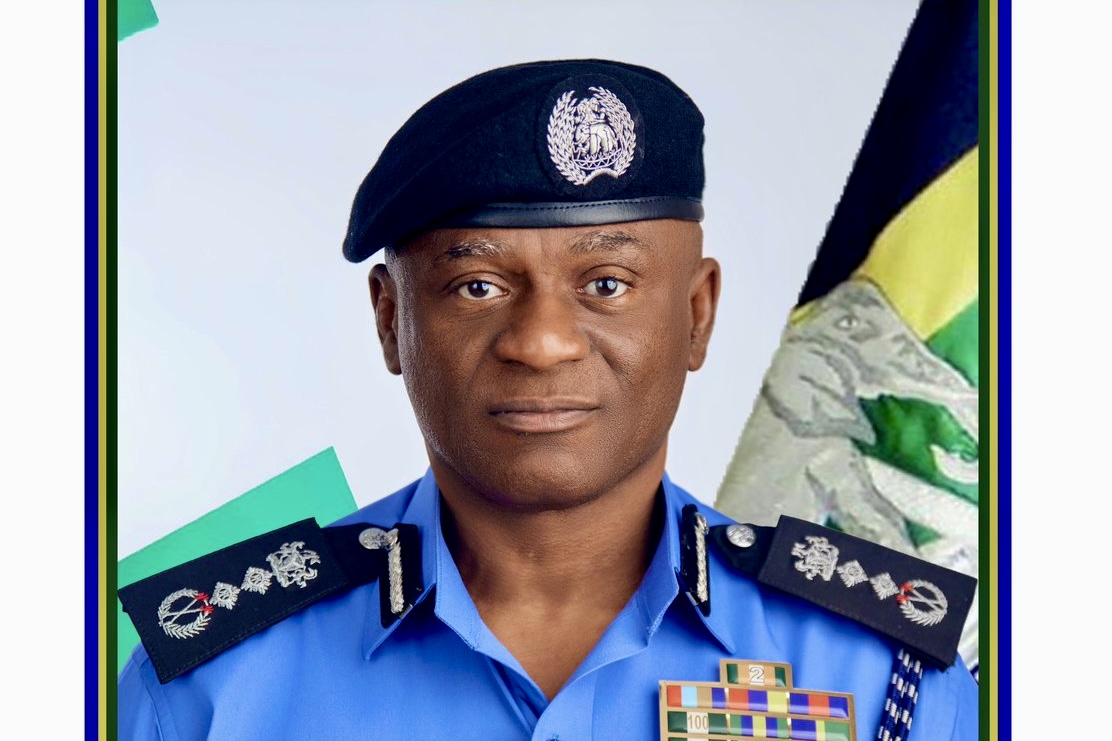
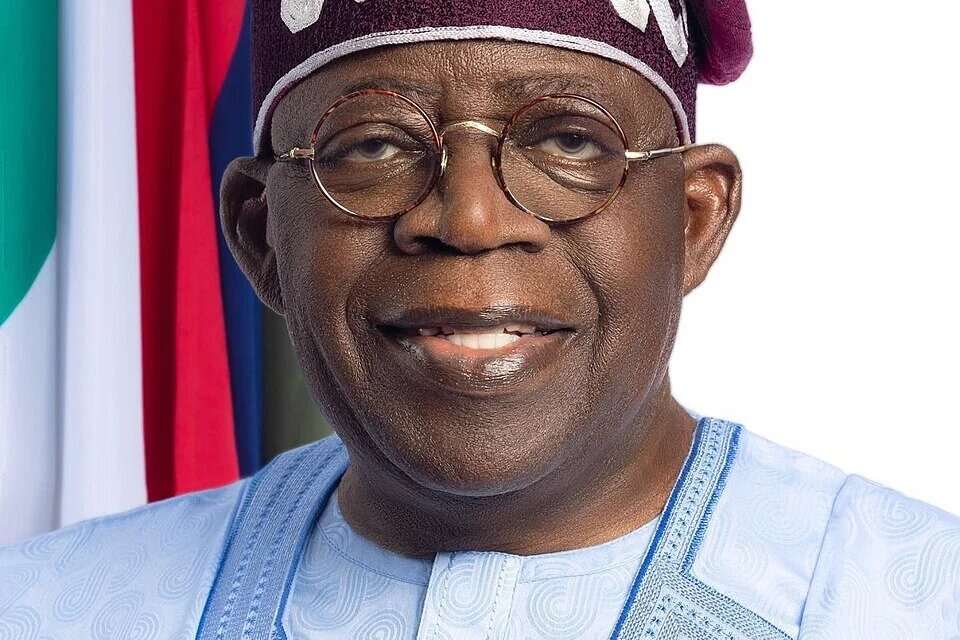
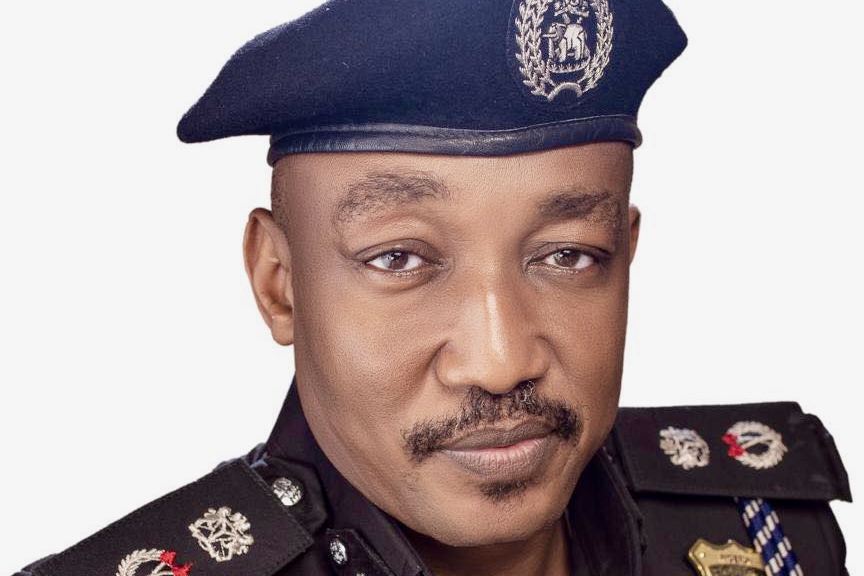
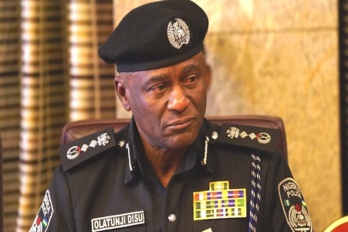
What makes the development more significant is the leadership context around it. The State House said on 2 March 2026 that Olatunji Rilwan Disu had been ratified as Inspector General of Police after the resignation of Kayode Egbetokun, while parts of the Nigeria Police web presence still carried Egbetokun’s name at the time of review.
That mismatch suggests a force in transition, where the paperwork and the public face of leadership do not always move at the same speed.
The leaked signal, seen by SaharaReporters, was addressed to a wide command net that included assistant inspectors general in all zonal commands, commissioners of police, PMF formations, training institutions and specialised units.
That breadth matters. It suggests this is not a narrow administrative call-up but a centrally driven mobilisation touching the force’s command architecture from headquarters down to the field.
At the heart of the matter is peacekeeping. The Nigeria Police Force says its Peacekeeping Office was established in 2005 with a vision to “research, train and deploy” personnel for global peace support operations.
The same official page says Nigeria has deployed more than 12,000 officers to UN, AU and ECOWAS missions, beginning with a Congo deployment in 1960 and later sending its first formed police unit to Liberia in 2004.
That history explains why Abuja treats peacekeeping training as more than ceremony. The United Nations says Nigeria has been a major contributor of troops and police to UN peace operations since the 1960s, serving in dozens of missions across the world.
In UN peacekeeping data, Nigeria remained among the countries contributing uniformed personnel, with 254 officers and personnel listed as at 31 January 2025.
The force’s own training structure also shows how central such an exercise is.
Its Department of Training and Development says it coordinates training and retraining from Force Headquarters, Abuja, and runs the process through institutions that include police colleges, the Police Academy, and specialist schools such as the mobile training schools in Gwoza and Ila-Orangun.
In other words, the signal appears to sit inside a wider professional pipeline rather than a one-off parade of names.
The tone of the wireless message leaves little room for ambiguity. “Attendance is compulsory as no excuse will be tolerated. Absentees will attract sanction. Treat as very important please,” it said.
The covering memo was equally firm, instructing commanders to note and treat the directive accordingly.
That language tells its own story. It speaks to a force leadership trying to impose order, compel compliance and remove the casual approach that often weakens operational readiness.
The list itself also reveals the kind of personnel being filtered through the process.
It spans ranks from Deputy Superintendent and Assistant Superintendent to Inspector level, which suggests the exercise is not just about raw manpower but about officers who can be shaped for supervisory and operational responsibility.
In a force under pressure to show discipline, mobility and interoperability, that is a deliberate choice.
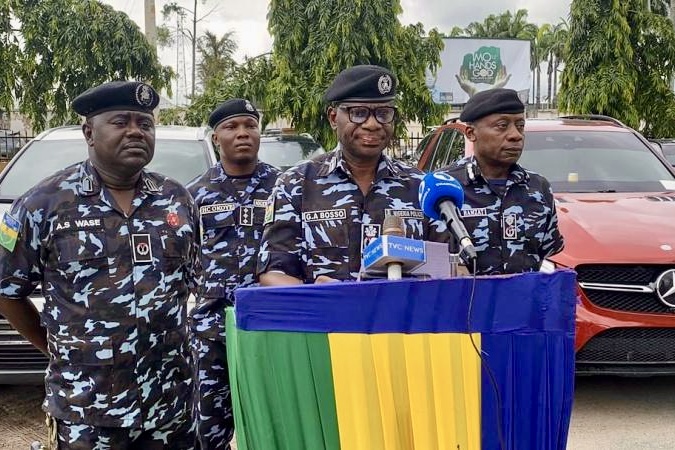
The Police Mobile Force remains one of the Nigeria Police’s most strategic formations because it is often called upon for high-risk duties, emergency response, tactical deployments and reinforcement during crises.
A peacekeeping screening for PMF officers therefore has a double meaning. It is partly about external deployment standards, but it is also a readiness test for a unit that is constantly expected to answer internal security demands at short notice.
There is also a political and institutional reading. Since 2025, the federal security conversation has increasingly centred on manpower, training and internal discipline.
Against that backdrop, a compulsory peacekeeping call-up for 216 officers is less a routine memo than a signal that the force wants to reassert its professional brand.
It is trying to show that Nigeria can still export trained police capacity abroad while dealing with serious security strain at home.
For now, the strongest takeaway is simple. The order is not just about screening officers for a training course. It is about command control, international policing credibility and the long-running effort to turn the PMF into a deployment-ready arm of the force.
The sanctions warning underlines the seriousness. The peacekeeping venue underlines the symbolism. And the size of the list underlines the scale of the ambition.
In practical terms, the message from headquarters is that peacekeeping is being treated as both a professional duty and a loyalty test.
For a police institution that has long presented itself as one of Africa’s more experienced contributors to UN missions, the 216-officer call-up is another reminder that the battle for credibility begins with discipline inside the ranks.
Follow us on our broadcast channels today!
- WhatsApp: https://whatsapp.com/channel/0029VawZ8TbDDmFT1a1Syg46
- Telegram: https://t.me/atlanticpostchannel
- Facebook: https://www.messenger.com/channel/atlanticpostng