By Editor
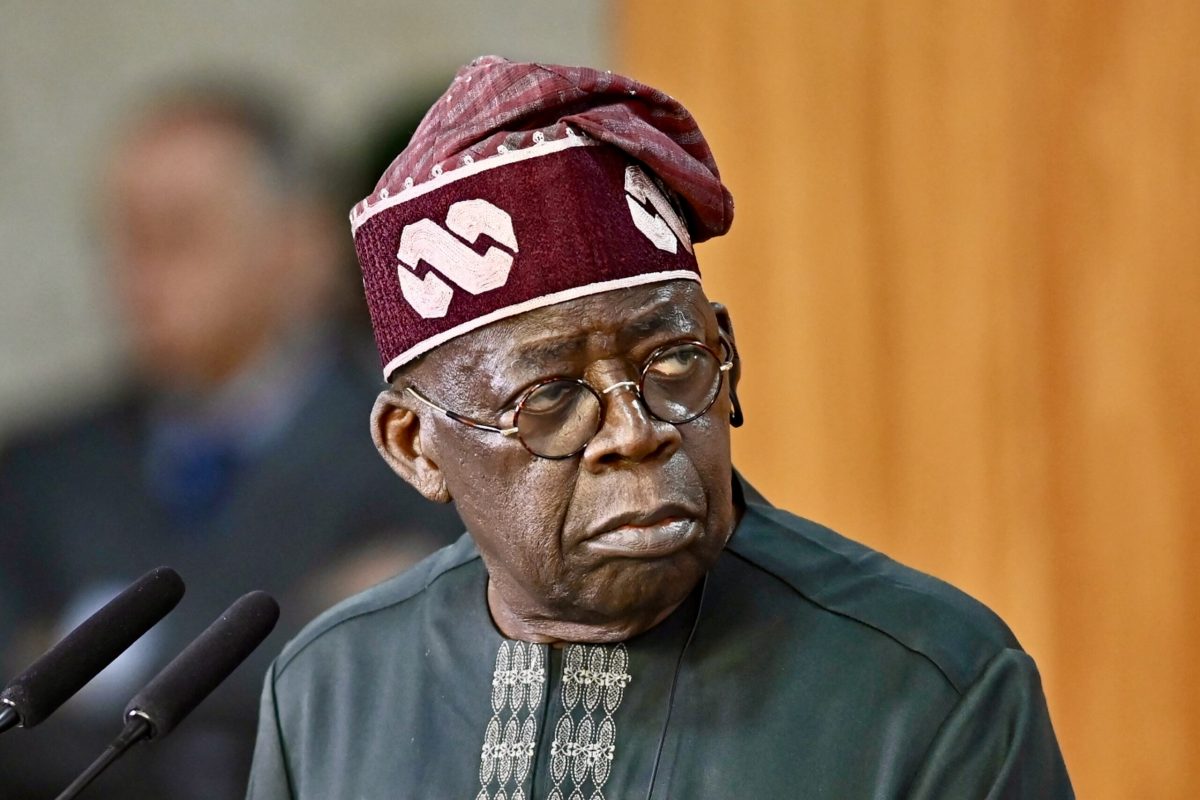
Nigeria’s Vice President Kashim Shettima calls for transparency, regional cooperation, and sustainable development at the SIREXE conference in Côte d’Ivoire, emphasising Nigeria’s leadership in Africa’s extractive industry.
In an era marked by global resource wars, environmental degradation, and economic inequalities, Nigeria’s Vice President Kashim Shettima has once again positioned Africa’s most populous nation at the epicentre of a regional debate on resource governance. Speaking at the inaugural International Exhibition of Extractive and Energy Resources (Salon International des Ressources Extractives et Energétiques – SIREXE) in Abidjan, Côte d’Ivoire, Shettima’s message was both ambitious and audacious. It was a clarion call for transparency, regional cooperation, and sustainable development in Africa’s extractive industry—a sector long plagued by corruption, mismanagement, and conflict.
Shettima’s speech, as reported by his Senior Special Assistant on Media and Communication, Stanley Nkwocha, comes at a time when Nigeria is grappling with internal and external challenges in its oil and gas sector. The Vice President did not mince words. “This is not just about resources; it’s about people, prosperity, and posterity,” he declared, highlighting the moral imperative of resource governance in a continent where millions live in poverty despite vast mineral wealth.
At first glance, Shettima’s rhetoric seems like a refreshing departure from the usual platitudes often associated with African leaders at international conferences. His emphasis on the strength of governance institutions as the linchpin for turning resource wealth into national prosperity was a poignant reminder of the stakes involved. “The strength of our governance institutions will determine whether resource wealth becomes a blessing or a curse,” he asserted. But beyond the eloquence lies a deeper, more complex narrative—a narrative that raises questions about Nigeria’s sincerity and capacity to lead such a monumental shift across Africa.
Nigeria’s Extractive Transparency Initiative: A Model or a Mirage?
Shettima was quick to point out Nigeria’s pioneering role in the transparency movement with the establishment of the Nigeria Extractive Industries Transparency Initiative (NEITI) in 2004. “We became the first country in the world to domesticate the Extractive Industries Transparency Initiative because we understood that opacity breeds inefficiency and corruption,” he boasted. On paper, NEITI has been a beacon of hope, a symbol of Nigeria’s commitment to transparency in a sector notorious for backroom deals and opaque transactions.
However, critics argue that NEITI’s impact has been more symbolic than substantive. While the initiative has produced a series of audit reports highlighting discrepancies in revenue collection and management, its ability to enforce accountability remains questionable. Corruption scandals continue to rock Nigeria’s oil and gas sector, and the country’s ranking on Transparency International’s Corruption Perceptions Index remains dismally low. Can a nation struggling to enforce transparency within its own borders realistically lead a continent-wide reform?
Shettima’s assertion that “transparency is non-negotiable for building trust and ensuring inclusive benefits for all” is undoubtedly true. But for many Nigerians, these words ring hollow. The recent controversy surrounding the restructuring of the Nigerian National Petroleum Corporation (NNPC) under the Petroleum Industry Act (PIA) of 2021 is a case in point. While the transformation of NNPC into a commercially oriented entity, now known as NNPC Limited, has been hailed as a game-changer, critics argue that it has merely shifted the locus of power without fundamentally altering the culture of opacity and inefficiency.
The Petroleum Industry Act: A Catalyst for Reform or a Trojan Horse?
The Petroleum Industry Act (PIA) of 2021 was touted as a revolutionary piece of legislation aimed at overhauling Nigeria’s oil and gas sector. Shettima highlighted the law’s impact, stating, “NNPC Limited now operates with agility, transparency, and reduced government interference. This shift is setting a new standard for resource governance in Africa.” The Vice President’s optimism is not without merit. The PIA has introduced measures to attract foreign investment, increase government revenue, and promote local content. But has it lived up to its billing?
For many industry analysts, the jury is still out. While the PIA has undoubtedly brought some level of operational efficiency to NNPC Limited, it has also been criticised for failing to address fundamental issues such as environmental degradation in the Niger Delta, revenue leakages, and the marginalisation of host communities. The law’s focus on commercial viability has raised concerns that it prioritises profit over people—a critique that Shettima’s speech conveniently sidestepped.
Moreover, the Vice President’s assertion that NNPC Limited now operates with reduced government interference is viewed with skepticism. The Nigerian government remains the sole shareholder of NNPC Limited, and questions abound about the extent to which political influence has genuinely been curtailed. In a country where state-owned enterprises have historically been used as patronage networks, can NNPC Limited truly operate as a commercially independent entity?
Local Content Development: A Success Story or a Missed Opportunity?
One area where Shettima’s speech resonated with many observers is his emphasis on local content development as a driver of economic growth. Citing the success of Nigeria’s Local Content Act of 2010, he noted that local participation in the oil and gas industry has increased from 5 percent to nearly 30 percent. “The success of projects like the Dangote Refinery, the world’s largest single-train refinery, showcases what is possible when we prioritise indigenous capacity and innovation,” he declared.
The Dangote Refinery, a $19 billion project with a capacity to refine 650,000 barrels of crude oil per day, is indeed a testament to what can be achieved when local content policies are effectively implemented. However, the refinery’s success also underscores a paradox. While Nigeria boasts the largest refinery in Africa, it remains a net importer of refined petroleum products. The country’s four state-owned refineries have been plagued by inefficiency, corruption, and underinvestment, raising questions about the sustainability of its local content strategy.
Furthermore, the focus on local content in the oil and gas sector has often come at the expense of other critical sectors such as renewable energy, mining, and manufacturing. As Africa transitions towards a more sustainable energy future, can Nigeria afford to put all its eggs in the fossil fuel basket? Shettima’s speech, while highlighting the importance of local content, offered little in terms of a vision for diversifying Nigeria’s energy portfolio—a glaring omission in a continent poised to become a global leader in renewable energy.
The Regional Dimension: A Unified Africa or Fragmented States?
One of the most compelling aspects of Shettima’s speech was his call for regional cooperation in addressing shared challenges in the extractive industry. “Africa’s energy future is intertwined. The progress of one state ripples across others. Nigeria stands ready to share its lessons and collaborate with ECOWAS partners to build an extractive industry that works for our people,” he proclaimed. The sentiment is noble, but the reality is far more complex.
Africa’s extractive industry is characterised by a patchwork of regulatory frameworks, conflicting national interests, and a lack of infrastructure for cross-border collaboration. While regional bodies such as the Economic Community of West African States (ECOWAS) have made strides in promoting economic integration, the extractive sector remains largely fragmented. Nigeria’s leadership in fostering regional cooperation will require more than rhetoric; it will demand concrete actions, such as harmonising regulatory standards, investing in cross-border infrastructure, and addressing security challenges that have hampered resource development in conflict-prone regions.
Nigeria’s Leadership in Africa’s Resource Governance: A Continent at a Crossroads
As Vice President Kashim Shettima emphasised in his address at the SIREXE conference, Nigeria’s leadership in Africa’s extractive sector is not merely symbolic—it is pivotal. With an economy heavily reliant on crude oil, contributing over 85 percent of its export revenue and nearly 50 percent of government income, Nigeria stands as a microcosm of Africa’s resource paradox. This paradox is the stark contrast between the continent’s vast natural wealth and the pervasive poverty that continues to plague its population. Shettima’s message was clear: if Africa is to transform its resource wealth into sustainable development, it must follow Nigeria’s lead in transparency, governance, and regional cooperation. But can Nigeria truly lead by example, or is it shackled by its own internal contradictions?
The Vice President’s assertion that “our continent is home to 40 percent of the world’s gold, 10 percent of its oil, and critical minerals like cobalt and lithium” underscores Africa’s immense resource potential. Yet, the continent remains one of the least industrialised regions globally, with much of its wealth siphoned off by multinational corporations, local elites, and foreign interests. The challenge for Nigeria—and indeed for Africa—is how to wrest control of its resources from these vested interests and channel them toward national and regional development.
The Curse of Resource Wealth: From Nigeria to the Rest of Africa
History has shown that resource wealth, if not properly managed, can become a curse rather than a blessing. This phenomenon, often referred to as the “resource curse,” manifests in various forms: corruption, conflict, economic instability, and environmental degradation. Nigeria is no stranger to this curse. Despite being one of the largest oil producers in Africa, the country has struggled to translate its oil wealth into broad-based economic prosperity. The Niger Delta, home to Nigeria’s oil industry, remains one of the most underdeveloped and environmentally degraded regions in the country. This stark reality casts a shadow over Shettima’s optimistic vision of resource-driven development.
The Vice President’s speech, while highlighting Nigeria’s achievements in transparency and local content development, glossed over the deep-seated challenges that continue to undermine the country’s extractive sector. The ongoing issue of oil theft, for instance, has reached alarming proportions, with estimates suggesting that Nigeria loses over 400,000 barrels of crude oil per day to illegal bunkering and pipeline vandalism. This represents billions of dollars in lost revenue—funds that could have been used to address pressing social and economic needs.
Moreover, the Niger Delta remains a hotbed of militancy and unrest, driven by grievances over environmental degradation, revenue allocation, and political marginalisation. The Nigerian government’s amnesty program, introduced in 2009 to address these issues, has had limited success in achieving lasting peace. Without a comprehensive strategy to address the root causes of the unrest, Nigeria’s vision of a stable and prosperous extractive industry will remain elusive.
Regional Cooperation: A Vision Fraught with Challenges
Shettima’s call for regional cooperation is both timely and necessary. Africa’s extractive industry is not confined within national borders; it is a regional and global enterprise. The continent’s mineral resources are crucial for the global economy, particularly in the context of the energy transition and the growing demand for critical minerals like lithium, cobalt, and rare earth elements. These minerals are essential for the production of batteries, electric vehicles, and renewable energy technologies.
However, the path to regional cooperation is fraught with challenges. African countries have historically competed rather than collaborated in the extractive sector, each seeking to maximise its own resource revenue at the expense of regional integration. This competition has often led to regulatory discrepancies, trade barriers, and conflicts over resource-rich border regions. Shettima’s vision of a unified African extractive industry will require a paradigm shift in how African nations perceive and manage their resources.
One potential avenue for fostering regional cooperation is through the African Continental Free Trade Area (AfCFTA), which aims to create a single market for goods and services across the continent. The extractive sector could benefit significantly from the AfCFTA, particularly in terms of reducing trade barriers, harmonising regulatory standards, and promoting cross-border infrastructure projects. However, the success of this initiative will depend on the political will of African leaders and the ability of regional institutions to enforce compliance.
Nigeria’s Role in ECOWAS: Leading by Example or Lagging Behind?
As one of the largest economies in the Economic Community of West African States (ECOWAS), Nigeria has a crucial role to play in driving regional cooperation in the extractive sector. The country’s leadership in initiatives such as the ECOWAS Mining and Minerals Development Policy (EMMDP) and the ECOWAS Energy Policy is commendable. However, critics argue that Nigeria’s domestic challenges have limited its ability to fully leverage its influence within the regional bloc.
For instance, Nigeria’s chronic power shortages have had a ripple effect across the West African region, given the country’s status as a key energy exporter. The West African Gas Pipeline (WAGP), which supplies natural gas from Nigeria to neighbouring countries such as Benin, Togo, and Ghana, has been plagued by disruptions due to infrastructure deficiencies and security concerns. This has undermined Nigeria’s credibility as a reliable partner in regional energy cooperation.
Moreover, Nigeria’s protectionist policies, such as the closure of its land borders in 2019 to curb smuggling, have strained relations with its ECOWAS neighbours. While the policy was aimed at protecting Nigeria’s domestic industries, it also highlighted the challenges of balancing national interests with regional commitments. If Nigeria is to lead by example in the extractive sector, it must demonstrate a greater commitment to regional integration and cooperation.
Security Challenges: The Achilles’ Heel of Africa’s Extractive Industry
Security remains one of the most significant challenges facing Africa’s extractive industry. Resource-rich regions across the continent have become hotspots for conflict, driven by a complex interplay of factors such as ethnic tensions, economic inequalities, and competition over resource control. Nigeria’s experience in the Niger Delta and the Boko Haram insurgency in the northeast illustrates the devastating impact of insecurity on resource development.
Shettima acknowledged this challenge in his speech, highlighting Nigeria’s investment in specialised policing frameworks to secure mining sites and ensure sustainable growth. “We cannot afford to allow cartels and instability to jeopardise our aspirations,” he warned. While this is a step in the right direction, the effectiveness of these security measures remains to be seen.
The rise of artisanal and small-scale mining (ASM) in Africa has further complicated the security landscape. While ASM provides livelihoods for millions of people, it is often associated with environmental degradation, child labor, and funding for armed groups. Addressing the challenges posed by ASM will require a multi-faceted approach, including formalisation, regulation, and the provision of alternative livelihoods for affected communities.
Environmental Degradation: The Price of Africa’s Resource Wealth
Vice President Shettima’s emphasis on the critical role of environmental stewardship in the extractive sector could not have come at a more crucial time. Across Africa, the exploitation of natural resources has left a trail of environmental degradation, jeopardising ecosystems, biodiversity, and human health. The Niger Delta, once a thriving ecosystem of mangroves, rivers, and forests, now bears the scars of decades of oil spills, gas flaring, and industrial waste. The region’s fishing and farming communities have been devastated, with livelihoods lost and public health crises escalating.
Shettima’s reference to the environmental impact of resource extraction, though brief, underscores a fundamental contradiction in Africa’s resource-driven development model. While the sector generates substantial revenue, it also imposes significant environmental and social costs. The challenge for Nigeria and other resource-rich African nations is how to balance economic growth with environmental sustainability.
At the SIREXE conference, the Vice President of Côte d’Ivoire, Tremoko Kone, highlighted his nation’s efforts to reduce emissions and mitigate environmental pollution. However, these efforts are often hampered by weak regulatory frameworks, limited enforcement capacity, and the influence of powerful industry players. Nigeria’s experience with the Ogoni clean-up project, initiated in 2016 to remediate oil pollution in the Niger Delta, illustrates the complexity and slow pace of environmental restoration in resource-rich regions. Despite initial progress, the project has faced delays, funding challenges, and community grievances, raising questions about the government’s commitment to environmental justice.
To address these challenges, Nigeria must prioritise environmental governance as a cornerstone of its extractive industry policy. This includes strengthening regulatory institutions, enhancing environmental monitoring and enforcement, and ensuring that environmental impact assessments (EIAs) are conducted transparently and independently. Furthermore, Nigeria should leverage regional and international partnerships to access the technical expertise and financial resources needed for environmental remediation and sustainable resource management.
The Role of Local Content: Building Capacity for Sustainable Development
One of the key pillars of Shettima’s vision for a sustainable extractive industry is local content development. The Vice President highlighted Nigeria’s success in increasing local participation in the oil and gas sector from a mere 5 percent to nearly 30 percent through the Local Content Act of 2010. This legislative framework mandates that a significant percentage of contracts, employment, and procurement in the oil and gas industry be reserved for Nigerian companies and workers.
The success of the Dangote Refinery, described by Shettima as “the world’s largest single-train refinery,” is a testament to the potential of local content development to drive industrialisation and economic growth. The refinery, which is expected to produce 650,000 barrels of refined petroleum products per day, has not only reduced Nigeria’s dependence on imported fuel but also created thousands of jobs and stimulated local industries.
However, the story of local content in Nigeria is not without its challenges. Critics argue that the implementation of the Local Content Act has been uneven, with some sectors of the industry still dominated by foreign companies and expatriate workers. Furthermore, the focus on local content in the oil and gas sector has not been matched by similar efforts in other extractive industries, such as mining and solid minerals.
To build on its achievements, Nigeria must adopt a more holistic approach to local content development. This includes expanding the scope of local content policies to cover a broader range of extractive industries, investing in vocational training and education to build a skilled workforce, and promoting innovation and technology transfer. By doing so, Nigeria can not only increase its local participation in the extractive sector but also position itself as a hub for resource-based industrialisation in Africa.
Transparency and Accountability: The Cornerstones of Resource Governance
At the heart of Shettima’s message was the imperative of transparency and accountability in resource governance. The Vice President’s reference to the Nigeria Extractive Industries Transparency Initiative (NEITI), established in 2004, underscores Nigeria’s leadership in the global transparency movement. As the first country to domesticate the Extractive Industries Transparency Initiative (EITI) standards, Nigeria has set a benchmark for other resource-rich nations.
NEITI’s periodic audits of the oil, gas, and mining sectors have exposed discrepancies in revenue collection, highlighted governance gaps, and provided a basis for policy reforms. These audits have also increased public awareness and advocacy for transparency and accountability in the extractive sector. However, transparency alone is not sufficient to address the complex challenges facing Nigeria’s resource governance.
Despite NEITI’s efforts, Nigeria continues to grapple with corruption, weak institutions, and limited public trust. The oil sector, in particular, has been plagued by scandals involving revenue mismanagement, illegal oil bunkering, and opaque licensing processes. The restructuring of the Nigerian National Petroleum Corporation (NNPC) under the Petroleum Industry Act (PIA) of 2021, which transformed the state-owned enterprise into a commercially oriented entity, was a significant step towards enhancing transparency and efficiency. However, the success of this reform will depend on its implementation and the ability of regulatory agencies to enforce compliance.
To build a transparent and accountable extractive industry, Nigeria must go beyond auditing and reporting. This includes strengthening anti-corruption agencies, enhancing civil society participation in resource governance, and leveraging technology for real-time monitoring and data transparency. Furthermore, Nigeria should advocate for regional transparency initiatives, such as the adoption of EITI standards by other ECOWAS member states, to promote a culture of accountability across West Africa.
The Future of Africa’s Extractive Industry: Towards a New Paradigm
As the SIREXE conference highlighted, Africa stands at a critical juncture in its resource governance journey. The continent’s extractive industry, long viewed as a source of wealth and power, must now be reimagined as a catalyst for sustainable development, social equity, and environmental stewardship. Nigeria, with its experience, resources, and leadership, has a unique opportunity to shape this new paradigm.
Vice President Shettima’s call for regional cooperation, local content development, and transparency is a step in the right direction. However, the road ahead is fraught with challenges. Addressing the resource curse, mitigating environmental degradation, fostering regional integration, and building resilient institutions will require bold leadership, strategic vision, and unwavering commitment.
For Nigeria, the stakes are high. The country’s future, and indeed the future of Africa, depends on the choices made today. Will Nigeria rise to the occasion and lead the continent towards a prosperous and sustainable future, or will it succumb to the same forces that have kept Africa’s resource wealth untapped and its people impoverished? The answer lies not in words, but in action.
As the global demand for critical minerals and energy resources continues to rise, Africa has the potential to become a key player in the global economy. But this potential can only be realised if its leaders, industry players, and citizens work together to harness their resources for the common good. The time for action is now, and Nigeria must lead the way.