The killing of 28-year-old Mene Ogidi in Effurun, Delta State, has exploded into a fresh national confrontation over police brutality, accountability and the shrinking space for peaceful protest in Nigeria.
What began as a shocking viral video has now widened into a major test of the Nigeria Police Force’s willingness to punish its own officers, after the Force said the policeman involved, ASP Nuhu Usman, would be dismissed and prosecuted.
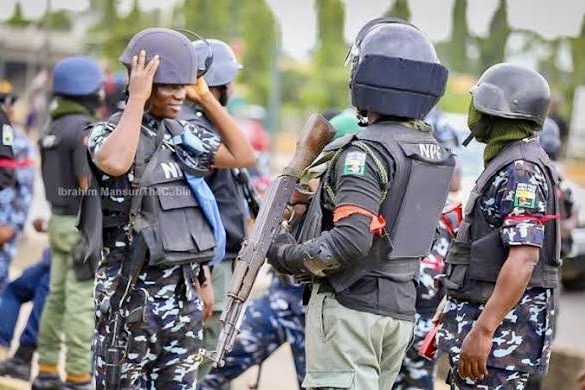
The Take-It-Back Movement has seized on the incident to accuse the police of using force against unarmed citizens who were protesting the killing, describing the response in Delta as a brutal repression of peaceful assembly.
In its statement, the group alleged that officers deployed tear gas and intimidation against demonstrators and said the state response reflected a deeper culture of impunity inside the security system.
That argument now sits at the centre of the latest public anger: not only over one death, but over the broader conduct of policing in a democracy.
The police have, however, moved quickly to contain the damage. The Delta State Police Command earlier confirmed that ASP Nuhu Usman had been arrested and transferred to Force Headquarters in Abuja for disciplinary action, after the fatal shooting of Mene Ogidi on 26 April 2026 in Effurun.
The Command said the officer acted in clear violation of Force Order 237 and the Standard Operating Procedure governing firearms use, a detail that sharply undermines any claim that the shooting was an unavoidable operational necessity.
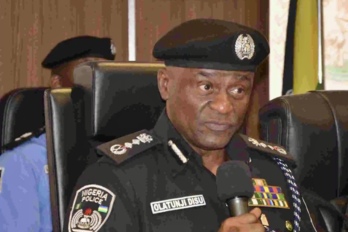
By Wednesday, the matter had escalated beyond internal discipline. The Inspector-General of Police, Olatunji Disu, approved the recommendation of the Force Disciplinary Committee for the dismissal and prosecution of Usman and other officers found culpable, with the case forwarded to the Police Service Commission for ratification.
The Force said the officers would then face the appropriate judicial authorities, turning what had first appeared to be a disciplinary matter into a criminal accountability process.
That response is important, but it is also a belated one. In Nigeria, public confidence in police accountability has often depended less on formal procedure than on public outrage.
The speed with which this case moved from viral outrage to disciplinary action suggests that the Force understands the reputational danger.
The harder question is whether the process will end in a genuinely transparent prosecution, or whether the country will once again watch a grave incident dissolve into bureaucratic language and quiet institutional closure.
This is an inference, but it is strongly supported by the rapid sequence of police action, PSC condemnation and rights group pressure.
Civil society groups have already raised the stakes. Amnesty International has called for a prompt, thorough and transparent investigation into what it described as the extrajudicial execution of Mene Ogidi, while Avocats Sans Frontières France, also known as Lawyers Without Borders, has demanded a public prosecution and a full, impartial inquiry.
Their interventions matter because they shift the matter from a local police scandal into a broader human rights case, where the central issue is no longer only who pulled the trigger, but whether the Nigerian state can credibly investigate itself.
The Police Service Commission has also condemned the killing and pledged proper discipline against the officer involved. That condemnation matters because it signals that the chain of accountability is now under formal scrutiny beyond the command level.
Yet the real test is still ahead. Nigerians have heard many promises of reform after deadly police incidents, but fewer have seen those promises translated into open court proceedings, public findings and sanctions that survive political pressure.
For Delta State, the implications are immediate. The killing has reignited distrust between residents and the police, while the protests around it have exposed how quickly grief can turn into broader civic unrest when citizens believe the system is protecting itself rather than serving the public.
For the federal authorities, the case is now bigger than one officer and one victim. It is a referendum on whether Nigeria’s security institutions can still command legitimacy when the public sees restraint only after tragedy, and accountability only after a video goes viral.
The Take-It-Back Movement’s demand for the resignation of the police leadership, whether ultimately granted or not, has sharpened the political meaning of the crisis.
Its central message is simple: a democracy cannot claim moral authority if citizens are punished for protesting a killing, while the state moves slowly to prosecute the officers involved.
On that point, the Delta tragedy has already become larger than Delta. It is now part of the national argument over police power, public trust and whether the right to life and peaceful assembly still carries practical meaning in Nigeria.
Follow us on our broadcast channels today!
- WhatsApp: https://whatsapp.com/channel/0029VawZ8TbDDmFT1a1Syg46
- Telegram: https://t.me/atlanticpostchannel
- Facebook: https://www.messenger.com/channel/atlanticpostng