Nigeria has moved quickly to tighten surveillance at every point of entry after health authorities in the Democratic Republic of Congo declared a fresh outbreak of Ebola virus disease in Kasai Province.
The DRC reported 28 suspected cases and at least 15 deaths, including health workers, and laboratory tests confirmed the Zaire strain of Ebola in early September.
The World Health Organization and regional bodies are deploying teams and supplies while Nigeria reactivates screening protocols that were sharpened during the 2014 crisis.
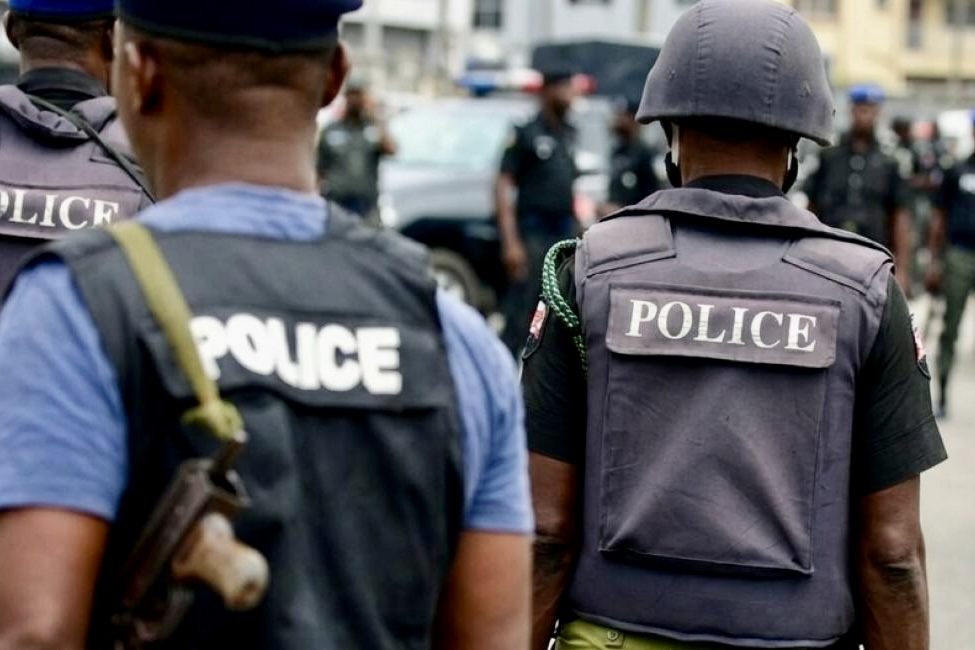
The Director of Port Health Services at the Federal Ministry of Health and Social Welfare, Dr Akpan Nse, told Saturday PUNCH that every arriving passenger from the DRC will now be screened and their medical history recorded.
He said additional staff had been recruited, thermal scanners reactivated, and that private partners had assisted to keep equipment functional. The ministry has also reactivated mandatory health declaration forms for inbound travellers, and screening applies to air, sea and land points of entry.
The WHO has moved rapidly to support the response. Director General Dr Tedros Adhanom Ghebreyesus announced the release of US$500,000 from the Contingency Fund for Emergencies and confirmed WHO teams, personal protective equipment and a mobile laboratory were already being delivered to Kasai.
The UN body also said 2,000 doses of the Ervebo vaccine had been prepositioned in Kinshasa and are being made available to vaccinate contacts and frontline health workers.
A Grim Pattern in the DRC and a Clear Risk to Nigeria
This is not a one-off event for the DRC. Since Ebola was first identified in 1976, the country has recorded more outbreaks than any other nation, with numerous flare ups in Kasai and other provinces including the Equateur outbreak of 2022.
The pattern is clear. Ebola reappears in remote provinces, often linked to zoonotic spillover, then travels along human networks toward regional hubs. That pathway is precisely the vulnerability Nigeria must address.
Nigeria’s 2014 experience remains the most instructive precedent. An imported case triggered a cluster that was contained through swift activation of an emergency operations centre, exhaustive contact tracing and community mobilisation.
The country limited transmission to 20 confirmed or probable cases and declared itself free of Ebola within weeks. That episode should be a template and a warning. Complacency will be punished.
Border Screening Is Necessary but Not Sufficient
Border screening is a necessary first line of defence. Thermal scanners, health declaration forms and arrival questionnaires are basic public health tools. They will catch symptomatic travellers and create a record for follow up. But experience and studies show significant limits.
Fever screening misses asymptomatic incubating cases and border checks can be little more than theatre if not linked to robust downstream systems for testing, rapid isolation, contact tracing and community engagement. The technical literature warns that entry screening alone cannot be relied upon to stop importation.
That is the crux of the investigative concern. Nigeria can screen 10,000 passengers a day but if isolation units are not ready, if laboratories are not able to turn around diagnostic tests quickly, and if contact tracing in the hinterland is underfunded, a single missed case could seed a cluster in a crowded city.
The Port Health director’s recruitment drive must be matched by sustained support to state public health laboratories, NCDC rapid response teams, and the country’s reference labs in Lagos and Ibadan.
What the Experts Are Saying
Academic voices quoted in the initial briefings are blunt. An associate professor of infectious diseases and genomics warned that Nigeria must not let its guard down and called for interagency coordination to avoid gaps between border screening and domestic surveillance.
A virologist at UCH Ibadan emphasised that the risk of transmission is highest when people are symptomatic, which makes early case detection and isolation essential.
The head of infectious diseases at LUTH stressed the role of community surveillance and urged people to report unusual illnesses promptly.
These are not platitudes. They are operational priorities.
Questions for Government and Health Agencies
This investigation poses a set of urgent operational questions that public officials must answer publicly and quickly.
1. Are Nigeria’s reference laboratories able to process suspect Ebola samples within 24 to 48 hours and communicate results rapidly to activate contact tracing?
2. Has the NCDC reactivated its emergency operations centre with dedicated funding for surge capacity in human resources and logistics?
3. Where will suspected cases be isolated in Lagos, Port Harcourt and other urban centres without overwhelming tertiary hospitals?
4. Are vaccine cold chain arrangements in place to receive and deploy Ervebo doses should ring vaccination be required in contacts of confirmed cases?
5. What contingency plans exist to keep essential cross-border trade and humanitarian movements flowing while preventing disease spread?
The answers should be transparent. Past success in 2014 was built on clarity, command and community trust. Nigeria must show the same.
The Weak Link Is Community Detection
Border checks begin at ports, but outbreaks are recognised and stopped in communities. If a symptomatic person seeks care in a private clinic and staff fail to suspect Ebola, the chain of transmission can start there.
Training for clinicians, guaranteed supply of personal protective equipment, and incentives for rapid reporting must be part of the package.
The WHO is supplying PPE and mobile lab support in Kasai but there is no substitute for sustained national readiness and community engagement.
The Political and Economic Angle
Any sustained closure or heavy restriction at borders will have economic consequences. Trade with neighbouring countries and cargo movements must continue.
That reality adds a political dimension to public health decisions. Ministries of health, interior, aviation and trade must coordinate so that screening remains effective without strangling commerce.
The government should publish a clear risk matrix that links health metrics to calibrated border measures. That is the only way to avoid ad hoc decisions that create confusion and erode public trust.
Recommendations From This Investigation
1. Publish a national readiness scorecard within 48 hours covering lab turnaround times, isolation bed capacity, PPE stocks and surge staffing levels.
2. Reactivate NCDC emergency operations, declare a time limited national incident management structure and fund it transparently.
3. Expand rapid diagnostic testing capacity in Lagos and other high risk states and establish sample courier lines with documented chain of custody.
4. Ring vaccinate identified contacts and frontline health workers using prepositioned Ervebo supplies if confirmed transmission chains are detected. WHO support must be leveraged quickly.
5. Launch a community alert campaign that tells citizens exactly what symptoms to watch for, where to report, and where to seek care. Clear messaging reduces fear and prevents harmful informal responses.
In conclusion, the Kasai outbreak is a test of systems not just headlines. Nigeria’s authorities have taken the correct immediate steps by reactivating screening and recruiting staff. But the real measure of success will be in laboratory capacity, the speed of contact tracing and the depth of community surveillance.
Past success in 2014 shows the country can act decisively. Yet complacency, weak interagency coordination and an overreliance on entry screening will turn a manageable importation into a crisis.
This investigation will follow developments closely and report on the answers to the operational questions above. The country must prove that it has learned the lessons of history and is prepared to translate policy into action.
Follow us on our broadcast channels today!
- WhatsApp: https://whatsapp.com/channel/0029VawZ8TbDDmFT1a1Syg46
- Telegram: https://t.me/atlanticpostchannel
- Facebook: https://www.messenger.com/channel/atlanticpostng