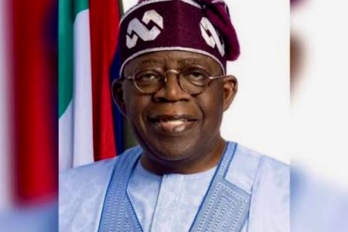
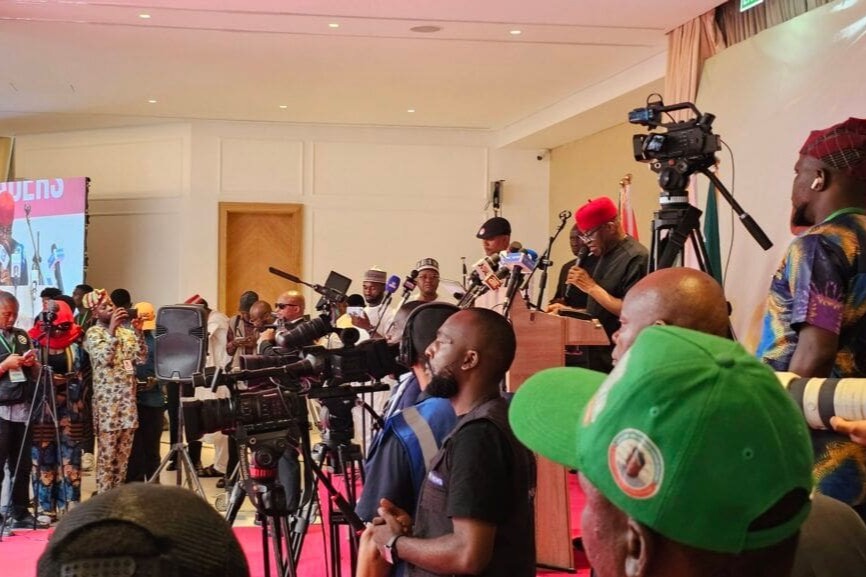
In a move that has stunned diplomatic circles, U.S. President Donald Trump will convene a pared‑down summit with only five West and Central African nations in Washington from 9–11 July 2025, conspicuously omitting Nigeria—Africa’s most populous nation and largest economy—from the guest list.
Leaders of Gabon, Guinea‑Bissau, Liberia, Mauritania and Senegal will join Trump at the White House on 9 July to discuss “commercial opportunities,” signalling a sharp pivot from traditional aid towards a transactional, trade‑focused model under the banner of “America First”.
By contrast, the landmark U.S.–Africa Leaders Summit hosted by President Barack Obama in August 2014 brought together 50 African heads of state (37 of whom were sitting presidents) and top delegation officials for three days of high‑level dialogue and a US\$37 billion U.S. commitment—the largest gathering of its kind in American history.
That event underscored a multilateral approach, with business forums, security partnerships and youth engagement initiatives designed to forge long‑term, reciprocal relations.
Nigeria’s exclusion is all the more glaring given its economic might: with an estimated GDP of US\$188 billion (nominal) in Q1 2025 and a population of over 233 million, it accounts for roughly 15 percent of sub‑Saharan Africa’s economic output.
Bilateral trade between the U.S. and African partners reached US\$71.6 billion in 2024—US\$32.1 billion in exports and US\$39.5 billion in imports—yet Nigeria alone contributes a significant share through mineral fuels and services.
By snubbing Nigeria, Washington risks alienating a regional heavyweight whose market and strategic influence are vital to any truly comprehensive U.S.–Africa engagement.
This summit also crystallises the Trump administration’s radical departure from charity‑driven aid: swathes of U.S. foreign assistance have been slashed, replaced by an insistence on commercial self‑reliance.
On 1 July, Secretary of State Marco Rubio declared that Washington will favour only those nations demonstrating “the ability and willingness to help themselves,” while African envoys will be appraised on deals secured rather than development metrics.
Critics argue this transactional framework undermines longstanding security and humanitarian partnerships, leaving fragile states bereft of support beyond bilateral corporate interests.
The decision to sideline Nigeria not only reflects a transactional worldview but also cedes diplomatic initiative to rival powers.
hina and the EU, which maintain more inclusive engagement platforms, stand ready to deepen ties with Nigeria’s burgeoning market and strategic corridors.
Absent Nigeria, the summit may herald a truncated vision of U.S.–Africa relations—one that prizes immediate deals over enduring alliances and compromises America’s long‑term strategic foothold on the continent.