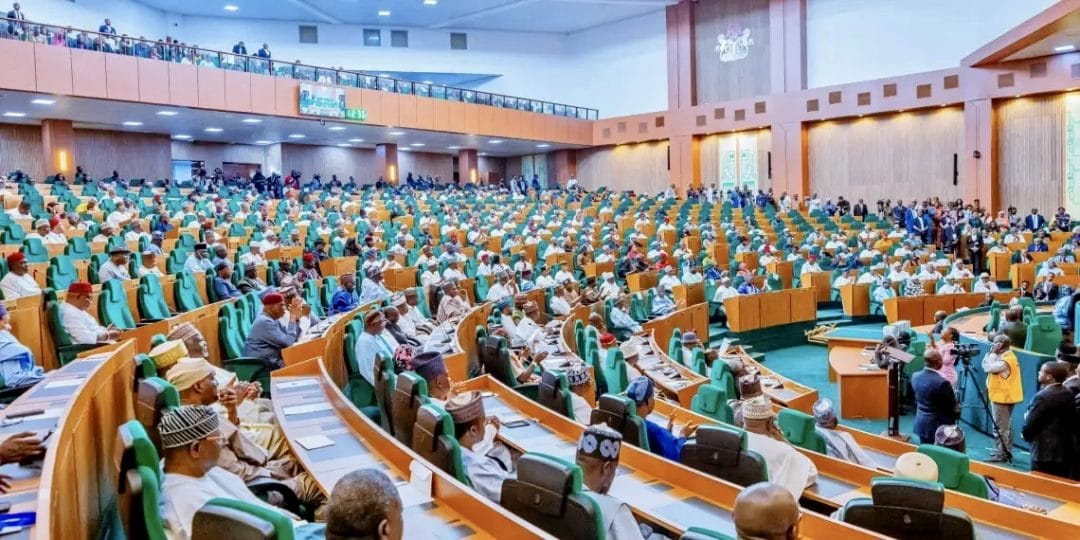
The Nigerian House of Representatives approved a bill to elevate Lagos State’s Development Area Councils to full local government areas, increasing the number of LGAs from 20 to 57. This move aims to enhance local governance but raises concerns over potential inefficiencies and fiscal impact, prompting significant political debate on decentralisation.
ABUJA, Nigeria — In a landmark decision that could redefine local governance in Nigeria, the House of Representatives has given its nod to a bill that would transform Lagos State’s Development Area Councils into full-fledged local government areas (LGAs).
If enacted into law, Lagos will witness a dramatic increase in its LGAs from 20 to 57—an unprecedented move that places the state at the forefront of decentralisation in the country.
Sponsored by Hon. James Abiodun Faleke (Ikeja Federal Constituency), Hon. Babajimi Benson (Ikorodu Federal Constituency) and Hon. Enitan Dolapo Badru (Lagos Island I Federal Constituency), along with 19 other lawmakers, the bill is one of 42 constitutional amendment bills passed in a high-spirited session on Wednesday.
Presided over by Deputy Speaker Benjamin Kalu, the plenary saw the bill scale its second reading, signalling a robust parliamentary endorsement for the proposal.
Critics and supporters alike have offered contrasting views on the proposal. Proponents argue that granting full LGA status to the 37 Development Area Councils will enhance local governance, promote accountability, and lead to more tailored community development.
They maintain that a decentralised administrative structure is key to addressing the specific needs of Lagos’ diverse communities.
Opponents, however, raise concerns about potential administrative inefficiencies and the fiscal burden that such an expansion could impose, questioning whether the benefits of decentralisation will ultimately outweigh the costs.
Notably, if the bill is signed into law, Nigeria’s total number of local governments will surge from 774 to 811, propelling Lagos into the lead as the state with the highest number of LGAs—surpassing Kano’s 44 and Katsina’s 34.
This decision is expected to generate considerable political debate and set a new benchmark in the evolution of Nigerian local governance, marking a bold stride towards reformed decentralisation in the nation.