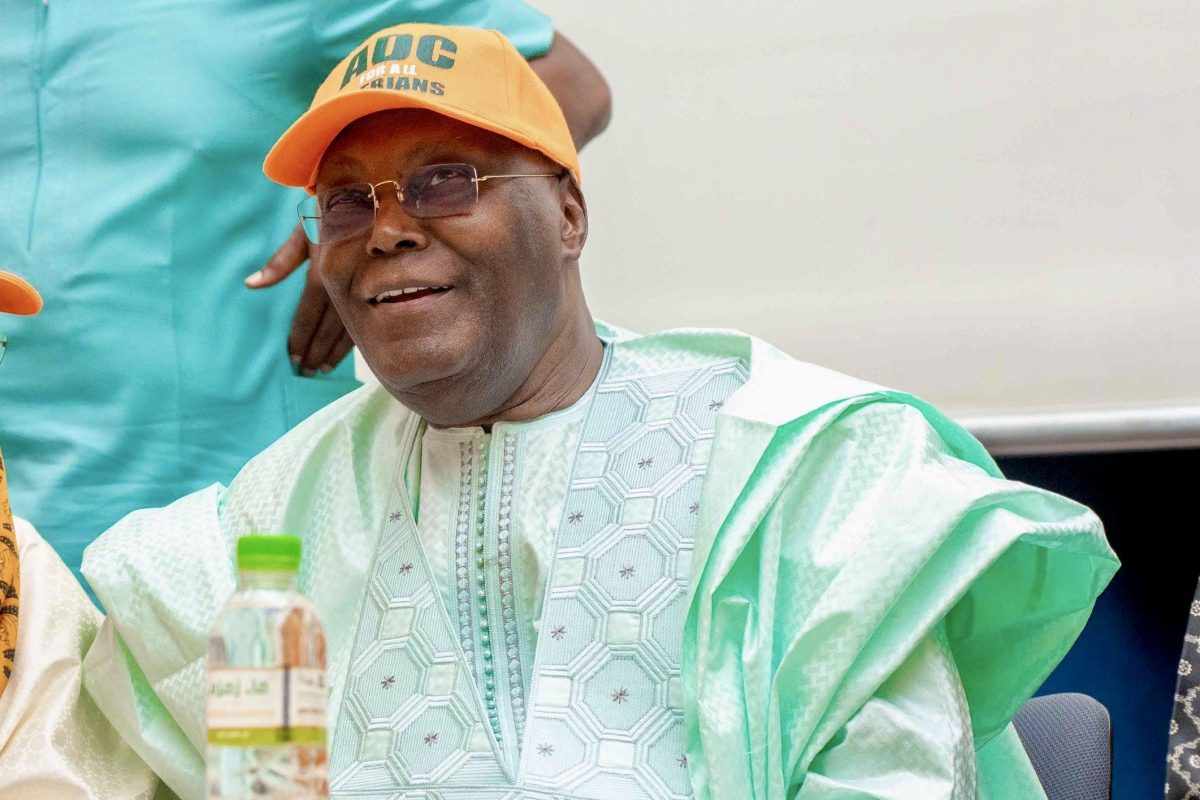
A dispute over how President Bola Tinubu was addressed has opened a second front after Atiku demanded lower petrol and electricity costs, with both sides now trading arguments as the 2027 contest takes shape.
Atlantic Post Investigative Political Report
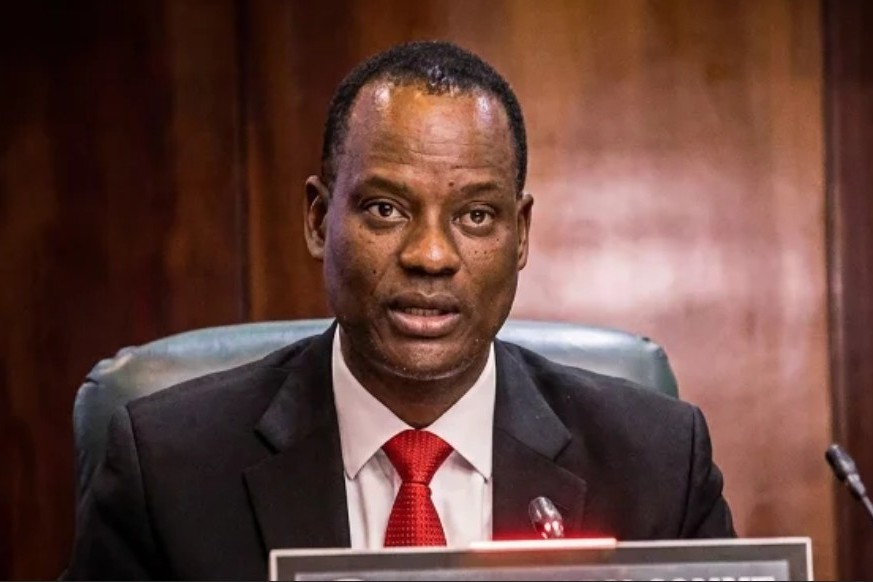
The political dispute between President Bola Ahmed Tinubu and former Vice-President Atiku Abubakar took a sharper turn on Friday after Aviation and Aerospace Development Minister Festus Keyamo criticised the opposition presidential candidate for repeatedly referring to the President as “Bola” during a press conference in Abuja.
Keyamo said the form of address was “very disrespectful and discourteous” and argued that political disagreements should not diminish the dignity attached to the presidency. He also accused Atiku of allowing personal grievances to influence the tone of his remarks.
The clash came only hours after Atiku used his own press conference to press Tinubu to intervene over rising petrol prices, reconsider the planned phase-out of electricity subsidies and move away from relying on palliatives as the main response to the rising cost of living.
That timing is significant.
What began as an argument about the proper way to address a sitting president has become intertwined with a broader political confrontation over petrol pricing, electricity costs, economic reform and the approach Nigeria should take ahead of the 2027 presidential election.
Atiku is now the African Democratic Congress presidential candidate for the 2027 election, while INEC lists January 16, 2027 for the presidential and National Assembly elections.
Keyamo’s Objection
Keyamo, who remains the Federal Minister of Aviation and Aerospace Development, responded on X after Atiku’s address.
“The continuous reference to President Bola Ahmed Tinubu … as ‘Bola’ is very disrespectful and discourteous,” Keyamo said.
He added that regardless of political differences, the office of the President should be accorded the dignity he believes it deserves.
Keyamo went further, saying: “The tone reeks of pain and bitterness in his heart.”
He also challenged what he portrayed as an inconsistency in Atiku’s recent comments on Tinubu’s age.
“After all, he made the outlandish claim the other day that Mr. President is older than himself. It is therefore a contradiction that he would also refer to an ‘elder’ by his first name,” Keyamo said.
The age argument is separate from the central dispute, but it illustrates how quickly a policy debate has moved into questions of political tone, personal familiarity and respect for public office.
What Atiku Actually Said
Atiku’s Friday intervention was primarily about the economy.
Speaking in Abuja, he argued that the removal of petrol subsidy since May 2023 had transmitted higher energy costs through transportation, food distribution, manufacturing and household spending.
“When petrol becomes expensive, transportation becomes expensive. When transportation becomes expensive, food becomes expensive,” he said.
His wider argument was that the effects of energy prices could no longer be treated as an isolated issue affecting motorists.
According to Atiku, farmers pay more to move produce, traders pay more to stock their businesses and workers pay more to commute. He argued that businesses then pass higher logistics and energy costs through the economy.
“When government makes energy expensive, it makes life expensive,” he said.
Atiku also revived a previous disagreement with Tinubu over government intervention in petrol pricing.
He said his earlier proposal for intervention had been dismissed by the President as showing “serious ignorance” of governance and the economy. Atiku responded that criticism from workers, manufacturers, petroleum marketers and families should force government to reassess the consequences of its policies.
He then made his most politically pointed appeal.
“Bola Tinubu should not be ashamed to do what is necessary to lower the price of petrol simply because Atiku Abubakar proposed a government intervention,” he said.
“He should just take the idea. Rename it if he wishes. And even take the credit. What matters to me is that Nigerians pay less.”
That repeated use of “Bola” is what triggered Keyamo’s response.
The Petrol Question Behind the Personal Row
The dispute is unfolding against a fresh increase in petrol prices.
Dangote Petroleum Refinery raised its gantry price from ₦1,265 to ₦1,350 per litre on September 12, 2026, the fourth upward adjustment since August 21. PUNCH reported that the refinery’s gantry price had risen by ₦185, or about 15.9 per cent, in 22 days.
Retail prices subsequently moved higher in parts of Lagos, Ogun and Abuja. PUNCH reported pump prices of up to ₦1,395 per litre in parts of Lagos and Ogun, while a September 16 report put some NNPCL outlets in Abuja at as much as ₦1,430 per litre.
That price movement gives context to Atiku’s intervention.
His proposal is not simply a call for a cheaper pump price. He says government should consider a production-based intervention targeted at petroleum refined in Nigeria rather than an import subsidy.
According to the proposal he outlined on Friday, only qualifying products refined domestically would receive support, imported products would be excluded, spending would be capped and the programme would require National Assembly approval and independent audits.
The distinction matters because it places Atiku’s proposal within the larger policy shift that followed the 2023 subsidy removal.
It also raises questions that the political argument alone does not answer.
How much would such an intervention cost?
Who would qualify?
How would government verify domestic refining?
What price reduction would consumers actually see?
And how would the programme avoid recreating the opacity and fiscal burden associated with the old subsidy regime?
Atiku provided a framework at the press conference, but the full fiscal and regulatory implications would require detailed costing and implementation rules before the proposal could be assessed.
Electricity Is the Second Front
Atiku’s warning extended beyond petrol.
He criticised the Federal Government’s stated plan to phase out electricity subsidies from 2027 and move the market further towards cost-reflective tariffs.
The government’s position is more nuanced than simply announcing an immediate tariff increase.
Power Minister Joseph Tegbe said in July that the Federal Government intended to end what he called the electricity subsidy while insisting there was no immediate policy to raise tariffs beyond their prevailing levels. He also said government was working on measures to protect vulnerable consumers.
The reform is tied to a deeper problem in Nigeria’s power market: accumulated debts and the gap between the cost of supplying electricity and the revenue collected from consumers.
The government has described subsidy reform as part of an effort to put the sector on a more sustainable financial footing. NERC continues to issue monthly tariff and energy-cap orders as the electricity market evolves.
Atiku’s argument is that the petrol experience should serve as a warning.
“Do not remove first and think later. Do not impose the pain first and search for palliatives afterwards,” he said.
His point is political, but it is also tied to a practical economic question: whether households and businesses can absorb another major energy-cost adjustment without corresponding improvements in earnings, productivity or electricity supply.
The Palliatives Argument
Atiku also attacked the continued use of palliatives as a response to economic hardship.
His most memorable formulation was blunt:
“Palliatives manage pain. Good policy addresses the source of the pain.”
The statement captures the distinction at the heart of his broader argument.
Palliatives are designed to cushion the effects of higher prices. Structural reforms are supposed to change the conditions producing those higher prices.
The political disagreement is therefore not simply about whether Nigerians need relief.
It is about what form that relief should take and who bears the cost of providing it.
A Fight Bigger Than One Word
The “Bola” controversy matters because it has changed the immediate political conversation.
Before Keyamo’s response, Atiku’s appearance was dominated by petrol prices, electricity costs, subsidies and household hardship.
After the minister’s intervention, the language used to address Tinubu became a story in its own right.
Yet the underlying economic questions remain.
Petrol prices have climbed again in September.
The government has reaffirmed its intention to end electricity subsidies from 2027.
Atiku is using the economic pressure to challenge Tinubu’s reform strategy.
Keyamo is now challenging the tone and manner in which the opposition candidate is addressing the President.
The two disputes are connected by the approaching election, but they are not the same dispute.
Atiku is a presidential candidate making a policy argument against the incumbent.
Keyamo is a serving minister defending the dignity of the office and criticising Atiku’s language.
For voters, the unresolved issue is the substance beneath the political exchange: what combination of subsidy policy, energy pricing, domestic refining, electricity reform and targeted support can lower costs without creating another unsustainable fiscal burden.
The political contest will continue.
So will the price debate.
And the word “Bola” has now become part of that contest.
Follow us on our broadcast channels today!
- WhatsApp: https://whatsapp.com/channel/0029VawZ8TbDDmFT1a1Syg46
- Telegram: https://t.me/atlanticpostchannel
- Facebook: https://www.messenger.com/channel/atlanticpostng