By Editor
ABUJA, Nigeria — The organisers of the #FearlessOctober1 protest have proclaimed explicitly their plan to hold nationwide rallies on October 1st, 2024, despite pressure from Nigerian police, the Department of State Services (DSS), and military officials. This day, Nigeria’s 64th independence anniversary, is also expected to be a watershed point in the ongoing conflict between Nigerian youths and the federal government over the hard economic realities brought about by the elimination of gasoline subsidies and the rapid devaluation of the currency.

As tensions rise, the Take It Back (TIB) Movement, one of the principal organisations behind the demonstration, remains unwavering in its call for nationwide mobilisation, particularly at strategic areas like as Eagle Square in Abuja and Ikeja Under Bridge in Lagos. The organisers stressed that demonstrating is a constitutionally guaranteed right that cannot be curtailed by government agents or security personnel in an official communication to Inspector General of Police Kayode Egbetokun. This meeting creates the foundation for what could turn out to be one of Nigeria’s biggest civil movements since the 2020 #EndSARS demonstrations.
Nigeria at a Turning Point: The Independence of a Nation Shadowed by the Crisis
Widespread demonstrations against the government in charge of the nation’s development and stability now run the risk of overshadowing Nigeria’s Independence Day, which has historically been a day of pride and celebration for the entire country. The youth of the country have voiced their collective complaint through the #FearlessOctober1 protest, spearheaded by activist groups like the Take It Back Movement and individuals like Omoyele Sowore and Deji Adeyanju, believing that the Bola Tinubu administration has abandoned them. Millions of Nigerians are now even more impoverished as a result of the suffering brought on by the removal of fuel subsidies and the sharp depreciation of the naira.
An additional symbolic element of disobedience is added by having the demonstration in Eagle Square, the same venue as the official Independence Day parade. It’s a powerful message that conveys the dissatisfaction of many Nigerians, especially the younger generation, who no longer see independence as a cause for celebration given the status of the country’s economy. The demonstrators are making a strong statement to the administration by choosing such a prominent and contentious site: the struggle for social and economic justice cannot be ignored or downplayed.
An Expanding Movement: Countdown until October 1st
The Take It Back Movement, led by its National Coordinator, Juwon Sanyaolu, and Director of Mobilisation, Damilare Adenola, has been at the forefront of rallying Nigerians to the streets. Sanyaolu has reiterated that the removal of fuel subsidies and the consequent rise in fuel prices have had a devastating effect on ordinary citizens. “We have also written to the Inspector General of Police, informing him of our protest locations and reminding him of the constitutional duty of the police to protect protesters as opposed to the repression we have witnessed in times past,” Sanyaolu declared.
Protest organisers have stated that demonstrations will occur in other states, indicating that this mobilisation push has struck a chord with Nigerians around the nation. Lagos, Nigeria’s commercial centre, and Abuja, the nation’s political capital, continue to be the main areas of attention. It is anticipated that the gathering of protestors at these locations will increase tensions as security guards brace themselves for potential problems.
The Role of Security Agencies: A Delicate Balance
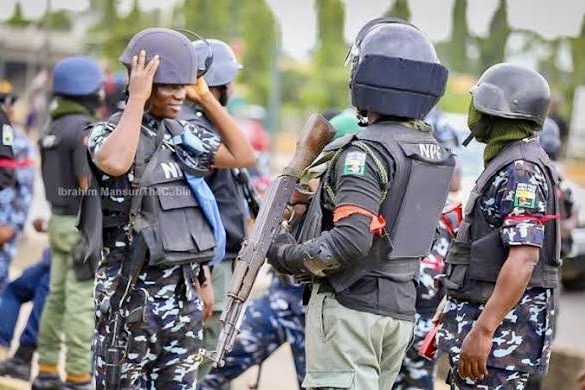
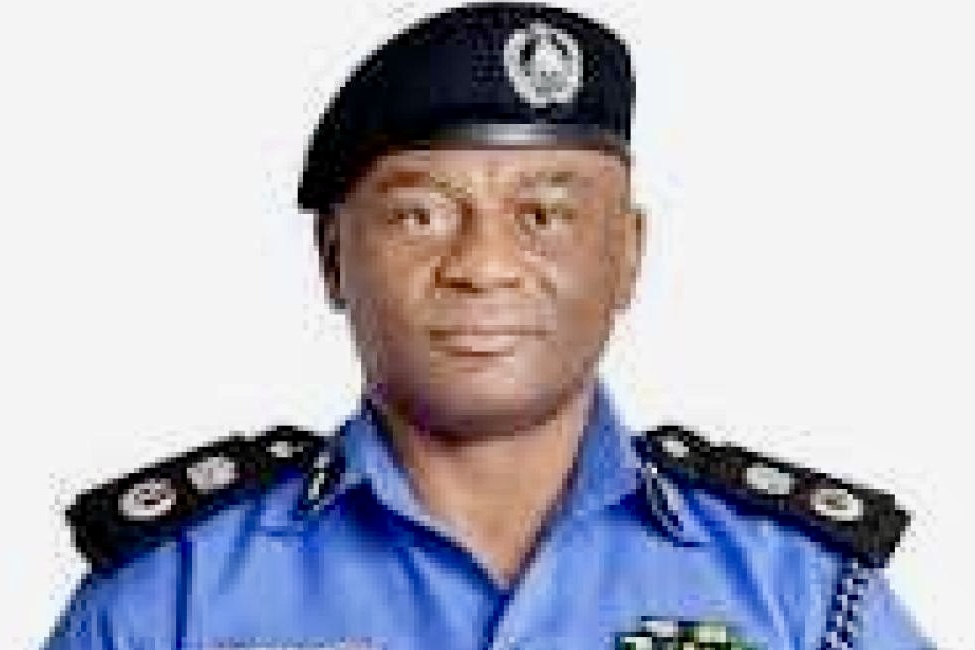
The response from the Nigerian government has been one of caution and preparedness. Inspector General of Police Kayode Egbetokun has already issued a directive to zonal and state police commands to deploy officers to strategic locations starting from Monday, September 30, 2024. The IG’s orders include instructions for policemen to dress in camouflage, a move likely intended to deter protesters by projecting a strong and militarised presence.
This approach, however, risks escalating tensions further, as the history of police interactions with protesters in Nigeria has often been fraught with violence and repression. The IG has reportedly asked police officers to engage civil society groups and discourage them from participating in the protests, but this strategy seems unlikely to dissuade a movement that has gained momentum despite previous crackdowns.
For Omoyele Sowore, a key leader in the #FearlessOctober1 protest, the threats and posturing from security agencies are nothing new. “We are not afraid of the police, and the protest will hold as planned,” Sowore said in an interview. He stressed that there is no reason to be concerned about possible violence during the protests, noting that the organisers have always adhered to the guidelines for nonviolent protest.
Nigerian security personnel have previously been charged for restricting the right to protest. A number of activists were detained and imprisoned during the August #EndBadGovernance demonstrations, which put a stop to additional protests. However, lawyer Deji Adeyanju, who represents the #FearlessOctober1 organisers, claims that such acts constitute a clear infringement of constitutional rights. “The police do not have the authority to summon demonstrators, as they are currently doing. “It is the police’s responsibility to protect protesters whenever they stage a demonstration,” Adeyanju said.
A Repeat of #EndSARS?
Many Nigerians are reminded of the #EndSARS movement, a nationwide protest against police brutality in 2020 that revealed more profound sociopolitical and economic issues, by the #FearlessOctober1 demonstration. The campaign culminated in the notorious Lekki Toll Gate disaster, which drew strong domestic and international criticism after security guards opened fire on nonviolent protestors.
There is no denying the links between the #EndSARS movement and the current #FearlessOctober1 demonstrations. Teenagers from Nigeria spearheaded both movements because they felt that the system was indifferent to their plight. The government and security agencies have responded to both with harsh measures. Additionally, if the administration doesn’t deal with the underlying issues that led to the protests, both might spark a great deal of instability.
But this time, there might be even greater stakes. While #EndSARS was primarily concerned with ending police brutality, the #FearlessOctober1 demonstration addresses a broader variety of concerns that touch the daily lives of all Nigerians. These include reversing the elimination of fuel subsidies, amending the constitution, and reforming the legislative system. The rally organisers have also demanded for the unconditional release of individuals who remain in police custody following the August demonstrations.
The recurrence of these demands reflects Nigerians’ growing dissatisfaction. As economic misery intensifies and no clear answers are in sight, many fear that Nigeria could see prolonged civil strife.
The Economic Reality Behind the Protests
The protest is around the problem of economic mismanagement. The administration of President Bola Tinubu promoted the removal of fuel subsidies, which was seen as an essential step in lessening the burden on public coffers. But the immediate effects on Nigerians have been terrible, driving up petrol prices and making living expenses impossible for millions of people.
The sharp devaluation of the naira, which has led to a major rise in the price of imported goods and services, made the choice to end the subsidy all the more difficult. These economic policies haven’t done anything but make poverty and living standards worse for a large number of Nigerians. This grim reality has motivated so many people to take to the streets in protest.
According to Adenola, the government’s economic policies are unsustainable and have done little to solve the country’s pressing concerns. “People are facing hardship, and the government is telling them not to protest. It is just natural; people have to speak up against this hardship inflicted by President Bola Tinubu’s government,” Adenola said.
The Potential for Violence: A Government-Engineered Outcome?
One of the most alarming parts of the forthcoming demonstration is the possibility of violence. Despite the fact that the organisers have emphasised how nonviolent their protests are, there are worries that the security forces would encourage conflict. Additionally, as it has in the past, the government might encourage thugs to infiltrate the demonstration in an effort to weaken the movement and provide justification for a severe response.
Peluola Adewale, Secretary of the Democratic Socialist Movement, has warned against using such techniques. “We cannot rule out the fact that the government can sponsor violence to discredit the protest, but we want to warn them against that,” Adewale told the audience. He encouraged the government to respect citizens’ rights to free expression and assembly, saying that any attempt to restrict the demonstration would simply exacerbate the dissatisfaction and fury that was already building among the public.
Conclusion: October 1st, A Test of Nigerian Democracy.
The stage is being prepared for a battle that might have a significant impact on Nigeria’s political and economic future as October 1st draws near. The #FearlessOctober1 demonstration is a battle for Nigeria’s spirit, a nation whose immense potential has been stunted by years of mismanagement, corruption, and bad government. It goes beyond calling for the elimination of fuel subsidies or the depreciation of the currency.
The Tinubu administration now confronts a vital test: will it respond to its citizens’ genuine problems via dialogue and reform, or will it use the same repressive and violent techniques that have typified previous governments? For the millions of Nigerians prepared to take to the streets on October 1st, the answer to this issue will determine not just the success of the protest, but also the future orientation of Nigeria’s democracy.
With reporting from Osaigbovo Okungbowa, Senior Political Correspondent, Atlantic Post.