Court Grants Bail To Sowore, Aloy Ejimakor And 11 Others After #FreeNnamdiKanuNow Demonstration
A Magistrate’s Court in Kuje, Abuja, on Friday delivered a decision that will reverberate through the winter courtroom cycle and across Nigeria’s fractious politics. The court admitted publisher and activist Omoyele Sowore to bail. It also admitted barrister Aloy Ejimakor, Prince Emmanuel Kanu, and ten other demonstrators. Their bail is set at the sum of ₦500,000 each with two sureties in like sum.
The sureties must show three years’ tax clearance and valid identification including a verifiable National Identification Number or international passport. The matter was adjourned to 15 December 2025 for hearing.
The arrests came after the #FreeNnamdiKanuNow demonstration in Abuja on Monday 20 October. According to police filings and subsequent court pleadings, 13 defendants were named. They were listed in amended First Information Reports.
These reports covered offences ranging from criminal conspiracy and unlawful assembly to inciting disturbance and disturbance of public peace. The amended FIR was introduced to the court on the day of arraignment. It served to fold Omoyele Sowore’s separate arrest into the main file.
Who Was Charged And Where They Were Held
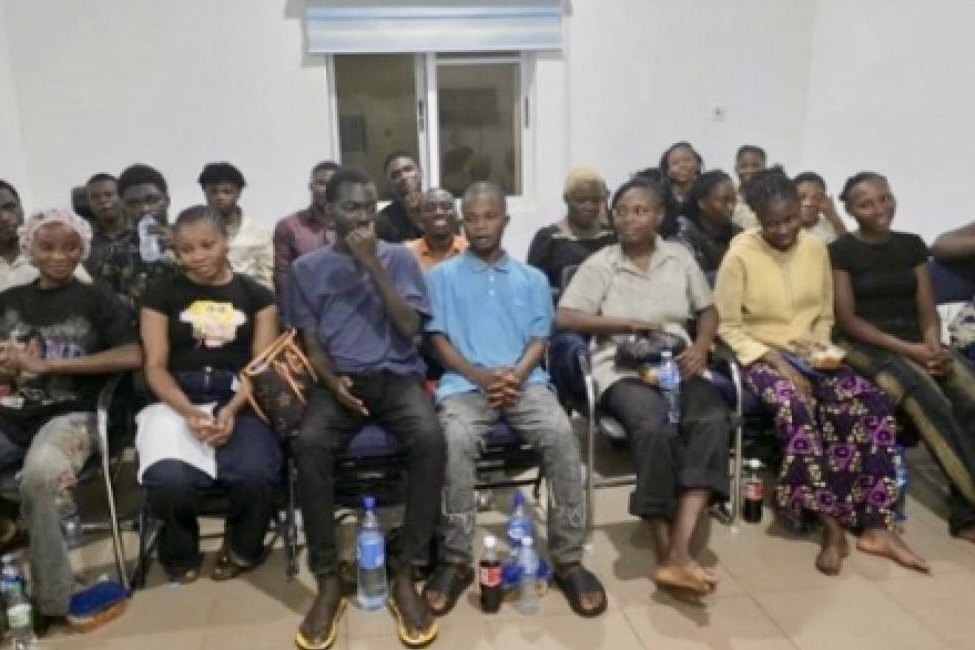
The list of those arraigned reads like a snapshot of recent Nigerian political turbulence. The defendants include 13 individuals. They are Omoyele Sowore, Aloy Ejimakor, and Prince Emmanuel Kanu. Others are Joshua Emmanuel, Bishop Wilson Anyalewechi, and Okere Kingdom Nnamdi. Also included are Clinton Chimeneze, Gabriel Joshua, and Isiaka Husseini. Completing the list are Onyekachi Ferdinand, Amadi Prince, Edison Ojisom, and Godswill Obiama.
Ejimakor, Emmanuel Kanu, and most of the others were arrested at the scene of the protest. They were remanded at Kuje Correctional Facility. Sowore was taken into custody on 23 October at the Federal High Court premises. He had attended proceedings in solidarity with the detained IPOB leader.
The Charges And The Police Case
The amended charge sheet reads as a catalogue of public order offences. Sections of the Penal Code were invoked to allege criminal conspiracy. They also alleged membership of an unlawful assembly. The allegation included joining or continuing in unlawful assembly knowing it had been commanded to disperse. Additionally, it charged disobedience of an order promulgated by a public servant and inciting disturbance.
The police alleged that demonstrators obstructed citizens. They claimed that the protestors disrupted traffic and chanted war songs. The manner of these actions could threaten national security. Unsurprisingly, the prosecution resisted bail, filing a 13-paragraph counter-affidavit which it said justified refusal.
Defence counsel successfully argued that the counter-affidavit carried an incorrect cause number and was consequently not properly before the court. The magistrate accepted that submission and declined to rely on documents filed in another matter.
Why The Legal Technicality Mattered
The magistrate’s ruling turned on fundamental procedural principles. A counter-affidavit that does not relate to the proceedings before a court is, in law, of doubtful relevance. The defence noted an important discrepancy. The prosecution’s counter-affidavit bore a different case number, CR/252/2025. The matter before the bench was CR/253/2025.
The court agreed. It did not rely on material filed in a separate suit to deny liberty to those before it. That narrow procedural point delivered a practical outcome. The decision is a reminder that in contested political cases even small administrative errors can have large human consequences.
Sowore And Kanu In Context
To understand why Friday’s hearing attracted national attention one must look back. Omoyele Sowore is not a newcomer to confrontation with the state. The Sahara Reporters founder and erstwhile presidential candidate has led high profile protests before. He was arrested in 2019 in connection with the #RevolutionNow protests and charged with offences including conspiracy to commit treason.
His record as an activist and his run for the presidency mark him as a public figure. His arrest immediately generates civil society scrutiny. It also attracts diplomatic interest.
Nnamdi Kanu’s saga is longer and more complex. The IPOB leader has been at the centre of a titanic legal and political fight for years. After jumping bail in 2017, his re-arrest and return to Nigeria in 2021 was surrounded by controversy.
In June 2025 a Kenyan High Court declared his abduction and transfer to Nigeria unlawful. That judgment has heightened attention to proceedings in the Federal High Court. Kanu faces terrorism-related charges there. His legal team continues to challenge jurisdiction and other issues central to the fairness of the trial.
The #FreeNnamdiKanuNow protests are thus a direct echo of a broader political struggle that stretches across courts and borders.
The Police Response And Civic Space
The police assert that their intervention was necessary to preserve public order. They also aim to protect the free movement of other citizens. The force has repeatedly said that orders to disperse were ignored. They claim that some demonstrators engaged in conduct that could be construed as threatening.
Human rights groups have countered that the right to peaceful assembly is guaranteed by the constitution. They argue that heavy-handed policing risks further radicalising public discourse.
Those competing narratives play out daily in Nigerian courts and on social media. The quick filing of amended FIRs has become common. Authorities often use public order legislation to manage political dissent.
What The Bail Conditions Mean Practically
Bail in high profile political cases is often a delicate balancing act. Magistrates will condition release on sureties, tax clearance, valid identification and sometimes a promise. The inclusion of a verifiable NIN and three years’ tax clearance is significant. It places a document heavy burden on sureties and complicates immediate compliance for some.
For public figures with resources these conditions will be manageable. For less well known defendants, the release can be delayed. This occurs despite the court’s nominal grant of bail. The Kuje order thus offers freedom but not entirely without friction.
Wider Implications For The Courts And Political Actors
The magistrate’s reliance on procedure to protect liberty carries lessons. First, courts continue to be an essential check on executive and prosecutorial power. Second, technical errors by police prosecutors can be decisive. Third, the continued collision between protest movements and security forces will produce more litigation.
The adjournment to 15 December 2025 gives the defence team time to shore up procedural defences. It allows them to press on substantive issues that will arise when the prosecution asks the court to consider evidence. It also allows civil society to monitor compliance with bail conditions and to report any breaches or further arrests.
What To Watch Next
- Whether the prosecution corrects its filings and re-frames its evidence to cure the earlier procedural lapse.
- The treatment of Sowore and other public figures in custody if re-arrested or re-charged.
- Any international follow up to the Kenya High Court decision on Kanu’s rendition is important. It can have a ripple effect on the Federal Government’s approach to the case.
For now the decision in Kuje is a narrow victory for due process. It temporarily restores liberty to well known activists. It also provides freedom to lesser known protesters who found themselves on the sharp end of a national confrontation. But the fundamental disputes that drove the demonstration remain unresolved.
The court process will continue and with it the politics. The December hearing will prove a turning point. Alternatively, it is another chapter in a lengthy legal contest. This will engage lawyers, judges, and the public for months ahead.
Follow us on our broadcast channels today!
- WhatsApp: https://whatsapp.com/channel/0029VawZ8TbDDmFT1a1Syg46
- Telegram: https://t.me/atlanticpostchannel
- Facebook: https://www.messenger.com/channel/atlanticpostng