Plateau State faces severe turmoil after a coordinated attack by gunmen on April 2, resulting in 40 deaths, the destruction of 383 homes, and over 1,000 displacements. This incident highlights Nigeria’s ongoing security crisis, prompting calls for a comprehensive reform of security measures as local communities endure relentless violence and economic despair.
JOS, Plateau — In a stark demonstration of escalating violence, Plateau State has been plunged into chaos following a savage assault that left 40 people dead, 383 houses razed, and over 1,000 residents displaced.
This latest attack, reported on April 2 in Hurti and surrounding communities within Manguna District of Bokkos Local Government Area, starkly reveals the extent of Nigeria’s persistent security dilemma.
The horrifying incident unfolded at approximately 3 p.m. when a band of well‐organised gunmen, arriving on motorcycles, unleashed a coordinated onslaught on the community.
Village Head Mr Maren Aradong provided chilling details during an assessment visit led by the Secretary to the State Government, Mr Samuel Jatau, in Jos.
“In Hurti alone, these gunmen killed more than 40 people and displaced about 1,000 persons,” he recounted, adding that the attackers not only slaughtered residents but also burnt 383 houses, looted foodstuff and other vital commodities. This brutal act of violence has left families shattered and the local economy in ruins.
Governor Caleb Mutfwang has been quick to categorically dismiss any attempt to downplay the incident as a mere farmer-herder clash. Instead, he argues that this is a calculated, coordinated crime spurred by conflict merchants whose ulterior motives exacerbate the state’s already volatile security environment.
Retired Brigadier-General Gagji Shipi, now coordinating Operation Rainbow, similarly described the incident as a “major setback” to peace efforts.
He lamented that the ruthless nature of these attacks is a damning indictment of the current security apparatus, one that continues to fail in protecting innocent lives.
The government’s response, although swift in deploying relief materials such as mattresses, sleeping mats, and bags of rice, has been met with scepticism by locals. Many residents are now questioning whether these piecemeal measures can ever substitute for robust and proactive security operations.
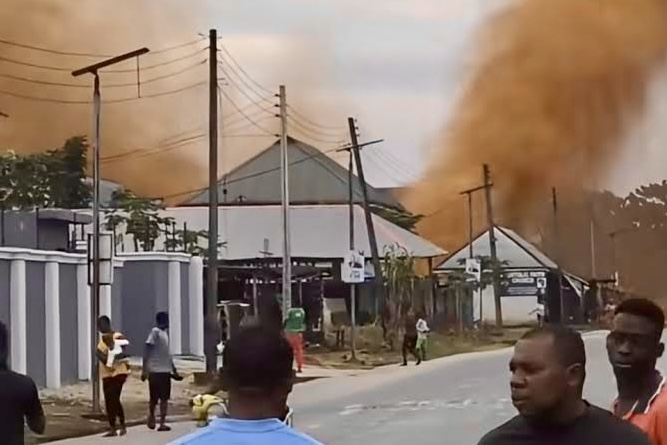
The stark imagery of burnt homes and displaced citizens has ignited a fierce debate on the effectiveness of current policies, and the urgent need for a comprehensive review of Nigeria’s security framework.
Critics argue that the inability of security forces to pre-empt and prevent such incidents points to a deeper, systemic failure. The community’s plea for increased security personnel in the affected areas is a damning reminder of the long-standing neglect by successive governments.
Indeed, with each successive attack, the cycle of violence deepens, leaving rural communities in a state of perpetual fear and economic despair.
This relentless violence is not just a series of isolated incidents but a symptom of a much larger crisis — one that implicates governmental oversight, inadequate intelligence gathering, and a failure to curb the activities of well-armed criminal networks.
In an era where technological advancements should ostensibly bolster national security, Nigeria’s plight remains deeply paradoxical. The federal government’s call for solidarity and immediate support for the displaced is a fragile balm against the searing pain inflicted by these atrocities.
Yet, as local residents watch their communities burn, many are left questioning whether governmental assurances will ever translate into tangible, long-term change.
The tragic events in Plateau should serve as a clarion call to all Nigerians and the international community alike: it is high time that Nigeria confronts its internal security challenges head-on.
Only a decisive, transparent, and comprehensive overhaul of the security system can restore hope and ensure that such brutal attacks cease to become a recurring nightmare.