By Suleiman Adamu, Senior National Security/Defence Correspondent
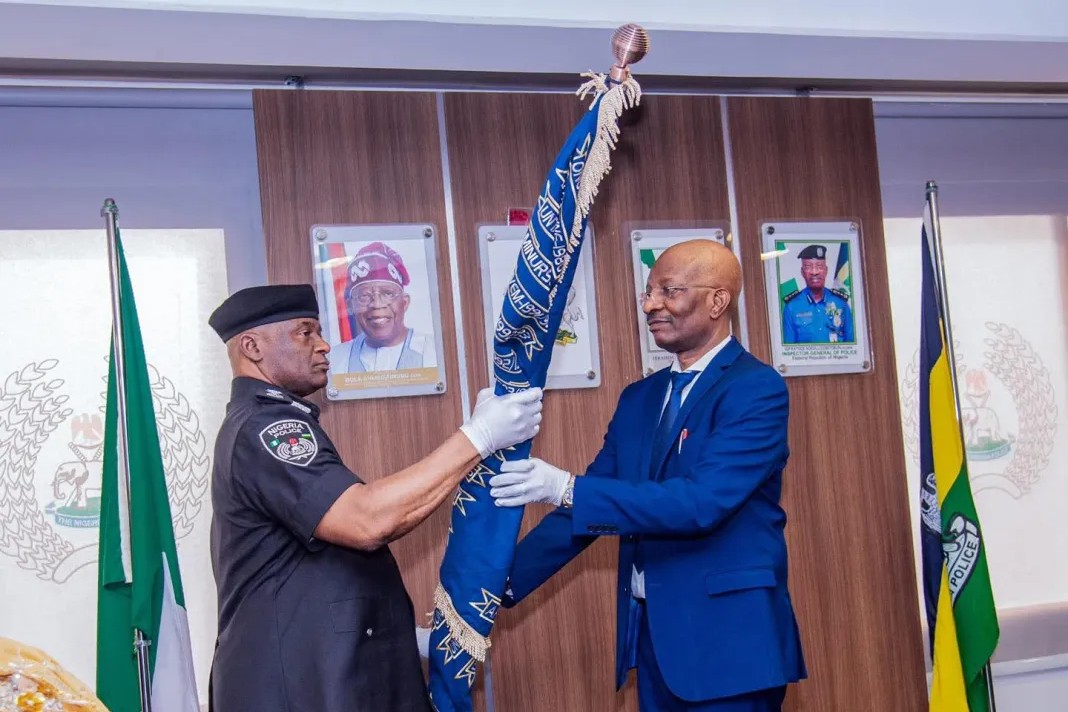
In a decisive move to tackle the pervasive issue of oil theft and pipeline vandalism in Nigeria, the Inspector-General of Police, IGP Kayode Adeolu Egbetokun, Ph.D., NPM, has appointed Deputy Commissioner of Police, DCP Bayonle Kafar Sulaiman, as the new Commanding Officer of the Inspector-General of Police Special Task Force on Petroleum and Illegal Bunkering (IGP-STFPIB). This development, announced in a press release from the Force Headquarters in Abuja, marks a significant restructuring aimed at enhancing the effectiveness of the task force and ensuring excellent service delivery.

A New Commander with a Proven Track Record
DCP Bayonle Kafar Sulaiman is no stranger to the challenges of combating organized crime. His tenure as the Squadron Commander of Police Mobile Force 20 in Lagos showcased his ability to lead high-stakes operations. As he steps into his new role, expectations are high for his leadership to bring a new level of rigor and strategic oversight to the IGP-STFPIB.
IGP Egbetokun’s choice of Sulaiman underscores a commitment to leveraging experienced leadership in the fight against economic sabotage. The appointment is part of a broader effort to revamp the task force and bolster its operational capabilities. Sulaiman’s mandate is clear: to lead the charge against illegal activities in the petroleum sector, including oil theft, illegal bunkering, and pipeline vandalism.
The Gravity of Oil Theft and Pipeline Vandalism
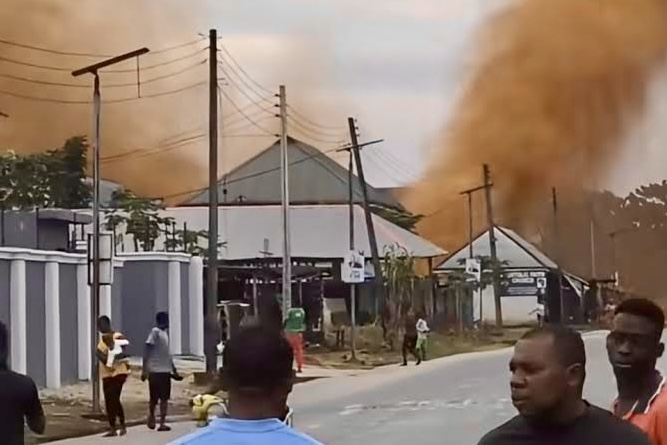
The issue of oil theft and pipeline vandalism is a multi-faceted crisis that strikes at the heart of Nigeria’s economic stability and environmental health. The IGP’s press release highlighted the severe implications of these illegal activities, emphasizing their role in significant financial losses and environmental degradation. Oil spills, pollution, and habitat destruction are just a few of the devastating consequences that underscore the urgency of addressing this menace.
IGP Egbetokun’s condemnation of these activities reflects a broader sentiment of frustration and urgency within the Nigerian government. The economic ramifications are staggering, with billions of naira lost annually to oil theft. Beyond the financial toll, the environmental impact is equally alarming, contributing to long-term ecological damage and posing health risks to local communities.
The Task Ahead for DCP Sulaiman
As the new Commanding Officer of the IGP-STFPIB, DCP Sulaiman faces a daunting task. His directive from the IGP includes leading the task force with an iron fist, ensuring that all individuals involved in these illegal activities are prosecuted to the fullest extent of the law. The emphasis on prosecution aims to create a strong deterrent against future infractions.
Furthermore, Sulaiman is expected to deploy all available resources to prevent economic sabotage within both the upstream and downstream sectors of Nigeria’s oil industry. This includes collaborating closely with other security agencies and industry stakeholders to ensure a coordinated and comprehensive approach to tackling these crimes.
The Role of Stakeholders and Public Cooperation
The fight against oil theft and pipeline vandalism cannot be waged by the police alone. IGP Egbetokun’s call for cooperation from all relevant stakeholders in the oil industry and well-meaning Nigerians highlights the need for a collective effort. Sharing credible intelligence with security agencies is crucial to exposing and thwarting the plans of those involved in these illicit activities.
This appeal for public cooperation is not just a formality; it is a strategic necessity. Community involvement can significantly enhance the effectiveness of law enforcement efforts. Local knowledge and intelligence can provide invaluable insights into the operations of criminal networks, aiding in the swift and decisive action against perpetrators.
Legal and Political Ramifications
The restructuring of the IGP-STFPIB and the appointment of DCP Sulaiman carry significant legal and political implications. On the legal front, the enhanced focus on prosecution and deterrence could lead to a higher number of convictions and a reduction in oil theft activities. However, this will require meticulous adherence to due process and the rule of law to ensure that justice is served without infringing on the rights of suspects.
Politically, the move signals a strong commitment from the Nigerian government to address economic sabotage head-on. It reflects an understanding of the broader impact of these crimes on national security and economic stability. The success of this initiative could bolster public confidence in the government’s ability to protect the nation’s resources and uphold the rule of law.
Conclusion
The appointment of DCP Bayonle Kafar Sulaiman as the new Commander of the IGP-STFPIB represents a pivotal moment in Nigeria’s ongoing battle against oil theft and pipeline vandalism. With a mandate to lead with decisiveness and integrity, Sulaiman’s leadership will be critical in driving forward the task force’s mission.
IGP Egbetokun’s restructuring efforts and stern condemnation of economic sabotage underscore the gravity of the issue and the urgent need for effective action. As Nigeria grapples with the complex challenges of safeguarding its petroleum industry, the collective effort of law enforcement, industry stakeholders, and the public will be essential in curbing this menace and securing a stable and prosperous future for the nation.
Call to Action
This report calls on all Nigerians to support the efforts of the IGP-STFPIB by remaining vigilant and providing credible information to security agencies. Together, we can combat the scourge of oil theft and pipeline vandalism, ensuring a more secure and prosperous future for Nigeria.