Benue State has once again been drenched in blood, and the killing of Alhaji Ardo Risku Muhammad has exposed a familiar Nigerian cruelty, the tendency to move fast when a powerful man dies, but slowly when nameless villagers, women and children are slaughtered.
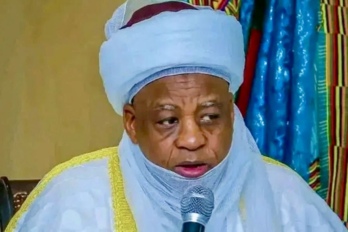
The Sultan of Sokoto has demanded a “comprehensive, transparent, and impartial investigation” into Risku’s killing, while Benue police say they have arrested 10 suspects and Governor Hyacinth Alia has ordered a probe.
No serious observer should oppose justice in the MACBAN chairman’s case. The harder question is why the same moral heat is not always sustained when Benue’s farming communities are massacred in far greater numbers.
Risku was killed on 26 June 2026 in an ambush at Okudu village, Otukpo Local Government Area, shortly after attending a peace meeting in Ohimini. His associate, Yakubu Isah, was also killed.
Punch reported that the deceased had been returning from a peace dialogue, while SaharaReporters said the attack came barely an hour after the meeting and described the killing as suspicious.
MACBAN itself called the attack a “dastardly and deeply disturbing act” and said the timing raised serious concerns that must be investigated.
That sequence matters because it suggests not only murder, but an assault on the fragile idea that peace meetings in Benue still mean something.
Yet the deeper scandal is that Benue has been living through repeated mass death for years. Reuters reported at least 100 killed in Yelewata in June 2025, with Amnesty International saying many victims were “locked up and burnt inside their bedrooms”.
In February 2026, Reuters reported that Nigerian prosecutors filed 57 terrorism-related charges against nine men over the same massacre, which killed about 150 people.
Amnesty later warned that the Nigerian authorities had “failed the people of Benue state again and again” and said the humanitarian crisis was worsening. This is the wider context in which every selective burst of outrage has to be judged.
The scale of the Benue bloodshed is what makes the public anger so sharp. In May 2025, the Guardian reported 42 deaths across four communities in Benue, including women and young children.
Reuters then documented the Yelewata massacre a month later, while Amnesty said more than 10,000 additional people had been displaced since the start of 2025, on top of an already vast displaced population in the state.
Benue is not dealing with an isolated tragedy. It is dealing with a sustained collapse of civilian protection, where the dead are counted in dozens and hundreds, and the living are pushed into camps, fear and permanent mourning.
This is where the Sultan’s latest intervention becomes politically sensitive. The Sultan-led Jama’atu Nasril Islam did speak on Benue’s killings in June 2025, saying it was “deeply pained” by the “gruesome killings and bloodletting” and warning that security operatives too often arrive only after “the damage has been done”.
That is not silence. But it is also not the same thing as sustained national mobilisation. The contrast now is not about whether the Sultan cares at all. It is about why his voice becomes louder, more urgent and more personalised when a MACBAN leader is killed, while the deaths of rural families tend to be absorbed into the background noise of Nigerian insecurity.
That distinction is important because public grief in Nigeria is not neutral. It travels through power, identity, proximity and media attention. A prominent pastoralist leader gets a prompt statement, a demand for justice and a visible institutional response.
Benue villagers, many of them women and children, are too often left with condolence visits, generic promises and late arrests. The state government and police have moved quickly in the Risku case, and that is welcome. But the same urgency must become routine in every attack across Benue, not exceptional when the victim belongs to an influential network.
Otherwise, the country is left with a dangerous impression: that some lives trigger outrage, while others only trigger statistics.
The real test, then, is consistency. If 10 arrests can be made swiftly in the MACBAN chairman’s killing, then the same prosecutorial fire must be applied to the killers of Benue villagers.
If security agencies can identify suspects in one case, they must stop treating mass rural slaughter as an unsolved natural disaster in the other. Benue does not need selective sympathy. It needs equal justice, equal urgency and equal grief.
Until Nigeria learns to mourn the unnamed with the same force it reserves for the powerful, the violence will continue to thrive in the gap between rhetoric and reality.
Follow us on our broadcast channels today!
- WhatsApp: https://whatsapp.com/channel/0029VawZ8TbDDmFT1a1Syg46
- Telegram: https://t.me/atlanticpostchannel
- Facebook: https://www.messenger.com/channel/atlanticpostng




One response to “Benue MACBAN Killing and the Sultan’s Selective Outrage”
[…] of selective silence, is a message from the Sultan. One commentary already called it “the Sultan’s Selective Outrage” after the MACBAN killing in […]