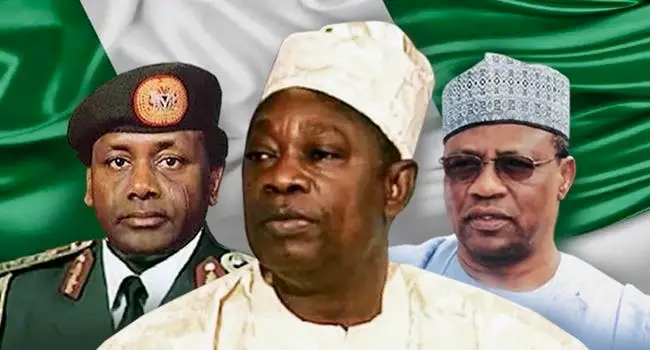
General Ibrahim Babangida’s memoir admission regarding the annulled June 12 election reignites Nigeria’s political wounds. The 1993 hijacking of Nigeria Airways Flight 470 by four teenagers showcased their demand for democracy, yet Babangida’s delayed acknowledgment offers little solace amidst ongoing calls for accountability and healing.
LAGOS, Nigeria — In an astonishing twist that has reignited old national wounds, former military ruler General Ibrahim Babangida’s recent memoir admission has provoked scathing denunciations from those who once dared to challenge his authority. Now, 32 years after a brazen act of defiance aboard a Nigeria Airways flight, the legacy of the June 12 annulment has once again become the battleground for Nigeria’s unresolved democratic aspirations.
On October 25, 1993, Nigeria was in the throes of political chaos. Amidst widespread disillusionment with military rule, four audacious teenagers—Richard Ogunderu, Kabir Adenuga, Benneth Oluwadaisi, and Kenny Rasaq-Lawal—embarked on a daring mission that would etch their names into the annals of Nigeria’s history.
Armed with makeshift weapons and fuelled by righteous indignation, these young men hijacked Nigeria Airways Flight 470, an Airbus A310-221 carrying high-ranking government officials and influential foreign dignitaries.
Their objective was unequivocal: demand the reinstatement of Moshood Kashimawo Olawale (MKO) Abiola, the widely acclaimed victor of the June 12 presidential election, which Babangida had shamelessly annulled.
The hijackers’ message was as clear as it was dramatic. They insisted that the military-backed interim government step down immediately and that MKO Abiola be recognised as the rightful president.
With an ultimatum that threatened to torch the aircraft within 72 hours, they made it known that the hijacking was not merely an act of desperation, but a powerful statement against an electoral process they believed had been stolen from the Nigerian people.
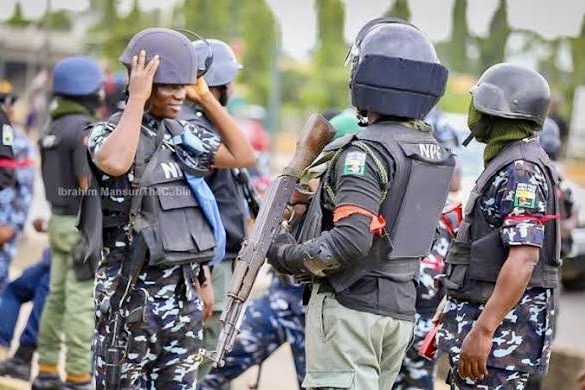
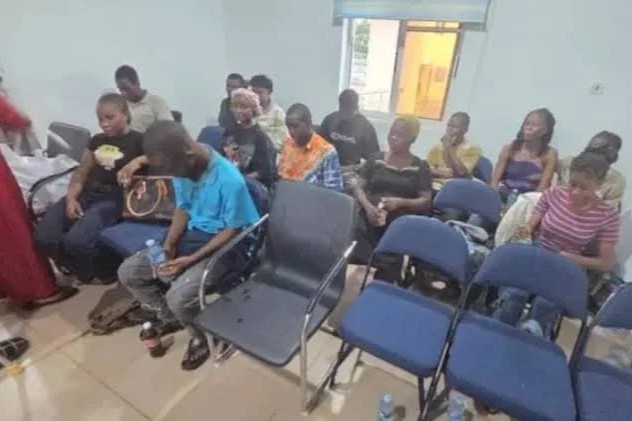
The subsequent negotiations saw the release of 129 hostages, including prominent figures like Rong Yiren, while the remaining crew and officials were held captive until Nigerian security forces stormed the plane—a rescue operation that, tragically, resulted in the death of crew member Ethel Igwe and left others injured.
Decades later, the echoes of that tumultuous night have not faded. In his 420-page memoir, A Journey in Service: An Autobiography of Ibrahim Babangida, the former head of state shockingly concedes that MKO Abiola had indeed secured 8,128,720 votes compared to Bashir Tofa’s 5,848,247—a clear indication that the annulled election had, in fact, been won by Abiola.
Yet, Babangida’s explanation remains as polarising as ever. He justifies his decision to annul the election by citing “extreme national interest” and the need to ensure Nigeria’s survival during a period of unprecedented political turbulence.
For Babangida, the weight of responsibility he carried as the leader of a military administration necessitated choices that, though controversial, were deemed essential for the country’s cohesion at that time.
However, for those who experienced the raw impact of his decisions firsthand, Babangida’s delayed confession comes as little more than a belated and hollow apology.
In an exclusive interview with the BBC, one of the hijackers—now identified as Hassan Rasaq-Lawal and in his 50s—unleashed scathing criticism against the former ruler.
“For Babangida to say that the June 12 election was annulled by him… for him to be saying the truth now; he is a coward,” Rasaq-Lawal declared.
His words reverberate with the pain and disillusionment of a generation that witnessed democracy being trampled under the guise of national survival.
The bitterness of the past is further underscored by the poignant testimony of Benneth Oluwadaisi, another hijacker whose personal aspirations were forever derailed by that fateful night.
Once harbouring dreams of becoming a chartered accountant, Oluwadaisi now laments, “To be a chartered accountant really was my goal, and that was what the hijacking took from me. It has made me illiterate.”
His regret is not merely for the lost years spent in a Niger prison—nine years and four months to be exact—but for the shattered potential of a young man who, like many of his compatriots, believed that fighting for a better Nigeria was the only path to real change.
This explosive revelation from Babangida’s memoir has once again stirred a cauldron of emotions among Nigerians.
For decades, the annulment of the June 12 election has symbolised not only the suppression of the popular will but also the broader betrayal of Nigeria’s democratic promise.
The hijacking of Nigeria Airways Flight 470 was more than an act of desperation; it was a desperate bid for justice, a stark manifestation of the citizens’ refusal to accept a stolen mandate.
The legacy of that day continues to haunt Nigerian political discourse, with every mention of June 12 evoking memories of resistance, loss, and an unyielding demand for accountability.
Babangida’s admission, though factually clarifying the electoral outcome, does little to heal the deep-seated wounds of a nation that has long grappled with the scars of military intervention.
His claim that the annulment was necessary in “extreme national interest” is met with scepticism and indignation by those who see it as a feeble attempt at absolution—a narrative spun too late to alter the course of history or mend the fractured dreams of countless Nigerians.
The current reaction is emblematic of a broader sentiment that pervades Nigerian society today—a yearning for genuine accountability and a transparent reckoning with the past.
The hijackers, once branded as renegades and subsequently punished, have now become unlikely symbols of a struggle that remains unfinished.
Their radical act, though fraught with tragic consequences, stands as a testament to the enduring belief in democracy and the rule of law—a belief that the Nigerian people continue to cling to amidst persistent political turmoil.
As Nigeria moves further into the 21st century, the shadow of June 12 looms large. Babangida’s memoir may offer a rare glimpse into the man behind the military façade, but it does not erase the legacy of betrayal that has defined a critical chapter in Nigeria’s history.
For those who were there—and for the generations that continue to bear the burden of those decisions—the admission is a bitter reminder that some wounds may never truly heal, and that the fight for democracy is an enduring struggle.
In the end, Babangida’s regret, as confessed too little and too late, is not enough to bridge the chasm between a nation’s lofty democratic ideals and the harsh realities of its past.
The debate over June 12, and what it represents, will undoubtedly continue to fuel the discourse on Nigeria’s political destiny for many years to come.