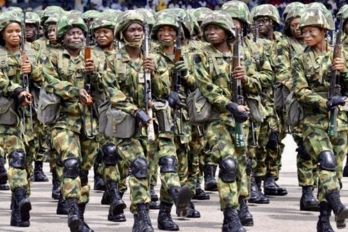
Fresh controversy has trailed the Nigerian Army after allegations emerged that 44 officers who were said to be eligible for promotion to the rank of Captain were not elevated in a recent exercise, despite claims that they had met the required conditions.
According to SaharaReporters, sources familiar with the process said only 77 of 121 eligible officers were promoted, leaving 44 behind. The same report described the outcome as unusual and claimed it was the first time such a large number of qualified officers had been excluded from a promotion round.
The allegation has immediate implications for morale, discipline and trust inside the officer corps because promotion in a military institution is not merely a career milestone; it is also a signal of institutional fairness.
In the account published by SaharaReporters, the affected officers were identified as members of Regular Course 68, while the report also said officers from earlier intakes — three from Regular Course 66 and about 20 from Short Service Course 44 — had now exhausted their final promotion opportunities and could face compulsory retirement.
One detail that deserves closer scrutiny is the timeline. SaharaReporters said the affected officers took the mandatory promotion examinations in February 2024 and that the final list was released on 17 July 2026.
Yet another report, published by Independent, said the Nigerian Army had concluded its 2026 Lieutenant-to-Captain Practical Promotion Examination in Abeokuta on 18 February 2026.
That report said the exercise ran for two weeks, covered eight subjects and was conducted in line with the Army’s promotion charter.
The contradiction does not disprove either narrative, but it does raise a serious chronology question that the Army ought to clarify publicly.
SaharaReporters also quoted sources who framed the matter as one of fairness rather than entitlement. One source said, “Only 77 out of 121 eligible officers were promoted to the rank of Captain.”
Another source said the affected officers had satisfied the requirements but were left without a clear explanation, adding that no transparent basis had been given for the selection. The same report said the officers believe a review would restore confidence and morale.
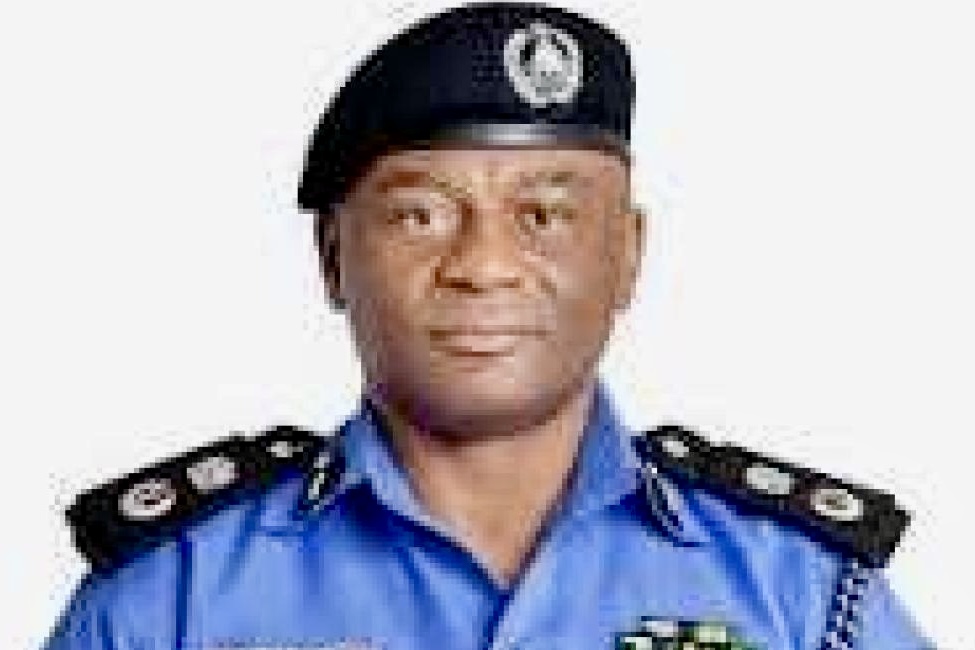
On the Army’s side, the public line has so far been more defensive than explanatory. The current spokesperson, Col. Appolonia Anele, has recently warned against misinformation and urged the public to rely on verified information; in a separate media engagement reported by PRNigeria, she said false narratives on social media damage morale and stressed the need for “timely, accurate and verified information.”
In reaction to the promotion allegations, SaharaReporters quoted her as saying: “Whoever has an issue knows the right channel to take and lay complaints, not bring it to the media space.”
That response matters because the Army has been making a broader public case for discipline, media responsibility and institutional order.
In the same PRNigeria report, Anele told defence correspondents that misinformation and disinformation were becoming a national security concern. That wider messaging suggests the Army is keen to keep personnel matters away from the headlines, but in a case this sensitive, silence can easily be interpreted as evasiveness unless it is followed by a clear and verifiable explanation.
The story has also moved into the political and legislative space. The affected officers reportedly want the Chairman of the Senate Committee on Army to intervene.
Public committee records show that the Senate Committee on Army is chaired by Senator Abdulaziz Musa Yaradua, with Senator Olusegun Oluwole Fasuyi as vice-chairman. That makes the National Assembly a possible channel for oversight if the allegations gather more force.
For now, the issue sits at the uncomfortable intersection of promotion policy, service morale and institutional credibility.
If the Army promoted officers strictly on merit, it needs to spell out the basis of the selections and show why 44 eligible officers were left behind. If there were performance gaps, disciplinary concerns or administrative filters, those reasons should be stated plainly.
In a force battling insurgency, banditry and internal pressure, unresolved promotion controversies can do damage far beyond the affected officers’ careers.
Six CMS Tags: Nigerian Army, Army promotion, military officers, Captain rank, military transparency, national security,
Social Media Feed Post:
44 eligible officers, 77 promotions, and still no clear public explanation. If the allegation stands, Nigeria is staring at a promotion system that rewards silence and breeds resentment inside the barracks. The Army must answer. #NigerianArmy #ArmyPromotion #MilitaryTransparency #NationalSecurity #Captain