ABUJA, Nigeria — In the heart of Nigeria’s volatile political landscape, the recent accusations by the Minister of the Federal Capital Territory, Nyesom Wike, against his successor, Rivers State Governor Siminalayi Fubara, have sparked an inferno of controversy. Wike, the former governor of Rivers State, is not just throwing casual accusations; his statements during an interview on Channels Television’s Politics Today on Tuesday amount to a dramatic escalation in an already charged political atmosphere.

Wike’s fierce denunciation of Fubara’s alleged defiance of a court judgment is not just a critique of governance; it is an alarming warning of the potential collapse of law and order. “Disregarding court rulings could lead to chaos and the breakdown of law and order,” Wike warned, casting Fubara’s actions as tantamount to inviting anarchy. The former governor’s allegations come at a time when Rivers State is teetering on the edge of political violence and widespread unrest.
The tension between Wike and Fubara has reached a fever pitch, with fresh explosions, violent protests, and brazen attacks on local government council secretariats following Fubara’s insistence on holding local elections in defiance of widespread dissent, police withdrawal, and explosive political resistance. What is happening in Rivers State is not just a political feud; it is a potential powder keg that threatens to explode into full-blown violence and destabilisation. This is a story of power, control, and a dangerous disregard for the rule of law.
The Warning from Wike: A Nation at the Brink of Chaos?
Nyesom Wike’s interview on Channels Television was nothing short of explosive. As a seasoned political operator with a reputation for taking on his opponents head-on, Wike did not mince words when he accused Fubara of setting Rivers State on a dangerous path. “The moment you don’t obey court judgment, you are inviting anarchy, you are inviting violence,” Wike declared. The gravity of these words cannot be overstated in a state like Rivers, where political tensions often result in real-world violence.
Wike’s specific accusation—that Fubara has publicly declared his refusal to comply with a court judgment—is a serious charge that cuts to the heart of democratic governance. The rule of law is the cornerstone of any functional democracy, and when a sitting governor openly disregards judicial rulings, it sends shockwaves through the entire political system. This defiance, Wike argues, is a direct invitation to chaos, an open call for violence to erupt.
In a political environment already marked by fierce rivalry, deep-seated animosity, and a history of electoral violence, Wike’s warning is not one to be taken lightly. The former governor pointedly referenced his own time in office, claiming he always respected court rulings, contrasting his approach with Fubara’s alleged lawlessness. But is this just Wike positioning himself as the voice of reason in an increasingly volatile situation, or is there something more dangerous lurking beneath the surface?
Fubara’s Defiance: A Recipe for Disaster?
Governor Siminalayi Fubara’s handling of the recent local government elections in Rivers State has ignited a political firestorm. Despite the withdrawal of major political parties—the Peoples Democratic Party (PDP) and the All Progressives Congress (APC)—and even the withdrawal of police protection for the elections, Fubara forged ahead with the polls. In a move that many see as both defiant and reckless, Fubara oversaw an election that culminated in the controversial victory of the Action People’s Party (APP), which secured 22 out of 23 chairmanship positions, while the Action Alliance won one seat.
The swiftness with which Fubara swore in the newly elected chairmen raised eyebrows, but it is the violence that followed that truly casts a shadow over his governance. The fact that several council secretariats were set ablaze and political opponents attacked mere hours after the election results were announced points to a state teetering on the brink of political anarchy.
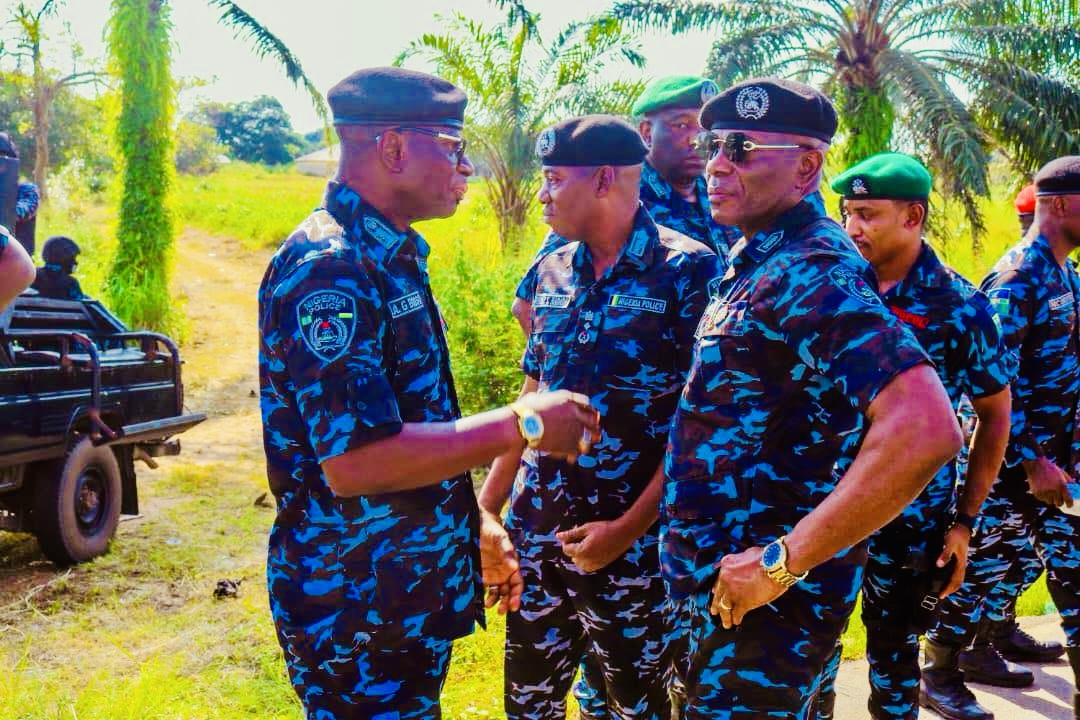
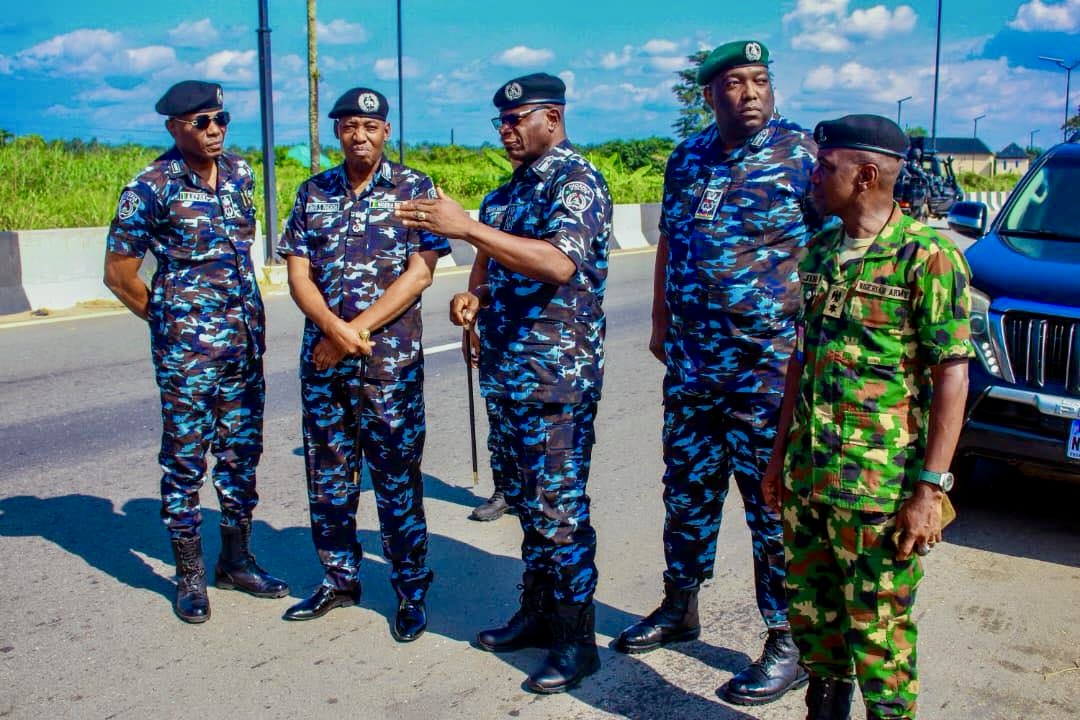
The Inspector General of Police, Kayode Egbetokun, had ordered the unsealing of the 23 local government secretariats and the immediate withdrawal of police officers stationed there since July. This withdrawal of security forces created a vacuum, and the political violence that followed seems almost inevitable in hindsight. But the critical question remains: Was Fubara’s insistence on holding these elections a calculated power move, or was it reckless governance that has now unleashed chaos on the streets of Rivers State?
The Court Ruling: A Legal Battle Ignored?
The crux of Wike’s allegations lies in Fubara’s alleged defiance of a court judgment. While the specifics of the court ruling in question remain somewhat murky, what is clear is that Wike sees Fubara’s refusal to comply as a flagrant violation of the rule of law. Wike’s comments during the interview suggest that the court ruling may have been tied to the local government elections or the handling of the political situation in Rivers State.
Fubara’s alleged public declaration that he would not comply with the court judgment only exacerbates the situation. In a state where political tensions can so easily spill over into violence, disregarding the judiciary sets a dangerous precedent. The judiciary, as Wike rightly points out, is the last bulwark against lawlessness. If court rulings are openly flouted, it sends a message to both political allies and opponents that might make right, and that the rule of law is nothing more than an inconvenience.
Wike’s scathing critique paints a picture of a governor who is not only defying the judiciary but is also undermining the very foundations of democratic governance. If Fubara’s actions are allowed to stand without consequence, what message does that send to other political leaders across Nigeria? Could this embolden others to ignore court rulings, to disregard the law when it suits their political purposes?
Rivers State: A History of Violence and Political Turmoil
To understand the gravity of the current situation in Rivers State, one must consider the state’s history of political violence and unrest. Rivers State, located in the oil-rich Niger Delta, has long been a flashpoint for political conflict. The state’s strategic importance, combined with its wealth in natural resources, has made it a battleground for political control.
Election periods in Rivers State are often marred by violence, as political factions vie for dominance. The 2023 general elections were no exception, with reports of violence, voter intimidation, and electoral fraud. The recent local government elections appear to be following the same pattern, with explosions, protests, and attacks on local government officials becoming all too common.
The violence that erupted after the local government elections is a stark reminder of just how fragile the political situation in Rivers State can be. When Wike warns of the potential for anarchy, he is speaking from experience. During his time as governor, Rivers State saw its fair share of political violence, and Wike himself was often at the centre of these controversies. But now, in his role as Minister of the Federal Capital Territory, Wike appears to be positioning himself as the voice of reason, warning of the dangers that lie ahead if Fubara continues down this path.
The Role of the Inspector General of Police: A Controversial Order
One of the key flashpoints in this political crisis is the role of the Inspector General of Police, Kayode Egbetokun. His order to unseal the local government secretariats and withdraw police officers from their posts has been a major point of contention. The decision to withdraw police protection from the local government elections has been widely criticised, with many accusing the police of abandoning their duty to maintain law and order.
The timing of the police withdrawal, just before the elections, has fuelled speculation that the move was politically motivated. Critics argue that by removing the police presence, the Inspector General effectively paved the way for the violence that followed. In a state as volatile as Rivers, the absence of a strong police presence during a politically charged election is almost guaranteed to lead to unrest.
The question of why the police were withdrawn remains a contentious one. Was it a calculated decision designed to weaken Fubara’s hold on power, or was it a miscalculation that allowed the violence to spiral out of control? Whatever the case may be, the Inspector General’s actions have undoubtedly played a key role in escalating the crisis in Rivers State.
The Political Fallout: What’s Next for Rivers State?
As the dust begins to settle from the recent violence, the political fallout in Rivers State is only just beginning. Wike’s accusations have added fuel to an already raging fire, and the political stakes could not be higher. With local government officials under attack, secretariats set ablaze, and political opponents on the warpath, the situation in Rivers State is becoming increasingly untenable.
For Governor Fubara, the road ahead is fraught with peril. His insistence on pushing through with the local government elections, despite the withdrawal of key political players and police forces, has left him vulnerable to attacks from all sides. Wike’s public criticism has only added to the pressure, and it is clear that Fubara will have to navigate a minefield of political challenges in the days and weeks ahead.
For Nyesom Wike, the political calculus is equally complex. While his criticism of Fubara may resonate with some, it also opens him up to accusations of hypocrisy. During his time as governor, Wike was no stranger to political controversy, and his own tenure was marked by accusations of heavy-handed tactics and disregard for the rule of law. Now, as Minister of the Federal Capital Territory, Wike must walk a fine line between positioning himself as a statesman and avoiding the pitfalls of his past.
Conclusion: A State on the Brink of Anarchy?
The political crisis in Rivers State is far from over. With violence continuing to erupt, political tensions at an all-time high, and key players like Wike and Fubara locked in a bitter feud, the future of the state hangs in the balance. Wike’s warning of an impending breakdown of law and order should not be taken lightly. If the rule of law continues to be disregarded, if political violence continues to escalate, Rivers State could very well descend into chaos.
The stakes are high, not just for Rivers State, but for Nigeria as a whole. The events unfolding in Rivers State serve as a stark reminder of the fragility of Nigeria’s democracy. When political leaders openly defy court rulings, when elections are marred by violence, and when the police are withdrawn from their duties, the very foundations of the state are at risk. Rivers State is at a crossroads, and the decisions made in the coming days will determine whether it moves toward peace and stability or descends into further violence and chaos.