Lagos Seals Pinnock Beach Estate and Three Other Properties in Hardening Sewage Clampdown
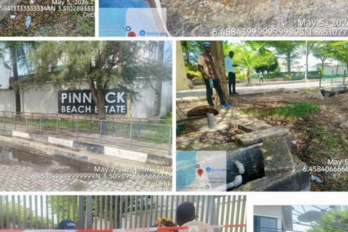
LEKKI, Nigeria — Lagos has escalated its environmental enforcement drive with the sealing of Pinnock Beach Estate in Osapa London, Lekki, and three other properties across Lekki, Ajah and Surulere over alleged illegal discharge of untreated sewage into public drains and canals.
The action, carried out by the Lagos State Wastewater Management Office on Thursday, is the latest sign that the state government is turning wastewater violations into a frontline public-health and environmental issue rather than a routine sanitation offence.
According to the state commissioner for environment and water resources, Tokunbo Wahab, the Pinnock Beach action followed “several warnings and abatement notices” that were allegedly ignored by the estate management.
The government says the estate was sealed after officials found deliberate pumping of untreated sewage into a canal, which it said created offensive odour, environmental nuisance and risks to human health and aquatic life.
The same enforcement sweep also hit a property at No. 28 Amodu Street, Itire, Surulere, after verified resident complaints of continuous raw sewage discharge into neighbouring compounds and public drains.
Two other affected sites were a property on Oladipo Dumoye Street, Mashy Hill Estate, Ado Road, Ajah, and Vintage Heights Estate on Ojulari Street, Elegushi, Lekki, both accused of pumping untreated wastewater into drainage channels and the surrounding environment.
This is not an isolated crackdown. Barely a day earlier, the same agency had sealed Balmoral Convention Centre in Victoria Island and Foodies Restaurant in Lekki Phase I over wastewater violations, with officials saying the facilities had been warned repeatedly but failed to comply.
Read together, the two enforcement actions suggest a broader Lagos strategy: to force estates, restaurants and commercial property operators to stop using drains and canals as informal sewage outlets.
The legal and public-health basis for the clampdown is not difficult to see. WHO says contaminated water and poor sanitation are linked to cholera, diarrhoea, dysentery, hepatitis A, typhoid and polio, while untreated excreta can contaminate groundwaters and surface waters used for drinking, bathing and household purposes.
Lagos’s own building and drainage rules require foul water to go into a public sewer, a private sewer, a septic tank with proper secondary treatment, or a cesspool, and they specifically require septic or treatment systems to be sited so they do not contaminate watercourses, underground water or water supply.
That legal framework matters because the state has repeatedly warned against the culture of channeling untreated wastewater into public drains.
Lagos officials have said for years that such conduct creates visible sanitation failures, blocked drains and health risks to residents, yet the recurring enforcement actions show that some property managers still appear to treat environmental rules as optional.
The government’s latest warning is that violators will face “appropriate sanctions and possible prosecution”, a line that signals a tougher regulatory posture under the current administration.
For residents in densely built neighbourhoods such as Lekki, Ajah and Surulere, the implications go beyond foul smell and ugly drains.
Illegal sewage discharge can worsen blocked waterways, increase flooding pressure during heavy rain and expose neighbouring homes to contamination where drainage infrastructure is already strained.
Lagos State Wastewater Management Office says its mandate is to entrench “sustainable and healthy wastewater management practices” in the state, and Thursday’s seals show that the office is now trying to translate that mandate into visible enforcement on the ground.
For property developers, estate managers and commercial operators, the message is blunt. Lagos is no longer framing sewage violations as minor nuisance complaints. It is treating them as environmental breaches with direct health consequences, and it is increasingly willing to shut properties, publicise the sanction and press for compliance.
If the current pattern continues, more estates and facilities could soon find themselves on the wrong side of the city’s sanitation dragnet.
Follow us on our broadcast channels today!
- WhatsApp: https://whatsapp.com/channel/0029VawZ8TbDDmFT1a1Syg46
- Telegram: https://t.me/atlanticpostchannel
- Facebook: https://www.messenger.com/channel/atlanticpostng