By Editor
ABUJA, Nigeria — In an extraordinary turn of events, Donald J. Trump has once again captured the U.S. presidency, defying polls, predictions, and political norms to re-emerge as a force on the world stage. This unexpected political renaissance has unleashed a tidal wave of reactions across the globe, stirring discussions about the state of democracy, the rise of populism, and the shifting balance of power in international relations. In Nigeria, a nation with a deep historical and economic connection to the United States, Trump’s victory has quickly become a focal point of political discourse, with top leaders from both sides of the political spectrum weighing in with messages of congratulation, hope, and anticipation for a more robust U.S.-Nigeria partnership.

Prominent among these voices are President Bola Tinubu and former Vice President Atiku Abubakar, each delivering emphatic messages to Trump that go beyond formal diplomatic niceties. Their statements resonate with a deeper significance, as they invoke both national pride and Nigeria’s aspirations on the global stage. With Tinubu looking toward strengthened economic and diplomatic relations, and Atiku focusing on the ideals of democratic resilience and electoral integrity, their words underline not only Nigeria’s investment in the U.S. election outcome but also the ideological divides within Nigeria’s own political landscape.
This report delves into the implications of Trump’s victory for Nigeria, examining the hopes, challenges, and critiques embedded in these congratulatory messages. Could Trump’s second administration truly reshape Nigeria’s fortunes, or are these statements merely optimistic gestures aimed at currying favor with the world’s superpower? As we explore the intricacies of Nigeria-U.S. relations, this analysis provides a window into the political and economic calculations of Nigerian leaders as they navigate the global ripple effects of Trump’s return.
Atiku Abubakar’s Ode to Trump’s Resilience: A Mirror to Nigeria’s Democratic Struggles
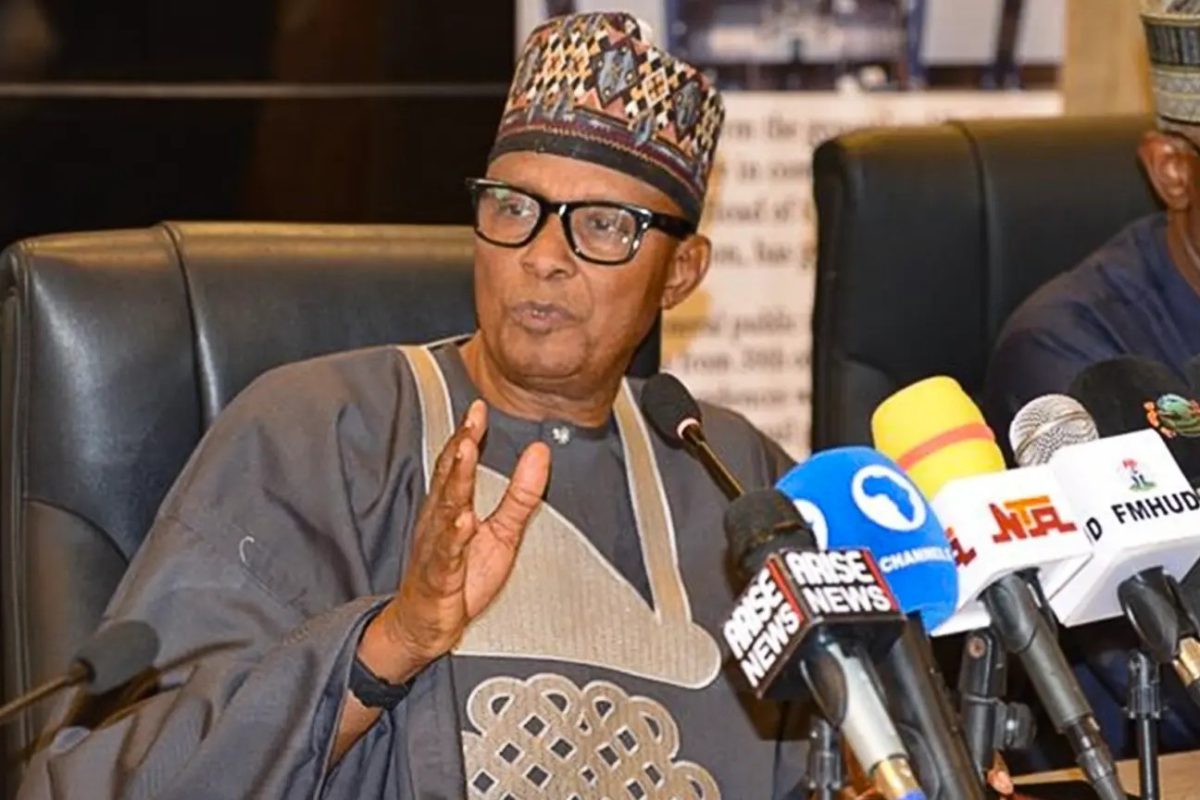
In his stirring tribute to Trump’s triumph, Atiku Abubakar, Nigeria’s former Vice President and an opposition leader, offers a reflection on democracy that is as much about the U.S. as it is about Nigeria. Atiku’s words are laced with admiration for Trump’s resilience and an implicit critique of Nigeria’s political system, subtly contrasting America’s democratic resolve with the perceived flaws and challenges facing Nigerian democracy.
“I closely followed the presidential election in the United States of America, watching with bated breath as the nation decided its future,” Atiku begins, immediately conveying the gravity he attaches to this electoral process.
For Atiku, Trump’s win symbolises the essence of democratic perseverance. By depicting the election as a climactic moment where the American people determined their future, Atiku implicitly draws a line of comparison to Nigeria’s own contentious political climate, where elections are often marred by allegations of corruption, vote manipulation, and judicial interference. His choice of words, “bated breath,” captures a sense of suspense, suggesting that Trump’s electoral journey serves as a blueprint of democratic survival that resonates with Nigerians weary of their own compromised processes.
“The narrative of President Trump’s political journey, marked by his struggles and triumphs, shall serve as an inspiring parable of courage in the face of adversity,” Atiku continues, connecting Trump’s resilience to a universal democratic ideal that speaks to Nigeria’s own struggles for credible elections.
Atiku’s tribute isn’t merely an act of political politeness; it is a strategic alignment with the values he hopes to see flourish in Nigeria. By celebrating Trump’s ability to “rise after every fall,” Atiku implicitly aligns himself with a leader who defied the odds, a sentiment that he hopes will inspire Nigerians seeking electoral reform and democratic accountability.
Yet, there is a certain irony in Atiku’s words. As a leading figure of the opposition, he has himself been a fixture in Nigeria’s political establishment, facing accusations of complicity in the same issues he critiques. In a nation where public trust in politicians remains fragile, Atiku’s endorsement of Trump’s journey could be seen as both a rallying cry for reform and a tacit admission of the shortcomings within his own party and political career. Could Atiku’s praise for Trump be an attempt to realign himself with the Nigerian populace’s growing frustration over electoral fraud? His statement, while layered with praise for American democracy, underscores the contradictions and challenges inherent in Nigeria’s path toward a similar democratic resilience.
Atiku’s Hope for Global Election Integrity: A Challenge to the Trump Administration?
The latter part of Atiku’s statement takes on a more ambitious tone, as he expresses his hope that Trump will extend his advocacy for election integrity on a global scale. This expectation, though framed diplomatically, could be seen as both a compliment and a challenge to Trump’s political ethos.
“As the world rejoices in the euphoria of his remarkable comeback, it is to be hoped that President Trump will continue his resolute advocacy for credible elections worldwide,” Atiku remarks, a statement that appears to position Trump as a figurehead for global democratic reform.
In projecting his aspirations onto Trump, Atiku subtly shifts the focus from Trump’s victory to the broader implications of American influence in international election oversight. The United States, long considered a standard-bearer for democratic values, is implicitly called upon to use its power and influence to ensure credible elections—not only within its borders but in nascent democracies like Nigeria. Atiku’s words serve as a reminder of the potential role the U.S. could play in countering electoral malpractice in regions where democracy remains fragile.
However, Trump’s legacy on election integrity has been divisive. Following his own contentious defeat in the 2020 election, Trump’s claims of election fraud shook confidence in U.S. electoral institutions. Atiku’s appeal could thus be seen as ironic, if not ambitious, given Trump’s polarizing record on the issue. While many around the world see Trump as a symbol of populist resurgence, his critics argue that his rhetoric has at times undermined democratic norms.
Is Atiku’s call a sincere endorsement of Trump’s approach to democracy, or does it subtly reflect a broader Nigerian hope for a more genuine commitment to democratic principles from the U.S.? His statement captures a complex dynamic: a nation that reveres American democracy yet remains wary of its vulnerabilities, especially when espoused by a leader deemed as polarising by critics as Trump.
President Tinubu’s Diplomatic Gesture: Fostering U.S.-Nigeria Ties in an Era of Mutual Gains
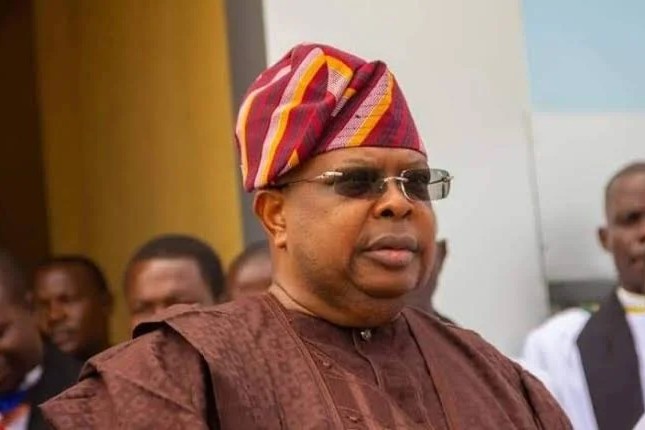
President Bola Tinubu’s congratulatory statement takes a markedly different approach, pivoting away from the ideological undertones of Atiku’s message to emphasise tangible partnerships. Tinubu’s words signal a pragmatic approach to Nigeria-U.S. relations, focused on shared interests rather than grandiose ideals. In his message, Tinubu congratulates Trump on what he calls a well-deserved victory, casting it as a sign of confidence in Trump’s leadership—a nod to the trust placed in him by the American people.
“President Bola Tinubu extends his heartfelt congratulations to President Donald Trump on his re-election as the 47th President of the United States of America,” reads the statement.
The formality and neutrality of Tinubu’s language reflect his diplomatic stance as head of state. Tinubu’s statement underscores a commitment to advancing the bilateral relationship, emphasising potential gains for both nations. Tinubu’s emphasis on “economic cooperation, peace, and global challenges” suggests an intent to leverage this renewed relationship for Nigeria’s socio-economic benefit.
But Tinubu’s message goes further than simple diplomatic rhetoric. By citing the importance of economic partnerships, Tinubu is tapping into a wellspring of Nigerian aspirations for growth and investment. Nigeria, Africa’s largest economy, has a vested interest in aligning with the U.S. to attract investment and foster development. In particular, Tinubu’s mention of “reciprocal economic and development partnerships” reflects an understanding of Trump’s transactional approach to foreign policy—a model that prioritises self-interest while fostering mutually beneficial deals.
Tinubu’s Vision for Africa’s Role in a Multipolar World
Another significant element in Tinubu’s statement is his reference to Africa’s position in global affairs, specifically as it relates to the U.S. role in fostering stability and development across the continent. By framing the U.S. as a pivotal force, Tinubu subtly underscores the influence of American foreign policy in shaping Africa’s trajectory.
“Acknowledging the United States’ influence, power, and position in determining the trend and course of global events, the Nigerian leader trusts that President Trump will bring the world closer to peace and prosperity,” the statement reads.
In invoking the U.S.’s role as a global leader, Tinubu raises the stakes for Nigeria’s involvement on the world stage. His statement suggests a vision of Nigeria as an active participant in global diplomacy, aligned with the interests of a superpower that has the means to influence change on a large scale.
Trump’s Return as a Catalyst for U.S.-Africa Relations: Will Nigeria See Real Change?
While President Tinubu’s congratulatory message conveys optimism about the future of Nigeria-U.S. relations, it also raises important questions. Given Trump’s past “America First” agenda, many African leaders remain cautious, recognising that any benefits from this renewed relationship may come with strings attached. Trump’s first term saw significant shifts in U.S. foreign policy, with a noticeable reduction in American engagement across Africa. The continent’s role in Trump’s diplomatic agenda was largely transactional, with the former president emphasising economic deals over traditional aid or long-term development projects.
Tinubu’s hopes for a robust partnership, particularly one that fosters “reciprocal economic and development partnerships,” underscore Nigeria’s expectations of Trump’s second administration. Yet, the U.S. has long approached Africa through a lens of strategic interests, often with mixed results for African nations. Nigeria’s oil wealth, large consumer base, and geopolitical significance may make it a key ally, but Tinubu’s ambitions could clash with Trump’s penchant for one-sided deals. The phrase “reciprocal economic partnership” reflects an insistence on equality that hints at Nigeria’s desire for fairer trade deals and less exploitative investment practices.
“Together, we can foster economic cooperation, promote peace, and address global challenges that affect our citizens,” Tinubu declares, casting the U.S.-Nigeria relationship as a collaborative force for good.
This optimistic outlook, however, may face significant challenges. Trump’s foreign policy record suggests that Nigeria may need to adopt a pragmatic stance, leveraging its resources while resisting policies that may prioritise U.S. interests at Nigeria’s expense. African leaders, Tinubu included, will likely watch closely for signs of any shift in Trump’s approach to African diplomacy, hoping for a more balanced relationship that recognises the continent’s growing influence and its potential role in the global economy. Tinubu’s statement, while optimistic, also subtly urges the U.S. to consider Africa as a partner rather than a mere beneficiary of Western policies.
The Democratic Resonance: Nigeria’s Search for Electoral Integrity
Both Atiku and Tinubu’s messages highlight an aspiration for Nigeria’s democratic evolution. In Atiku’s case, his congratulatory message to Trump underscores the resilience of democratic processes—a thinly veiled reminder of Nigeria’s own democratic challenges. Nigeria’s political landscape has been marred by controversies and allegations of electoral misconduct. From ballot rigging to voter intimidation, Nigeria’s election processes have struggled with integrity, undermining public confidence in its democratic system. Atiku’s praise for the U.S. electoral process serves as a critique of Nigeria’s, indirectly suggesting that Nigeria could benefit from America’s democratic principles, if only they were more consistently and credibly applied.
This sentiment, though celebratory, also carries a sense of urgency for Nigeria’s democracy. Atiku’s statement, with its emphasis on the “resilience and vitality of the democratic process,” is both an endorsement of U.S. democracy and a subtle call to action for Nigeria. He highlights Trump’s victory as a reminder that “democracy, with all its trials and tribulations, remains a force for good in the world.” By drawing attention to the importance of credible elections, Atiku reminds Nigerians that their votes should be the foundation of power, free from the interference and manipulation that often plague Nigerian elections.
The issue of electoral integrity is paramount in Nigeria’s current political discourse. Many Nigerians see the American example as one to aspire to, despite its own controversies. Atiku’s reference to Trump’s “remarkable comeback” is a call for a more robust democratic framework in Nigeria, where political outcomes are truly reflective of the people’s will. But critics of Atiku may argue that his admiration for Trump’s victory rings hollow; after all, the U.S. system, while resilient, has been criticised for its flaws, and Trump himself has been a polarising figure whose victory was seen by some as divisive rather than unifying.
Diplomacy and Development: Can Tinubu’s Vision for Nigeria-U.S. Relations Thrive?
In President Tinubu’s congratulatory statement, the emphasis on “strengthening ties” and “mutual cooperation” suggests that he envisions a more dynamic partnership with the United States. Nigeria’s role as an African powerhouse places it in a unique position to negotiate such terms, but Tinubu’s diplomatic balancing act will require skillful navigation of U.S. foreign policy, which has often vacillated between interventionist and isolationist under various administrations.
Tinubu’s message also reflects a broader hope among Nigerian leaders to move past traditional models of aid and assistance toward more meaningful economic collaborations. By promoting the idea of economic partnerships based on “trust and confidence,” Tinubu signals that Nigeria wants to play an active role in global development, rather than simply receiving aid with conditions attached. His hopes for Trump’s return signal an intent to leverage Nigeria’s unique assets and strategic importance, advocating for a relationship that is built on shared interests and mutual respect.
The emphasis on economic cooperation comes at a crucial time. With Africa facing complex challenges from climate change, regional instability, and a youthful population with rising unemployment, Tinubu’s statement indicates a push for U.S. support in fostering sustainable development. His hope that Trump will bring the “world closer to peace and prosperity” carries a reminder that true peace cannot be achieved without addressing the root causes of conflict—economic inequality and lack of opportunity.
The stakes are high for Nigeria, and Tinubu’s message is a blend of aspiration and pragmatism. While Trump’s previous presidency saw relatively little focus on Africa, Tinubu’s message appears to encourage the U.S. to view Nigeria as a pivotal partner, capable of contributing significantly to global stability and economic progress. This vision, however, will require the U.S. to reevaluate its approach to Africa, moving from episodic engagement to a more sustained and reciprocal partnership.
The Broader African Context: A Test for Trump’s Foreign Policy
Trump’s return to power presents an opportunity for the U.S. to reshape its approach to Africa, and Nigeria’s leaders have been quick to extend their expectations. Africa, a continent of rising strategic importance, has often been overlooked in Western policy circles despite its economic potential and rapidly growing population. Both Atiku and Tinubu’s messages contain implicit hopes that Trump’s second term might witness a shift in this trend. As the largest economy in Africa, Nigeria stands as a gateway to the continent’s vast resources and untapped markets, making it a natural partner in any U.S. effort to engage Africa more deeply.
“Trump’s victory reflects the trust and confidence the American people have placed in his leadership,” Tinubu states, highlighting the symbolic value of electoral legitimacy as a unifying force.
By emphasising “trust and confidence,” Tinubu points to a shared democratic aspiration that could serve as common ground for Nigeria and the U.S. However, Trump’s “America First” ideology, which often prioritises U.S. interests over those of its allies, may challenge this vision. To navigate this complexity, Nigerian leaders will likely need to balance their aspirations for cooperation with a clear understanding of Trump’s priorities.
Moreover, Trump’s stance on immigration, trade, and global alliances could impact Nigeria’s diaspora community and economic engagements with the U.S. While Nigerian leaders see potential benefits in Trump’s return, they must also prepare for possible challenges in negotiating terms that support Nigeria’s national interests.
Conclusion: Charting a New Course for Nigeria-U.S. Relations
In sum, the congratulatory messages from Nigerian leaders to Donald Trump reflect not only a diplomatic gesture but also a strategic alignment with a potential ally in the quest for national and continental advancement. Atiku Abubakar’s words, steeped in admiration for democratic resilience, mirror Nigeria’s aspirations for transparent elections and a government that genuinely represents the people. His message reflects the opposition’s hope that a renewed U.S. under Trump will inspire Nigeria’s political elites to prioritise the democratic values that foster a more inclusive and just society.
On the other hand, President Tinubu’s statement underscores Nigeria’s pragmatic approach to foreign relations, emphasising economic cooperation and development. His vision sees Nigeria as a cornerstone in U.S.-Africa relations, advocating for a reciprocal partnership that transcends traditional models of dependency. Tinubu’s statement is a diplomatic overture, but it also carries a challenge for the U.S. to view Africa, particularly Nigeria, as a critical player in global affairs.
As Trump prepares to assume the U.S. presidency once more, the course of Nigeria-U.S. relations will depend on both nations’ willingness to embrace genuine partnership. Tinubu and Atiku’s messages collectively articulate a vision of Nigeria as a nation ready to assert itself on the world stage, seeking relationships that respect its sovereignty and address its developmental goals.
In the coming years, Trump’s administration will have the opportunity to redefine the U.S. role in Africa. Whether it will take up this mantle or revert to isolationist tendencies remains to be seen. Nigeria, with its vast resources, strategic importance, and ambition, stands ready for a partnership that respects its potential and fosters mutual growth. In extending their congratulations, Nigerian leaders have cast their expectations, hopeful that Trump’s victory will herald a new era of cooperation, respect, and shared success in the complex realm of international relations.