By Osaigbovo Okungbowa, Senior Political Correspondent
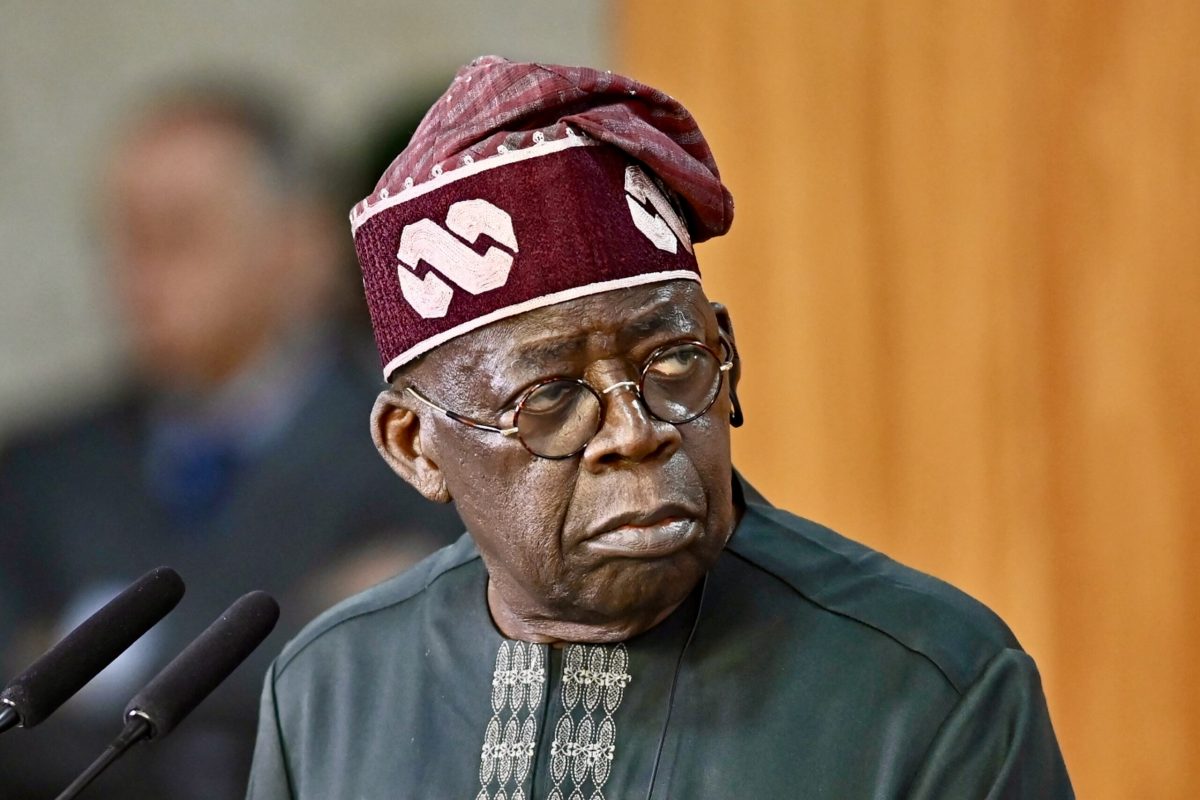
In a move that has sent shockwaves through Nigeria’s political landscape, President Bola Tinubu formally welcomed former Senate President Anyim Pius Anyim into the All Progressives Congress (APC). This high-profile defection from the Peoples Democratic Party (PDP) marks a significant realignment in the nation’s political power dynamics.

The Grand Reception
On Wednesday, President Tinubu, flanked by key political figures, received Anyim at the Presidential Villa in Abuja. The event was a carefully orchestrated display of political solidarity and strength. Imo State Governor, Senator Hope Uzodimma, and Ebonyi State Governor, Francis Nwifuru, presented Anyim to Tinubu, underscoring the broad support for this strategic shift.
A Statement of Commitment
Anyim, who served as Secretary to the Government of the Federation during President Goodluck Jonathan’s tenure, declared his unwavering commitment to Nigeria’s progress. “There is a need that we all should put hands together to move the country forward,” he stated, signalling his readiness to contribute to the APC’s vision for the nation.
The Defection: A Calculated Move
Anyim announced his defection on Saturday, July 13, 2024, during the APC’s Local Government Area election campaign finale in Abakaliki, the capital of Ebonyi State. Leading a contingent of his supporters, Anyim’s move to the APC was not a solo act but a well-coordinated migration of political heavyweights. Among the defectors were former lawmakers, governorship candidates, and thousands of supporters from various parties, including the Labour Party’s Edwin Nkwegu and Senator Obinna Ọgba.
Strategic Implications
The entry of Anyim into the APC fold is more than just a political win; it is a strategic masterstroke that could reshape the party’s fortunes and the broader political landscape. Anyim brings with him a wealth of experience, a substantial following, and a reputation for political acumen.
- Strengthening APC’s Political Base: Anyim’s defection is expected to bolster the APC’s influence in the South-East, a region where the party has struggled to gain a strong foothold. His presence could attract more leaders and voters from this key geopolitical zone, enhancing the party’s electoral prospects.
- Disrupting PDP’s Stronghold: Anyim’s departure from the PDP, along with his supporters, deals a significant blow to the opposition party. It raises questions about the PDP’s internal cohesion and its ability to retain its top brass amidst growing dissatisfaction and strategic defections.
- National Unity and Progress: By joining the APC, Anyim aligns himself with a party that is currently steering the nation’s governance. His commitment to national progress and his appeal for collective effort underscore a desire for political stability and unity, crucial for Nigeria’s development.
The Reception at the APC
APC leaders were visibly elated at Anyim’s defection. National Chairman Abdullahi Ganduje, Governor Uzodinma, Governor Nwifuru, Minister of Works David Umahi, and State Chairman Stanley Emegha were among those who welcomed the new members into the party fold. Their presence highlighted the importance of this political acquisition and the unified front the APC aims to present.
Analyzing the Underlying Motives
While Anyim’s official statements highlight a commitment to national progress, political analysts suggest deeper, more strategic motivations behind his defection.
- Political Survival and Influence: In the fluid dynamics of Nigerian politics, aligning with the ruling party often ensures greater influence and access to resources. Anyim’s move could be seen as a strategic repositioning to maintain political relevance and leverage.
- Internal Party Conflicts: Rumours of internal discord within the PDP and dissatisfaction with the party’s direction may have prompted Anyim’s exit. By joining the APC, he not only escapes internal party conflicts but also positions himself within a more stable and influential political framework.
- Broader Political Realignments: Nigeria is witnessing a period of significant political realignments, with leaders across the spectrum reevaluating their positions in response to changing political tides. Anyim’s defection may be part of a broader trend of repositioning ahead of future elections.
The Future of APC and Nigerian Politics
Anyim’s defection to the APC is likely to have far-reaching consequences for the party and the country’s political landscape.
- Enhanced Party Cohesion: With new influential members like Anyim, the APC could see improved internal cohesion and a stronger, more unified front, essential for effective governance and electoral success.
- Impact on Upcoming Elections: As Nigeria gears up for future elections, the APC’s strengthened position could translate into electoral gains, particularly in regions where the party previously had limited influence.
- Policy and Governance: Anyim’s experience and political acumen could contribute positively to the APC’s policy-making and governance, helping to address key national issues and drive development.
A Critical View: Risks and Challenges
While Anyim’s defection is a significant win for the APC, it also presents certain risks and challenges that must be navigated carefully.
- Managing Expectations: Integrating high-profile defectors into the party comes with the challenge of managing expectations and ensuring that their ambitions align with the party’s broader goals.
- Internal Dynamics: The influx of new members could lead to internal power struggles and competition, potentially disrupting the party’s cohesion if not managed effectively.
- Public Perception: Anyim’s defection may be viewed with skepticism by some, seen as a move driven by personal ambition rather than genuine commitment to national progress. The APC will need to address these perceptions to maintain public trust.
Conclusion: A Turning Point in Nigerian Politics
Anyim Pius Anyim’s defection to the APC is a landmark event that underscores the dynamic and ever-evolving nature of Nigerian politics. It reflects the strategic calculations of political leaders and the broader realignments that are shaping the future of the nation’s governance. As the APC consolidates its gains and prepares for future challenges, the inclusion of influential figures like Anyim could be pivotal in steering Nigeria towards a more stable and prosperous future.
In a nation where political loyalty often shifts with the tides, the move also serves as a reminder of the complexities and strategic manoeuvrings that underpin Nigerian politics. For the APC, the task now is to leverage this new strength, navigate the inherent challenges, and continue to drive the agenda for national development and unity. For the PDP, it is a moment of introspection and recalibration, a signal to address internal issues and re-strategize for future battles.
The coming months will be crucial in determining how these shifts play out on the political stage, and whether they lead to a more cohesive and progressive Nigeria. As always, the Atlantic Post will continue to provide in-depth analysis and updates on this unfolding political saga.