IKEJA, Lagos State — In a recent media stakeholders forum held in Ikeja, Lagos State Commissioner for Information and Strategy, Gbenga Omotoso, highlighted the Sanwo-Olu administration’s ongoing projects and its commitment to delivering the dividends of democracy to residents, particularly at the grassroots level.

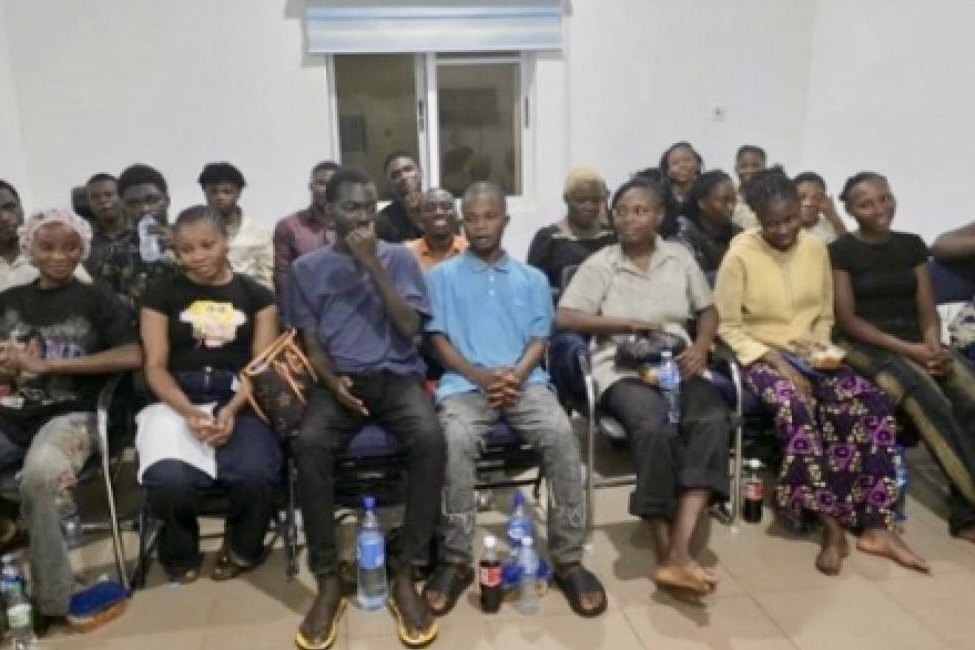
Lagos State Commissioner for Information and Strategy, Gbenga Omotoso, hosts a Media Stakeholders’ Forum with just a handful of media practitioners. 
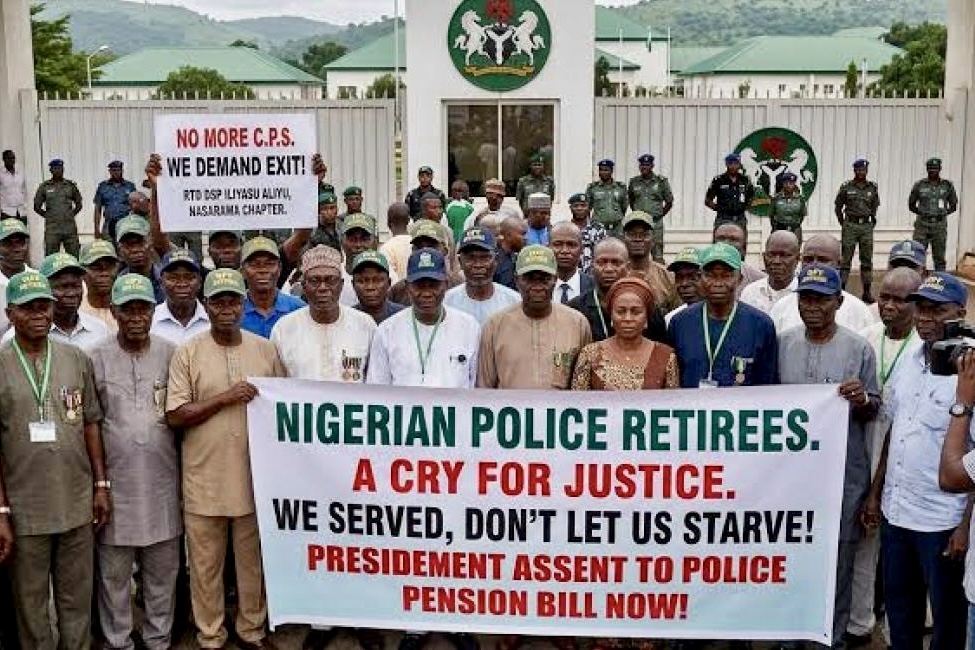
Lagos State Commissioner for Information and Strategy, Gbenga Omotoso, hosts a Media Stakeholders’ Forum with just a handful of media practitioners. 
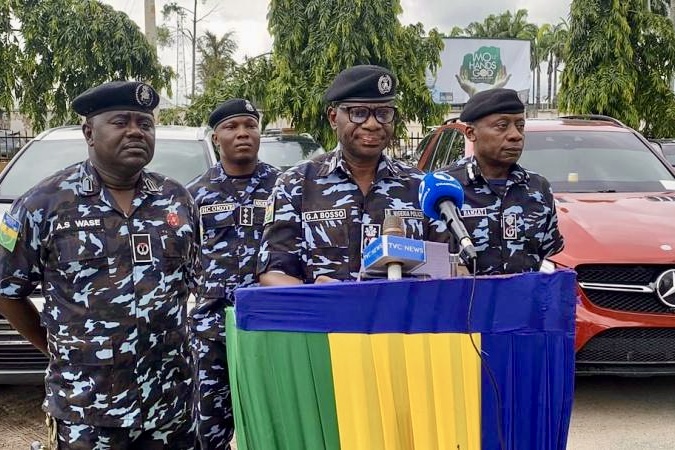
Lagos State Commissioner for Information and Strategy, Gbenga Omotoso, hosts a Media Stakeholders’ Forum with just a handful of media practitioners.


He emphasised that the administration is focused on commissioning projects that will positively impact communities across the state’s local governments and local council development areas.
One of the flagship projects nearing completion is the New Massey Street Children’s Hospital, poised to become the largest paediatric facility in West Africa. This initiative underscores the administration’s dedication to enhancing healthcare infrastructure and services for Lagosians.
Omotoso also mentioned other significant health sector projects, including the 280-bed General Hospital in Ojo and the Psychiatric Hospital in Ketu Ejinrin, which aim to expand access to quality medical services for residents.
The Commissioner encouraged young entrepreneurs to leverage the funding opportunities provided by the Lagos State Employment Trust Fund (LSETF) and other state initiatives.
He noted that many startups have achieved stability and profitability through support from these programmes, reflecting the administration’s commitment to fostering economic growth and empowering the youth.
In the tourism sector, Omotoso highlighted plans to revitalise cultural, religious, and recreational infrastructure to boost revenue, attract foreign exchange, and position Lagos as a competitive global destination.
Projects such as the restoration of the historic Elemoro Palace in Ibeju-Lekki and the Princess Erelu Kuti Tomb are part of efforts to preserve the state’s rich cultural heritage.
While the administration’s achievements are commendable, it is essential to critically analyse its performance across various sectors to provide a balanced perspective.
Healthcare: Progress and Persistent Challenges
The Sanwo-Olu administration has made notable strides in healthcare, with the construction of new facilities and upgrades to existing ones. The New Massey Street Children’s Hospital and the 280-bed General Hospital in Ojo are significant additions to the state’s healthcare infrastructure.
However, challenges persist, including inadequate staffing, limited access to medical supplies, and disparities in healthcare delivery between urban and rural areas.
Addressing these issues requires not only infrastructural development but also strategic investments in healthcare personnel and equitable resource distribution.
Economic Empowerment: Initiatives and Impact
The administration’s efforts to support young entrepreneurs through the LSETF and other programmes have yielded positive outcomes, with numerous startups benefiting from financial assistance. These initiatives are crucial for job creation and economic diversification.
Nevertheless, the broader economic environment remains challenging, with high unemployment rates and economic disparities. Sustaining and scaling these programmes, alongside implementing policies that attract private sector investment, are vital steps toward achieving long-term economic stability.
Tourism and Cultural Heritage: Restoration Efforts and Opportunities
Revitalising cultural sites like the Elemoro Palace and the Princess Erelu Kuti Tomb reflects the administration’s recognition of tourism’s potential as a revenue generator.
While these projects are commendable, a comprehensive tourism development strategy that includes infrastructure improvements, marketing, and community engagement is necessary to fully harness the sector’s potential.
Additionally, ensuring the preservation of these sites requires ongoing maintenance and collaboration with cultural stakeholders.
Infrastructure Development: Achievements and Areas for Improvement
Infrastructure development has been a focal point of the Sanwo-Olu administration. The completion of over 51 major projects, including the Pen Cinema flyover and the Oshodi-Abule Egba BRT lane, has improved transportation and reduced traffic congestion in key areas.
However, many inner roads across the state’s local governments and local council development areas remain in disrepair, affecting the quality of life for residents. A more inclusive approach that addresses both major and minor infrastructure needs is essential for balanced development.
Environmental Management: Initiatives and Sustainability
The administration has taken steps to enhance environmental cleanliness, such as donating waste management trucks to the Lagos State Waste Management Authority (LAWMA) and inaugurating the LAWMA Academy to promote environmental education.
While these efforts are steps in the right direction, challenges like waste disposal inefficiencies and flooding persist. Implementing sustainable waste management practices and investing in drainage infrastructure are critical to mitigating these issues.
Education: Investments and Outcomes
Significant investments have been made in the education sector, including the renovation of public school libraries, training of teachers under the Eko-Excel programme, and provision of e-learning devices to students. These initiatives aim to improve the quality of education and make it more accessible.
However, issues such as overcrowded classrooms, inadequate facilities in some schools, and disparities in educational quality between different regions of the state need to be addressed to ensure equitable learning opportunities for all students.
Security: Enhancements and Ongoing Concerns
The administration has invested in security by donating equipment to the police and commissioning the Emergency Security Regional Centre in Epe. These measures are intended to enhance the safety of residents. Despite these efforts, security challenges, including incidents of crime and unrest, continue to pose threats to the well-being of citizens.
A comprehensive security strategy that includes community policing, intelligence gathering, and addressing socio-economic factors contributing to crime is essential for lasting peace and security.
Infrastructure Development: A Double-Edged Sword
The Sanwo-Olu administration has often been lauded for its infrastructure projects aimed at transforming Lagos into a world-class mega city. The completion of major works such as the Pen Cinema flyover and the Oshodi-Abule Egba Bus Rapid Transit (BRT) lanes has undoubtedly eased transportation woes for thousands of commuters.
However, these high-profile projects overshadow the glaring neglect of inner-city roads and rural infrastructure, which continue to deteriorate. Residents in areas like Ikorodu, Badagry, and some parts of Alimosho have repeatedly decried the lack of attention to their transportation needs.
The administration’s failure to establish a balanced approach to infrastructure development has deepened the divide between urban and rural Lagos, raising questions about equitable governance.
Critics argue that while the governor’s “T.H.E.M.E.S Plus Agenda” promises inclusivity, the reality on the ground suggests otherwise. With the 2027 elections looming, grassroots discontent over these disparities could become a pivotal issue.
Healthcare Revolution or Cosmetic Fixes?
Healthcare remains a contentious topic under Governor Sanwo-Olu’s leadership. Projects like the New Massey Street Children’s Hospital and the 280-bed General Hospital in Ojo are undoubtedly commendable, but their promised timelines have faced delays.
Residents have also raised concerns about the operational efficiency of existing facilities, citing cases of inadequate staffing, long wait times, and limited medical supplies.
While the administration touts these projects as transformative, health experts warn that infrastructure alone cannot resolve Lagos’ healthcare crisis. Issues such as brain drain among medical professionals and insufficient investment in primary healthcare systems continue to hamper progress.
The Psychiatric Hospital in Ketu Ejinrin, for instance, highlights the administration’s focus on specialised care, but its success will depend on whether it can attract and retain skilled professionals in a highly competitive sector.
Economic Empowerment: Gains for Whom?
Through the Lagos State Employment Trust Fund (LSETF) and other entrepreneurial initiatives, the administration has supported over 40,000 small and medium-scale enterprises (SMEs). These programmes have birthed success stories, from tech startups to agribusinesses, showcasing the potential of Lagos’ entrepreneurial ecosystem.
However, beyond these headline-grabbing achievements, many startups struggle to access the promised funding due to bureaucratic bottlenecks. The state’s high unemployment rate, particularly among youth, has also raised doubts about the effectiveness of these initiatives in addressing systemic economic challenges.
Critics argue that these programmes often serve as publicity stunts rather than genuine solutions to Lagos’ growing economic inequalities.
Tourism: Untapped Potential in Cultural Heritage
The Sanwo-Olu administration has made strides in tourism by focusing on the preservation of historical sites such as the Elemoro Palace and the Princess Erelu Kuti Tomb. These efforts are part of a broader strategy to position Lagos as a global cultural and recreational hub.
While these projects are a step in the right direction, the state has struggled to translate its rich cultural heritage into substantial revenue gains.
Tourism experts contend that Lagos’ inconsistent infrastructure, from poor road networks to insufficient public utilities, undermines its appeal to international visitors.
Additionally, the absence of a comprehensive tourism master plan has led to fragmented development, with many promising projects left incomplete or underfunded.
Governance at the Grassroots: Promises vs. Reality
The administration’s rhetoric about delivering the dividends of democracy to the grassroots remains a sore point for many residents. While projects in urban hubs like Lekki, Victoria Island, and Ikeja receive significant attention, rural communities feel left behind.
Local council development areas (LCDAs) tasked with bridging this gap have often been criticised for inefficiency and corruption.
Governor Sanwo-Olu’s reliance on mega projects to define his legacy has inadvertently sidelined smaller, community-focused initiatives. Critics argue that without addressing these grassroots disparities, the administration risks alienating a significant portion of the electorate.
Security: Is Lagos Safer Under Sanwo-Olu?
Security challenges have persisted under Sanwo-Olu’s watch, despite notable investments in police equipment, surveillance systems, and community security programmes. The establishment of the Emergency Security Regional Centre in Epe exemplifies the administration’s efforts to tackle crime through innovation.
Yet, Lagosians continue to live with the daily threat of robberies, cult/gang violence, and traffic-related crimes. Many residents attribute this to the state’s over-reliance on reactive measures rather than proactive strategies.
Experts suggest that addressing the socio-economic root causes of crime is essential for lasting security improvements.
The Road to 2027: Can Sanwo-Olu Deliver?
As the Sanwo-Olu administration enters its final stretch before the next election cycle, the governor faces mounting pressure to consolidate his achievements while addressing the glaring gaps in his governance.
The coming years will test his ability to not only deliver on pending projects but also rebuild trust among disenfranchised communities.
For Lagosians, the question remains: will the governor rise to the occasion and leave a lasting legacy, or will his administration be remembered as a tale of unfulfilled promises?
Final Thoughts
The Sanwo-Olu administration has undertaken numerous projects and initiatives aimed at improving the lives of Lagos residents. While there have been notable achievements, significant challenges remain across various sectors.
A holistic approach that combines infrastructural development with strategic policy implementation and stakeholder engagement is crucial for sustainable progress.
As the administration moves forward, continuous assessment and adaptation will be key to addressing the evolving needs of the state’s diverse population.
Additional report by Osaigbovo Okungbowa
Atlantic Post Senior Political Correspondent