By Editor

The killing of Gbarani Bume, infamously known as “Pelele,” by operatives of the Rivers State Police Command, is being hailed as a landmark victory in the war against crime in the state. However, the operation, which unfolded in the volatile Luawii Community of Khana Local Government Area (LGA), is also raising complex questions about security, governance, and the societal drivers of crime in the region.
With his demise, Pelele—an alleged key member of the Iceland cult group—has left behind an alleged legacy of terror, kidnappings, and unrelenting criminality. This report examines the details of the police operation, the broader implications of his death, and the continued challenges posed by “cultism” in Rivers State.
The Operation: A Deadly Crossfire
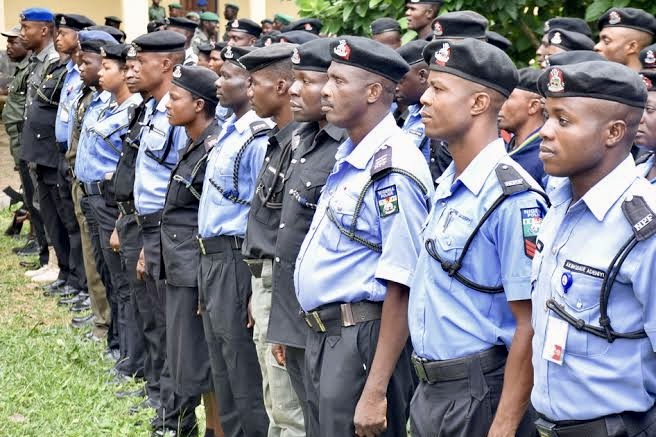
The Rivers State Police Command acted on credible intelligence on November 15, 2024, targeting a site where Pelele and his gang were attempting to kidnap a site engineer. According to Grace Iringe-Koko, the Police Public Relations Officer (PPRO), the operatives mobilised swiftly, catching the criminals in the act.
The scene quickly descended into chaos as the gang opened fire on the police. The ensuing gun battle was intense, with the operatives eventually gaining the upper hand. Pelele was fatally wounded, while his accomplices fled the scene, reportedly sustaining gunshot wounds.
Recovered from the operation were a deadly cache of arms, including an AK-47 rifle, two magazines, and ten live rounds of ammunition.
“This operation underscores our commitment to tackling crime and ensuring public safety in Rivers State,” Iringe-Koko stated, emphasising the importance of community collaboration in intelligence sharing.
Who Was Gbarani ‘Pelele’ Bume?
Pelele’s reputation preceded him as one of the most feared members of the Iceland cult group, which has plagued the Beree/Tabaa axis of Khana LGA for years.
Hailing from Bere Community, Pelele reportedly climbed the ranks within the cult, becoming a central figure in orchestrating kidnappings, armed robberies, and violent clashes. His operations extended beyond Khana LGA, with intelligence suggesting links to criminal networks across the Niger Delta.
Local sources describe him as a man driven by ambition and bloodlust, who wielded power through fear and violence. Yet, his death, while celebrated by some, leaves the Iceland cult largely intact, as these groups often operate as well-organised networks rather than single entities.
The Iceland Cult Group: A Hydra of Crime
The Iceland cult group, named after the cold brutality of its operations, is one of the deadliest gangs in Rivers State. Emerging initially as a local gang, the group has grown into a criminal syndicate with ties to illegal arms deals, drug trafficking, and electoral violence.
In the Beree/Tabaa region, the Iceland cult is notorious for its gruesome attacks on rival groups, particularly the Greenlanders. These clashes often leave communities devastated, with residents caught in the crossfire.
A community elder from Luawii, who spoke under anonymity, detailed the group’s grip on the area:
“They operate like they are above the law. They collect levies, extort businesses, and even decide who enters or leaves certain areas. With Pelele gone, someone else will take his place. This is a vicious cycle.”
The Police: A Tactical Victory Amid Limitations
The neutralisation of Pelele is undoubtedly a tactical victory for the Rivers State Police Command, showcasing improved intelligence gathering and operational efficiency. However, critics argue that the operation also exposes the reactive nature of law enforcement in the region.
Security experts point to systemic inadequacies, including underfunding, limited manpower, and corruption within the police force. While the swift response in Luawii is commendable, it raises the question: why did it take so long to track down a criminal as notorious as Pelele?
A retired senior police officer explained the hurdles:
“Many of these cult leaders are protected by powerful figures—politicians, businessmen, and even community leaders. Breaking through these layers of protection requires not just intelligence but the will to confront vested interests.”
The Arms Trade and Political Complicity
The recovery of an AK-47 rifle and live ammunition from the scene is a grim reminder of the proliferation of arms in Rivers State. The Niger Delta region, rich in oil but plagued by inequality, has become a hotbed for arms trafficking, with weapons frequently used in both criminal and political conflicts.
During election cycles, cultists like Pelele are often recruited by politicians as thugs to intimidate opponents and rig votes. This symbiotic relationship has allowed these groups to amass arms and grow unchecked.
“The guns they use during elections don’t disappear. They turn those weapons on the very communities they are supposed to represent,” said a Port Harcourt-based civil rights activist.
The Community’s Dilemma: Relief or Retaliation?
For residents of Luawii and the greater Khana LGA, the death of Pelele is a double-edged sword. On one hand, it signals a potential end to one man’s reign of terror. On the other, it leaves a power vacuum that could incite retaliation from his loyalists or rival gangs seeking to assert dominance.
A market trader in Luawii captured the anxiety of many:
“We’re happy the police acted, but what about the others who escaped? They will come back for revenge, and we’re the ones who will suffer.”
Such sentiments underscore the urgent need for sustained security presence and community-focused policing to break the cycle of fear and violence.
Systemic Solutions: Beyond Gun Battles
While the police deserve commendation for their swift action, addressing the deeper roots of cultism in Rivers State requires more than reactive measures. Experts agree that tackling cultism demands a multi-pronged approach, including:
Education and Youth Empowerment: Many young people are drawn into cultism due to poverty, unemployment, and lack of opportunities. Government programs aimed at skill acquisition and education could help divert them from a life of crime.
Community Policing: Establishing trust between communities and law enforcement is essential. Residents must feel safe reporting criminal activities without fear of reprisal.
Economic Development: Addressing the economic disparities in the Niger Delta, particularly in oil-producing areas like Khana LGA, would reduce the socioeconomic conditions that breed crime.
Accountability for Politicians: The ties between cultists and politicians must be severed. This requires stringent laws and enforcement to punish anyone found arming or funding criminal groups.
A Call for Comprehensive Action
The killing of Gbarani “Pelele” Bume is a win, but it must not be the final note in the fight against the Iceland cult and other criminal syndicates in Rivers State. The government must prioritise the safety and welfare of communities over political expediencies.
The people of Khana LGA, like many others in Rivers State, deserve to live without fear of the next attack or the sound of gunfire echoing through their streets.
As the Rivers State Police Command intensifies its investigation and pursuit of fleeing gang members, it must also work collaboratively with state and federal authorities to dismantle the larger networks that perpetuate violence. Only then can victories like the one in Luawii translate into lasting peace for the beleaguered communities of Rivers State.