By Peter Jene, Senior National Correspondent
Rivers Assembly’s Directive to Julius Berger: Addressing Deplorable Alternative Routes and the Public Outcry

The Rivers State House of Assembly, at its 64th Legislative Sitting on Friday, called for swift and targeted actions to alleviate the escalating distress of residents affected by the ongoing Port Harcourt Ring Road project. As traffic congestion and road degradation along designated alternative routes worsen, the Assembly’s directive to Julius Berger PLC, the project’s primary contractor, marks a crucial intervention. Moving this motion, Hon. Emilia Amadi, the Chairman of the House Committee on Works, emphasized the Assembly’s stance, reinforcing the urgent need for the multinational construction firm to conduct immediate remedial repairs on these routes. In a demonstration of empathy, the Assembly simultaneously mourned the victims of the recent Bonny helicopter crash, pausing for a minute of silence to honor the tragic loss of six lives.
However, the Rivers State government’s intervention arrives amid widespread criticism about the apparent disconnect between large-scale projects and their adverse effects on local communities. Many residents and commuters have expressed frustration over the state’s prioritization of expansive infrastructure projects at the expense of day-to-day road quality. This report delves deeply into the Assembly’s directive, evaluating the broader socio-economic impacts, the project’s management by Julius Berger, and the growing public sentiment on state infrastructure projects that are, on one hand, applauded for their vision but, on the other, questioned for the inconveniences they impose on the average resident.
The Port Harcourt Ring Road Project: Aspirations and Public Disruptions
With its ambition to enhance Port Harcourt’s connectivity, the Ring Road project has been promoted as a transformative force in the city’s urban development landscape. A vital link for economic expansion, the project promises to alleviate traffic congestion, reduce travel times, and establish a more accessible Port Harcourt. Nevertheless, the reality on the ground reflects an arduous journey for thousands of commuters who now endure extended travel times on alternative routes, some of which have suffered from severe wear and tear due to increased vehicular load.
When the Assembly approved a supplementary appropriation for the project in 2023, there was anticipation of clear, robust mitigation plans that would preemptively address these alternative routes. However, as the directive acknowledges, alternative roads meant to serve as temporary detours have instead become symbols of inefficiency and mismanagement. Overwhelmed by the diverted traffic and largely unprepared for such heavy use, these roads have deteriorated into rutted, hazard-ridden paths, contributing to accidents and loss of productivity.
Hon. Emilia Amadi’s Motion: An Urgent Call for Action
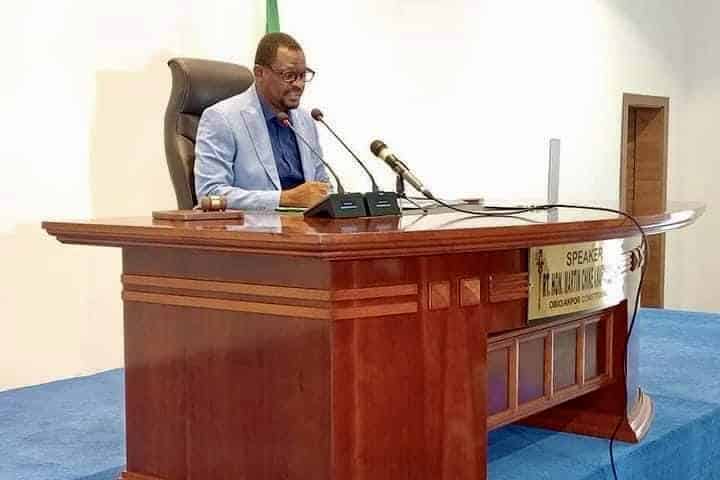
In a display of legislative resolve, Hon. Emilia Amadi’s motion confronted Julius Berger’s apparent oversight in maintaining the integrity of the designated alternative routes. With the House unanimously supporting Amadi’s position, the message was clear: Julius Berger must immediately address the road conditions impacting residents’ daily lives. The Assembly’s resolution, backed by Speaker Rt. Hon. Martin Amaewhule, includes a mandate for the House Committee on Works to engage directly with Julius Berger, ensuring that the directive is not only communicated but stringently monitored for compliance.
Speaker Amaewhule echoed this urgency, underscoring the Assembly’s dissatisfaction with the status quo, which he described as a “direct affront to the quality of life for Rivers State residents.” In a meeting with the press, Special Assistant on Media to the Speaker, Martins Wachukwu, confirmed that the Assembly is prepared to take further actions should Julius Berger fail to meet its obligations.
Such rhetoric from the Assembly has highlighted a fundamental concern: despite contractual obligations and a hefty appropriation, Julius Berger’s response to mounting road deterioration appears sluggish, stoking tensions and raising questions about the governance structures overseeing this project.
The Bonny Helicopter Crash: Mourning Lives Lost in the Midst of Legislative Action
In a poignant moment during Friday’s legislative session, Hon. Major Jack, Leader of the House, took a moment to draw attention to a tragic incident that has struck the community. A fatal helicopter crash in the Bonny area claimed the lives of six individuals, prompting the Assembly to hold a minute’s silence in remembrance of the victims.
Hon. Jack’s words of condolence to the families affected served as a solemn reminder of the fragility of life. Reflecting on the incident, he expressed hope for a thorough investigation into the crash, emphasizing the need for stringent safety protocols in aviation to prevent such tragedies in the future. His statement resonated with many in attendance, lending a somber tone to the Assembly’s proceedings.
Julius Berger’s Role Under Scrutiny: A Recurring Pattern in Public Works Projects?
Julius Berger PLC, a powerhouse in Nigerian infrastructure, is no stranger to high-stakes projects that promise urban transformation. With the Port Harcourt Ring Road, Julius Berger’s role is extensive, covering the engineering, procurement, and construction facets of a highly ambitious project. However, as the Assembly’s directive reveals, even experienced contractors can face pitfalls when project management falls short of addressing community concerns.
The Assembly’s discontent with Julius Berger’s apparent lack of proactive maintenance on alternative routes is not an isolated incident. From Lagos to Abuja and now Port Harcourt, the firm has encountered public backlash for what critics describe as “development at any cost.” The firm’s track record has faced increasing scrutiny, with the Port Harcourt Ring Road project now joining a roster of projects criticized for putting economic ambitions ahead of the immediate well-being of residents.
The Broader Implications for Infrastructure Governance and Public Accountability
The Assembly’s intervention sends a stark message to other stakeholders involved in public infrastructure: citizen welfare cannot be an afterthought in the pursuit of development. At the heart of the issue lies a critical question of accountability—how can the state ensure that private contractors fulfill their responsibilities to the public in a transparent, responsive manner?
The Rivers Assembly’s directive reflects a push towards a more citizen-centered approach, demanding not just commitment to contractual obligations but active, demonstrable efforts to mitigate disruptions caused by public works projects. Moreover, it calls attention to the importance of alternative route maintenance as a fundamental element of infrastructure planning, especially in projects that inherently impose temporary yet significant strain on the surrounding road network.
Amplifying the Public’s Voice: From Social Media Outcry to Legislative Action
The Assembly’s decision follows months of mounting public frustration, as Rivers State residents turned to social media platforms to air their grievances about deteriorating road conditions. Hashtags like #FixRiversRoads and #PHRingRoadSaga gained traction, becoming virtual rallying points for affected citizens. Testimonials shared online paint a vivid picture of the daily struggle, with some residents recounting hours-long commutes on roads marred by potholes and constant traffic snags.
This groundswell of public discontent eventually made its way to the Assembly floor, compelling legislators to prioritize residents’ grievances over the allure of project completion timelines. Friday’s session marked a turning point, showcasing the power of collective citizen voices in shaping policy responses and holding both the state and its contractors accountable.
What’s Next for Julius Berger and the Port Harcourt Ring Road?
While the Assembly’s directive may alleviate some pressure on alternative routes, it remains to be seen how Julius Berger will respond to the mounting expectations. With Speaker Amaewhule’s unequivocal call for accountability, the company is under significant pressure to demonstrate its commitment to the public welfare.
Should Julius Berger fail to act promptly, the Assembly may consider additional measures, including sanctions or contractual renegotiations to safeguard the interests of Rivers State residents. In the coming weeks, the House Committee on Works will oversee the implementation of the directive, with weekly progress reports expected from Julius Berger to ensure compliance.
The Rivers Assembly’s directive stands as a testament to the power of legislative oversight in shaping infrastructure outcomes, advocating for the rights of citizens amid large-scale projects. By compelling Julius Berger to address the condition of alternative routes, the Assembly has reaffirmed its commitment to public welfare, balancing the aspirations of Port Harcourt’s urban transformation with the day-to-day needs of its residents. This intervention, paired with its tribute to the Bonny helicopter crash victims, reflects a nuanced approach to governance—one that values both visionary progress and the sanctity of human life.
As the public eagerly awaits the promised road repairs, one thing remains clear: for Rivers State, the journey toward modern infrastructure must go hand in hand with the well-being of its people.