By Editor
Peter Obi’s Bold Stand Against Injustice

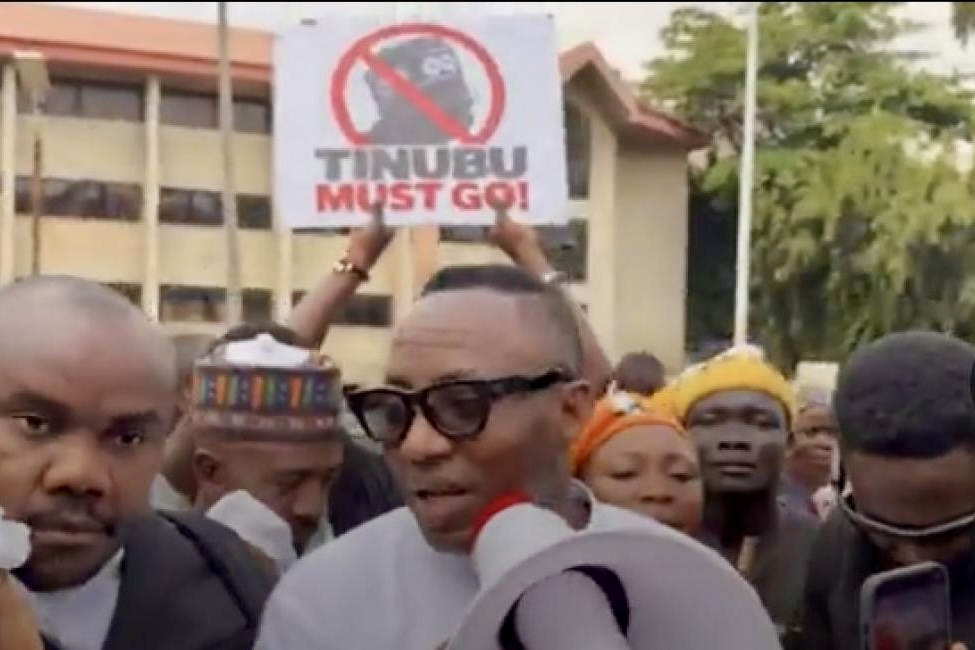
Peter Obi’s recent statement has shaken Nigeria’s political landscape, exposing a disturbing reality behind the treatment of #EndBadGovernance protesters detained by federal authorities. Obi’s condemnation of the conditions faced by 124 protesters, which reportedly include minors, highlights a critical issue of human rights abuses that has ignited public outrage. His remarks shed light on the harsh conditions, alleged mistreatment, and lack of dignity accorded to these individuals while in federal custody—a situation that he argues contradicts Nigeria’s constitutional promise of freedom and democracy.
Atlantic Post, with years of experience reporting on Nigeria’s political challenges, is compelled to delve deeply into Obi’s statement and its ramifications. This report examines the troubling allegations, scrutinises the government’s approach to dissent, and assesses the broader implications of Obi’s appeal for justice.
Peter Obi’s Statement: A Breakdown of Key Issues
In his statement, Obi paints a vivid and unsettling picture of minors, “some so weak that they could barely stand, others fainting from sheer exhaustion and lack of nourishment.” He emphasises that many of these individuals appeared “visibly malnourished and starved,” a sight he calls “disturbing and condemnable.”
Obi’s words reveal a tragic irony: these protesters, arrested for their opposition to what they describe as poor governance, are now experiencing what he views as governmental mistreatment. Their detention, he implies, is an affront to their fundamental rights—a violation that should shake the very conscience of every Nigerian citizen. He questions the government’s commitment to democratic values, given that these protesters, including minors, were reportedly detained in a manner devoid of basic respect for human dignity.
Obi raises three major points that warrant serious consideration:
- Alleged Inhuman Treatment of Minors: Obi highlights that the detainees, many of whom are minors, are suffering in custody due to inadequate care, malnutrition, and neglect. This treatment, according to Obi, is a violation of their fundamental rights.
- Violation of Democratic Principles: Obi points to the hypocrisy of government officials who once leveraged the democratic right to protest but now suppress the same rights when in power.
- Demand for Accountability and Justice: Obi calls on key government agencies—the Minister of Justice, the Attorney General, the Police, the Department of State Services (DSS), and the National Human Rights Commission (NHRC)—to investigate these allegations and ensure such treatment is not repeated.
Examining the Alleged Treatment of Detainees
Obi’s description of the protesters’ condition conjures an image of profound neglect. Reports of detainees fainting from hunger, appearing malnourished, and being unable to stand on their own are enough to raise serious concerns about the federal authorities’ handling of detainees. Under Nigerian law, suspects, even when held in custody, retain certain rights—especially when they are minors, who require additional protections under international conventions like the United Nations Convention on the Rights of the Child (CRC), to which Nigeria is a signatory.
Human rights activists and civil society groups are alarmed by Obi’s allegations, which suggest that these young detainees were subjected to treatment that borders on inhumane. The alleged malnutrition and exhaustion faced by these minors indicate a level of neglect that is incompatible with Nigeria’s obligations under both domestic and international law. Obi’s statement has since prompted organizations such as Amnesty International and the NHRC to call for an investigation, yet many Nigerians remain skeptical about the government’s willingness to hold itself accountable.
A Hypocritical Stance on Protest and Free Speech?
One of the most striking aspects of Obi’s statement is his criticism of government officials who once championed the right to protest but now suppress it from positions of power. This irony is not lost on the public, especially those who remember when opposition leaders themselves took to the streets to demand accountability and reform. By pointing out this hypocrisy, Obi has tapped into a sentiment of growing disillusionment among the Nigerian people.
In a democracy, the right to protest is foundational. It represents the people’s voice, a means for citizens to express dissatisfaction, especially when they feel that other avenues for change are closed. For many, the harsh treatment of these protesters signals a dangerous shift towards authoritarianism, where free speech is stifled, and dissent is met with punitive measures.
The Broader Implications for Human Rights in Nigeria
Obi’s remarks not only highlight the specific plight of these detained protesters but also cast a broader light on Nigeria’s handling of human rights and freedoms. The treatment of these minors brings into question Nigeria’s adherence to its constitutional promises, as well as its international obligations. If Obi’s allegations are true, they indicate a disturbing trend in which state institutions treat dissent as a threat, rather than as a fundamental democratic right.
The potential violations extend beyond the detained protesters themselves. The larger issue at hand is Nigeria’s international reputation as a democratic nation. If the Nigerian government, in its handling of these detainees, continues to flout basic principles of human dignity, it risks damaging its standing on the global stage. Obi’s comments that “we are part of a global community where human dignity should be respected” serve as a poignant reminder that Nigeria’s actions are being scrutinised by both local and international observers.
Obi’s Call for an Investigation: A Test of Government Accountability
Obi’s call for an investigation into the alleged mistreatment of these minors is a challenge to the Nigerian government to prove its commitment to justice and accountability. By addressing his plea to the Minister of Justice, the Attorney General, the Police, DSS, and NHRC, Obi has effectively placed the responsibility of justice squarely in the hands of those entrusted with upholding Nigeria’s legal and moral standards.
The outcome of this call for investigation will have significant implications for Nigeria’s credibility. If the government heeds Obi’s plea and conducts a transparent investigation, it could mark a step towards restoring faith in the justice system. However, if the authorities fail to act, it will reinforce the perception that Nigeria’s institutions are complicit in the suppression of rights and freedoms.
Justice Egwuatu’s Decision to Halt Proceedings: A Rare Moment of Judicial Integrity?
Amid the turmoil, Justice Obiora Egwuatu’s decision to halt the trial was a powerful statement in itself, sparing Nigeria from “further embarrassment” as Obi eloquently puts it. By pausing the proceedings, Justice Egwuatu has momentarily protected Nigeria’s reputation and highlighted the judiciary’s potential role in upholding democratic values, even amid systemic pressures to curtail them.
In a nation where the judiciary is often perceived as lacking independence, Justice Egwuatu’s actions demonstrate the importance of judicial oversight as a counterbalance to executive overreach. Obi’s words of appreciation for Justice Egwuatu are a testament to the critical role the judiciary can play in safeguarding rights and liberties, even when these protections clash with the interests of those in power.
The Role of Civil Society and International Organisations
Following Obi’s call for accountability, Nigeria’s civil society groups and international organisations have an opportunity to amplify the call for transparency. Bodies like the NHRC, Amnesty International, and the African Union have the power to pressure Nigeria into upholding its commitments to human rights.
Local activists are mobilising on social media, using Obi’s statement as a rallying cry for justice. These organisations are calling for the release of the minors or, at the very least, their transfer to proper facilities that can provide the care and protection required by international standards. The continued involvement of international bodies will be crucial in maintaining pressure on the Nigerian government to address these allegations seriously.
Moving Forward: What’s at Stake for Nigeria?
Peter Obi’s powerful statement has sparked a national conversation on the role of the government in upholding the democratic rights of its citizens. For Nigeria, the treatment of these protesters—and particularly the minors among them—serves as a bellwether for the country’s commitment to human rights. Should the government fail to address the issues Obi has raised, it risks cementing its reputation as an adversary to its own people’s freedoms.
This case will likely have repercussions that extend beyond the immediate situation of these 124 detainees. The Nigerian government’s response will signal to its citizens, and to the world, whether it views dissent as a crime or as a right inherent in any democracy. Obi’s call for accountability, backed by a groundswell of public and international support, presents an opportunity for Nigeria to reassert its democratic principles and align with global human rights standards.
A Defining Moment for Nigerian Democracy
Peter Obi’s statement, impassioned and critical, challenges Nigeria’s government to prove its dedication to human dignity and democratic values. His call for an investigation into the treatment of these detained minors is a clarion call for justice, and a stark reminder of what is at stake for Nigeria’s future.
For Nigeria to uphold its democratic integrity, it must treat even those who protest against it with the dignity and respect promised by its constitution. In doing so, the government will affirm its commitment to the values that are the foundation of any free society. In failing to act, however, Nigeria risks not only alienating its people but also tarnishing its standing on the global stage. The eyes of the world—and, more importantly, those of its own citizens—are now firmly on Nigeria’s response to this critical challenge.
Peter Obi’s plea underscores that Nigeria stands at a crossroads, where the values it chooses to uphold—or forsake—will shape its future. This incident, involving 124 protesters facing alleged mistreatment in custody, is more than an isolated incident; it’s emblematic of larger struggles over freedom, democracy, and human rights in the country. The political implications are vast, and the world is watching closely to see how Nigeria’s leaders respond to Obi’s demand for justice.
Public Response: A Growing Discontent with Government’s Stance on Human Rights
Obi’s words have ignited a significant reaction among the Nigerian populace, especially among youth activists who see in him a powerful advocate for their cause. Many citizens, particularly younger Nigerians who took part in the #EndSARS and #EndBadGovernance movements, view this case as another instance where the government has failed to respect the voice of the people. Social media platforms have become a ground for expressing outrage and solidarity, with hashtags and trending discussions pushing for the protection of these detainees and echoing Obi’s demands for accountability.
Youth activists argue that the government’s recent actions reveal a pattern of suppressing dissent and criminalising lawful protest, which contradicts Nigeria’s democratic principles. In Obi’s appeal, they see validation for their grievances against systemic issues in governance. The growing online discourse underscores a prevailing disillusionment among Nigerians, particularly the youth, who feel that their voices and rights are consistently overlooked.
The Role of the Press and the Need for Transparency
The media in Nigeria is in a unique position to drive change by holding the government accountable and bringing transparency to these proceedings. Historically, the press has been a crucial pillar in supporting democracy and amplifying marginalised voices. In this instance, media coverage is critical in ensuring that the alleged inhumane treatment of minors in custody doesn’t go unnoticed or unaddressed.
Obi’s statement serves as a call to action for Nigerian journalists, encouraging them to investigate these claims and keep the public informed. Transparent reporting on the conditions faced by detainees and the government’s response will foster accountability and prevent similar incidents in the future. By spotlighting these issues, the press can help bridge the gap between citizens’ demands for justice and government actions, encouraging a more responsive and democratic state.
International Repercussions and Nigeria’s Standing on the Global Stage
As Obi pointed out, Nigeria’s handling of this case affects its image internationally. Nations around the world are increasingly evaluating each other based on their commitment to human rights and democratic values. For Nigeria—a regional leader in Africa and a member of international bodies like the United Nations and African Union—adherence to human rights is crucial not only for maintaining its moral authority but also for fostering diplomatic and economic relationships with other nations.
Failure to address the allegations surrounding the treatment of these protesters could result in repercussions such as international condemnation, potential sanctions, or even restrictions on aid from nations and organisations committed to human rights. For Nigeria to continue engaging with the global community on equal footing, it must demonstrate its commitment to upholding human dignity, even when dealing with dissenters.
Long-Term Impact on Youth and Civic Engagement in Nigeria
This incident could have lasting implications for Nigeria’s youth and their willingness to engage in civic matters. If Obi’s call for justice is ignored, and if these alleged abuses are not addressed, it could send a chilling message to young Nigerians: that their government is willing to punish dissent rather than listen to it. Such a message could discourage future engagement and create an atmosphere of fear, where citizens feel that expressing dissatisfaction with the government is not worth the potential consequences.
Conversely, if the government acts responsibly and addresses these issues transparently, it could restore some level of trust between the state and its citizens, especially the youth. By acknowledging the rights of protesters, Nigeria would be affirming that its democracy is robust enough to accommodate differing opinions and respect the constitutional freedoms it promises.
Final Call: Upholding the Nigerian Constitution and Democratic Integrity
Peter Obi’s impassioned statement serves as a reminder of the responsibilities that come with democratic governance. The Nigerian constitution guarantees certain rights, including freedom of speech and the right to peaceful protest. It also assures citizens of humane treatment, regardless of the circumstances under which they interact with the state. For Nigeria to remain a democracy that genuinely serves its people, it must uphold these principles unconditionally.
In addressing this case, the government has a choice: it can either affirm its commitment to the values enshrined in the constitution or continue down a path that undermines its democratic foundations. If the state chooses the latter, it risks eroding the very fabric of Nigeria’s democracy, alienating its people, enabling absolutism and positioning itself as an adversary to the rights it was established to protect.
In conclusion, Peter Obi’s call for justice is more than a plea for the rights of 124 detainees; it’s a call for Nigeria to reaffirm its identity as a democratic nation committed to human rights and the dignity of all its citizens. Whether the government listens to Obi’s appeal or disregards it will define not only the fate of these protesters but also the direction of Nigeria’s democratic journey. The people are watching, the world is watching, and history will remember the choice Nigeria makes in this pivotal moment.
With reporting from Osaigbovo Okungbowa, Atlantic Post Senior Political Correspondent.