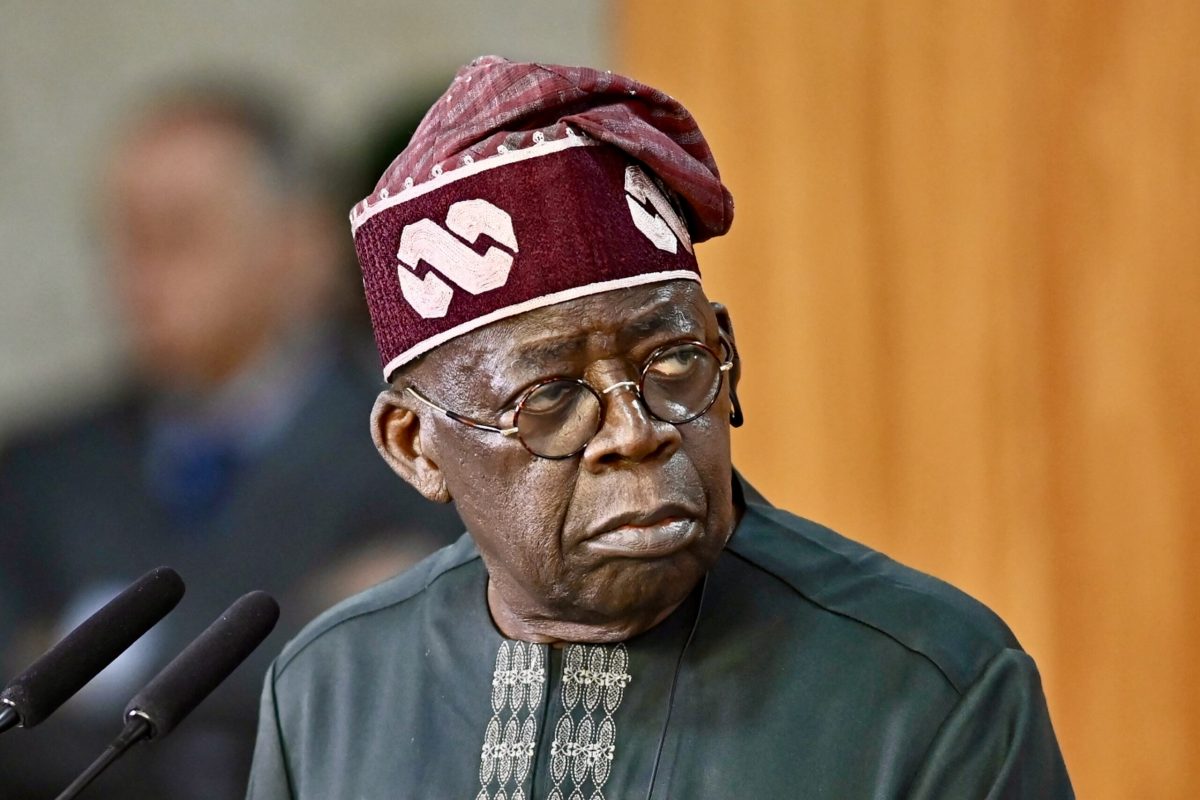
The Peoples Democratic Party (PDP) has formally inaugurated a 46-member National Elective Convention Zoning Committee, placing Bayelsa State Governor Douye Diri centre stage as chairman as the party races towards its national convention in November.
The handover of this sensitive assignment, which took place at the party’s Wadata Plaza headquarters in Abuja, was conducted under the watchful eye of Acting National Chairman Ambassador Umar Damagum, who urged members to deploy “wisdom, magnanimity and experience” in producing a “robust formula” for the convention.
The committee’s creation and composition are tactical as much as procedural. The PDP has set the convention for mid-November as it tries to halt the haemorrhage of public confidence and present a united front ahead of the 2027 battle.
The inauguration is being billed as the first decisive step in that recovery, with party organs insisting that zoning, the informal power-sharing formula that maps offices across Nigeria’s regional fault-lines, must be handled transparently if the PDP is to regain traction.
There is much riding on Governor Diri. A former senator who rose to his current office after high-profile legal storms, Diri’s selection as chair signals the party’s desire to place a perceived conciliator at the eye of an intra-party cyclone.
But the optics are tricky: a committee chaired by a sitting governor, flanked by other incumbent governors, stokes fears that state executives will wield undue influence over outcomes that ought to be negotiated by a broader cross-section of stakeholders.
The Acting NWC’s public insistence on fairness will mean little if rank-and-file members perceive decisions to have been pre-ordained.
Bauchi Governor and PDP Governors’ Forum chair, Senator Bala Mohammed, poured political fuel on the page when he framed the committee as the vehicle to “reposition the party to rescue Nigerians.”
That rhetoric, noble on its face, doubles as a rallying cry for governors who, with only ten states under PDP control nationwide, are painfully aware of their diminished footprint and are eager to consolidate influence ahead of future contests.
The number of PDP-governed states has been a talking point within the party as it maps recovery strategies.
History warns the PDP against complacency. The party’s zoning practice has repeatedly been both a safety-valve and a source of rupture — a mechanism that, when respected, mollifies regional rivals, and when flouted, sparks bitter splits.
Academic analyses of party zoning underline a paradox: zoning preserves elite bargains and diversity at the price of internal democracy and occasional impasse.
If the committee attempts a heavy-handed fix without broad consultation, it risks re-igniting factional fights that bled the party in previous cycles.
Practically, the committee faces an impossible calculus: balance northern and southern claims, placate heavyweights, protect incumbents, and still produce a ticket that appeals to a weary electorate.
That will require minute forensic work, not only a mapping of states and senatorial districts, but credible guarantees of internal democracy.
Governor Diri’s public promise to be “consultative, inclusive and fair” is the correct rhetoric; it will be judged by deeds, timetables and the transparency of the process.
The stakes are both immediate and strategic. A transparent zoning formula could re-energise the PDP’s base and present a clear alternative to the ruling party.
Conversely, a perceived stitch-up will hand the APC a fresh line of attack and deepen the distrust among influential PDP figures who already question the NWC’s direction.
The next weeks are therefore decisive: minutes, meetings, and the release, or suppression, of committee deliberations will tell the true story.
For now, the PDP has offered a script of unity. But in Nigerian politics rhetoric is cheap and history is long.
The Diri-led committee will either be remembered as the pivot that rebuilt a national opposition — or the forum that confirmed a party still unwilling to resolve the structural tensions that cost it power in the first place.
Expect fireworks; expect petitions; and expect that every perceived tilt will be seized by opponents and allies alike as proof the PDP still has its old habits to break.
Follow us on our broadcast channels today!
- WhatsApp: https://whatsapp.com/channel/0029VawZ8TbDDmFT1a1Syg46
- Telegram: https://t.me/atlanticpostchannel
- Facebook: https://www.messenger.com/channel/atlanticpostng