OSOGBO, Osun State — In a scene that has raised serious questions about the integrity of local electoral processes in Nigeria, the Osun State local government election held on Saturday has been characterised by low voter turnout and glaring administrative oversights.
The electoral anomalies unfolding in Osun State—marked by missing ad hoc staff, unoccupied polling units, and blatant non-compliance with state directives—demand a rigorous examination.
A Disorganised Day at the Polls
The electoral day in Osun was anything but typical. Correspondents from the News Agency of Nigeria (NAN) reported an overall disorganisation at several polling units across the state.
In Osogbo, key polling stations in areas such as Ogo-Oluwa, Alekunwodo, Olaiya, and Oja-Oba were notably devoid of voters, OSSIEC ad hoc staff, and even security personnel by mid-morning.
More alarmingly, essential electoral protocols, such as the public display of the voters’ list, were absent in numerous units.
This chaotic scenario starkly contrasts with the orderly conduct observed in certain pockets of the state. For instance, in Ede—the hometown of Governor Ademola Adeleke—there were pockets of electoral activity.
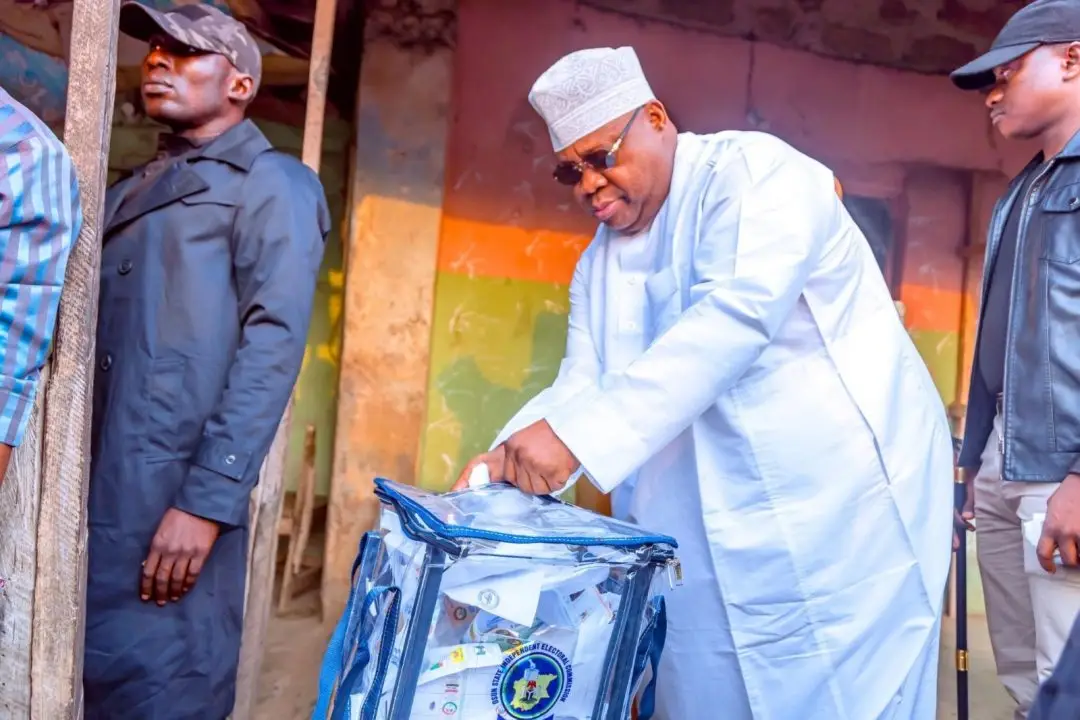
Polling units at Obalaoye Grammar School in Unit 2 Ward 4 and Oloba Atapara Ward 1, Unit 6, saw some voters patiently waiting in queue.
Yet, these isolated instances of normalcy are overshadowed by the overwhelming narrative of electoral neglect elsewhere.
The Absent Electoral Officials and Voter Apathy
Central to this controversy is the conspicuous absence of OSSIEC’s ad hoc staff at many polling stations. The electoral commission, which is expected to uphold the integrity of the democratic process, was notably lacking in its manpower and presence in several critical areas.
In polling units across both Osogbo and Ile-Ife, observers recorded a disturbing void—not only in the voter turnout but also in the essential personnel needed to manage the process.
Such absenteeism does not occur in a vacuum. The failure to deploy adequate electoral staff undermines the entire voting process, contributing to voter apathy and a lack of confidence in the system.
When the people see that the custodians of democracy are absent, it sends a resounding message that the process might be compromised, or worse, that their votes may not count.
This was a sentiment echoed by local electorates, with one voter, Mr Nifemi Akingbala, asserting that “the process had been so peaceful” despite the evident lapses, urging his fellow citizens to “cast their votes without fear.”
His comments, though positive in tone, must be tempered by the wider reality of administrative shortcomings.
Disregard for Government Directives
Another significant issue that emerged was the blatant disregard for the gubernatorial order restricting vehicular movement from 5 a.m. to 5 p.m. Governor Adeleke’s directive was clearly designed to facilitate a smooth and secure voting environment.
et, despite these instructions, free vehicular movement was observed across the state—a fact that undermines both the spirit and the letter of the election protocols.
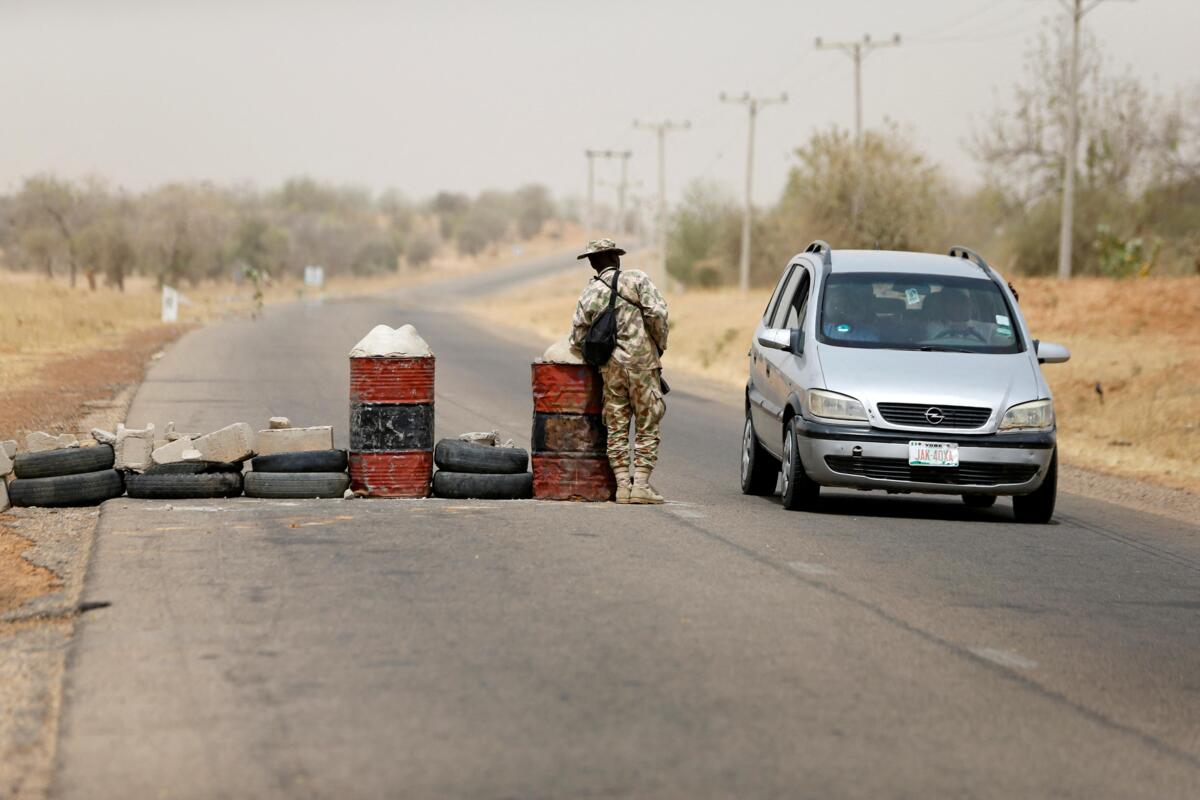
Although police roadblocks were set up along major roads, the overall failure to enforce these restrictions raises questions about the efficacy of security measures during the electoral process.
This non-compliance not only disrupts the orderly conduct of the elections but also highlights a broader issue of accountability among the state’s law enforcement and electoral bodies.
The lack of strict adherence to security protocols may also have contributed to the low turnout, as voters might have felt less secure in an environment where state regulations were not fully implemented.
Contrasting Scenarios: Ede Versus Other Regions
A striking aspect of the day’s events is the disparity between different local government areas. While Osogbo and Ile-Ife painted a picture of widespread absenteeism, Ede stood as an anomaly where voters did turn out in noticeable numbers.
At polling stations like Obalaoye Grammar School and Oloba Atapara Ward, dedicated OSSIEC staff managed the process with a semblance of order and efficiency.
The presiding officer at one such unit, Emmanuel Olayiwola, confirmed that the election had commenced promptly at 8:30 a.m. and proceeded peacefully, with votes being sorted for counting soon after.
This disparity prompts a critical question: What accounts for the difference in voter turnout and organisational efficiency between Ede and other parts of Osun State?
While some attribute the higher engagement in Ede to its proximity to the governor’s influence and the presence of more robust electoral staff, others suggest that the broader political climate and public trust in local government institutions may vary significantly across the state.
The Impact on Democratic Legitimacy
The implications of such irregularities extend far beyond the immediate results of the local government elections. Low voter turnout and the apparent failure of electoral authorities to enforce established protocols cast a shadow over the democratic process itself.
Elections are the cornerstone of any democratic society, and when they are marred by administrative lapses, it diminishes public trust and undermines the legitimacy of the elected officials.
The visible absence of voters in several polling units could be interpreted as a manifestation of disillusionment and scepticism among the electorate.
In a country where democratic processes are still in a state of evolution, such lapses can have long-term repercussions on civic engagement and voter turnout in future elections.
The perception that electoral authorities are either unable or unwilling to uphold their responsibilities may lead to increased voter apathy—a dangerous trend that could undermine the very foundations of democracy in Nigeria.
Political and Administrative Repercussions
The shortcomings observed on election day are likely to fuel political debates and administrative inquiries in the coming weeks. Critics of the current administration may leverage these incidents to question the effectiveness of the State Independent Electoral Commission (OSSIEC) and the overall management of electoral processes in Osun.
The fact that key polling units were left unattended, and crucial protocols such as the display of the voters’ list were neglected, suggests that there are deep-rooted organisational issues that need urgent redress.
Moreover, the non-compliance with the governor’s vehicular restrictions is likely to invite scrutiny not only from political opponents but also from civil society organisations dedicated to electoral reform.
There is a growing demand for increased transparency and accountability in the conduct of elections, and the events in Osun provide ample fodder for such calls.
The state’s leadership must now confront these challenges head-on by undertaking a comprehensive review of its electoral practices and instituting reforms that will restore public confidence.
Voices from the Electorate
Amid the chaos and administrative lapses, there were still moments of optimism, as evidenced by the voices of individual voters who experienced the process firsthand.
Mrs Aminat Idowu Aminat, who cast her vote at one of the units in Ede, commended the peaceful conduct of the election despite the broader challenges.
Similarly, Adewale Egbedun, the Speaker of the State House of Assembly, not only cast his vote at Odo-otin LGA but also praised OSSIEC for ensuring a calm electoral process.
His public affirmation—”the election would reflect the will of the people”—stands as a testament to the resilience of democratic processes even in the face of organisational shortcomings.
However, these individual accounts must be seen within the context of a larger systemic problem. The isolated pockets of order and efficiency do little to mitigate the overall impression of neglect and mismanagement that has plagued the day’s events.
If the authorities are to regain the trust of the electorate, they must address these issues comprehensively.
Looking Ahead: Lessons for Future Elections
The Osun LG election serves as a cautionary tale for electoral commissions across Nigeria. It is a stark reminder that the democratic process is only as strong as its weakest link.
The absence of OSSIEC personnel at multiple polling units, the disregard for gubernatorial directives, and the general lack of preparedness on election day all underscore the need for systemic reforms.
For future elections, it is imperative that state authorities take decisive steps to ensure that electoral protocols are not only established but rigorously enforced. This includes:
Enhanced Training and Deployment: Ensuring that all polling units are adequately staffed with well-trained OSSIEC personnel.
Strict Adherence to Security Protocols: Enforcing state-imposed directives such as vehicular restrictions to create a secure voting environment.
Transparency and Accountability: Making the voters’ list and other electoral materials publicly available at all polling units to bolster trust.
Voter Education and Engagement: Addressing voter apathy by engaging with communities and encouraging widespread participation in the democratic process.
The repercussions of neglecting these areas are profound. Without a robust electoral system, public trust in the democratic process will continue to erode, paving the way for increased political instability and reduced civic participation.
In conclusion, the Osun LG election has laid bare significant flaws in the administration of local government polls, from low voter turnout and missing electoral officials to a blatant disregard for state-imposed security measures.
While isolated instances of orderly conduct offer a glimmer of hope, the overall picture remains deeply concerning. As Nigeria continues its journey towards consolidating its democratic institutions, the lessons from Osun must serve as a catalyst for much-needed reform.
It is now incumbent upon the authorities to address these systemic issues, restore public confidence, and ensure that future elections are conducted in a manner that truly reflects the will of the people.
Failure to do so risks not only undermining the legitimacy of the electoral process but also the very foundations of democracy in Osun State and, by extension, Nigeria.
Atlantic Post remains committed to scrutinising the pulse of Nigerian politics, ensuring that every voice is heard and every irregularity is brought to light.
- Additional report by Osaigbovo Okungbowa, Atlantic Post Senior Political Correspondent