Oil prices have fallen to $65 per barrel, the lowest since 2021, due to US tariffs, a significant OPEC+ output increase, and escalating trade wars. This situation raises concerns over a potential recession, with market volatility threatening global economies, particularly in regions heavily reliant on oil revenue, such as Nigeria.
Crude Crisis: Oil Plummets to $65 as Tariffs, Trade Wars and OPEC+ Supply Hike Shake Global Markets
In a stunning turn of events that has sent shockwaves through the global energy landscape, oil prices have plunged to a staggering $65 per barrel—the lowest level since 2021. This historic downturn comes as a result of a perfect storm: aggressive US import tariffs, an unforeseen OPEC+ decision to dramatically boost output, and a burgeoning trade war that now threatens to destabilise economies worldwide.
Last week, oil prices had briefly rebounded following US President Donald Trump’s imposition of tariffs on nations purchasing Venezuelan crude. However, market sentiment soured rapidly as the combined weight of these measures erased a $10 per barrel cushion from global benchmarks.
According to leading market analysts, the swift descent was fuelled by mounting concerns that China’s retaliatory tariffs—escalating a trade war by levying a 34% duty on all US goods—could ultimately trigger a recession.
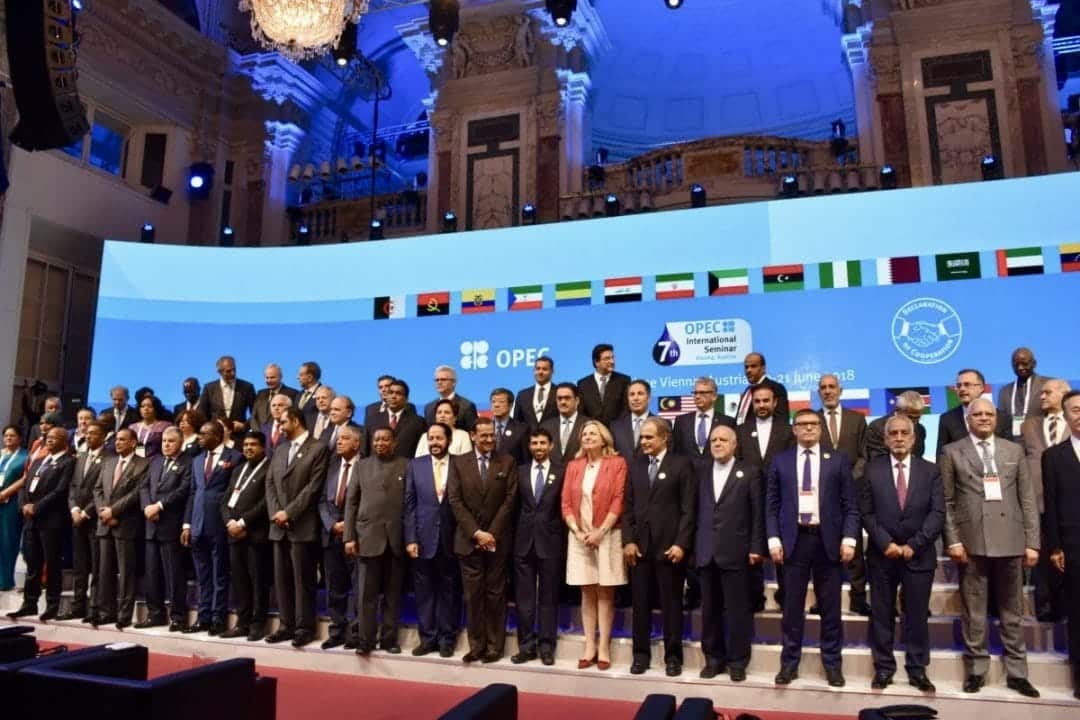
The situation is exacerbated by OPEC+’s latest, highly controversial move to accelerate production increases. In a shock decision, the cartel plans to return 411,000 barrels per day to the market in May—a figure nearly three times higher than previously anticipated.
This drastic step, intended to penalise non-compliant members, has contributed to a rapid slide in prices, with ICE Brent crude tumbling below the $65 mark for the first time since August 2021. Meanwhile, US West Texas Intermediate crude futures dropped $4.96, or 7.4%, to finish at a worrying $61.99 per barrel.
Critics argue that these intertwined policies reveal a fundamental miscalculation by global leaders. US tariffs, designed to protect domestic industries, are inadvertently triggering adverse ripple effects across energy and agricultural markets.
The resultant price volatility is set to undermine investor confidence, straining economies already beset by recession fears and slowing growth.
Market watchers warn that the relentless pressure on oil prices might spark a cascade of economic disruptions—from ballooning inflationary pressures to stifled industrial output and a contraction in global trade.
In Nigeria, where the energy sector is a key revenue pillar, such volatility is especially alarming, threatening both fiscal stability and the livelihoods of millions.
As geopolitical tensions intensify and economic indicators grow increasingly murky, this volatile cocktail of trade wars, policy missteps, and strategic production hikes paints a grim picture of the near-term future for global oil markets.
For now, the world watches with bated breath, uncertain whether a recalibration of policies can avert an impending energy crisis.
- Additional report from Taiwo Adebowale, Atlantic Post Senior Business Correspondent