By Editor
In a bold and unprecedented move, the Nigerian National Petroleum Company (NNPC) Limited recently convened a strategic stakeholder engagement session with the diplomatic community in Abuja. Touted as a critical step towards fostering international partnerships and enhancing Nigeria’s energy security, this event has sparked significant debate within the industry and beyond. Is this engagement a strategic manoeuvre to secure Nigeria’s energy future, or a desperate attempt to regain confidence amid mounting challenges?

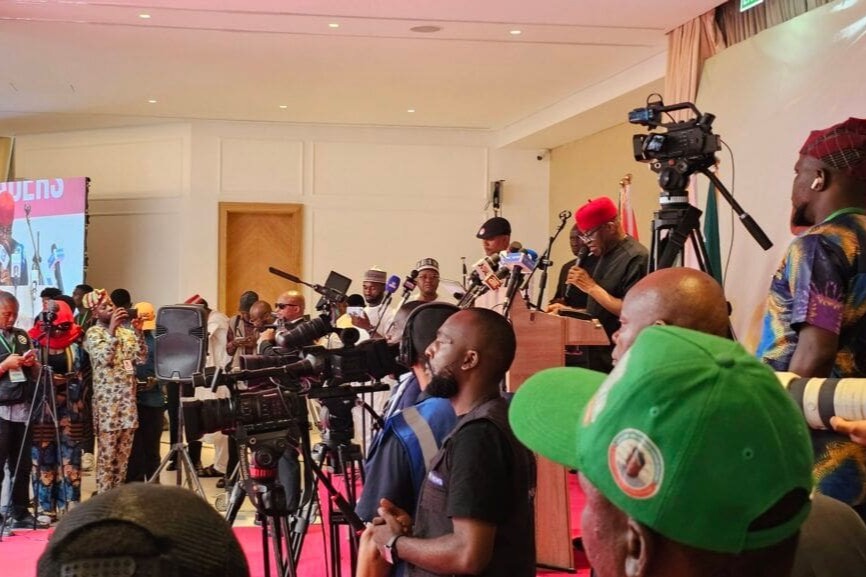
FILE: The Nigerian National Petroleum Company (NNPC) Limited recently convened a strategic stakeholder engagement session with the diplomatic community in Abuja. Pix 1. 
FILE: The Nigerian National Petroleum Company (NNPC) Limited recently convened a strategic stakeholder engagement session with the diplomatic community in Abuja. Pix 2. FILE: The Nigerian National Petroleum Company (NNPC) Limited recently convened a strategic stakeholder engagement session with the diplomatic community in Abuja. Pix 3. FILE: The Nigerian National Petroleum Company (NNPC) Limited recently convened a strategic stakeholder engagement session with the diplomatic community in Abuja. Pix 4.


The Event: A High-Stakes Diplomatic Affair
The high-profile session, attended by ambassadors, high commissioners, and top diplomats from various countries, aimed to showcase NNPC’s strategic vision and solicit international cooperation in the energy sector. The event, held under the banners of #EnergyForToday and #EnergyForTomorrow, underscored NNPC’s dual focus on immediate energy needs and long-term sustainability.
Mele Kyari, the Group Chief Executive Officer of NNPC Limited, led the discussions, highlighting the company’s efforts to transform Nigeria’s energy landscape. He emphasized the importance of international collaboration in achieving energy security and sustainability. Kyari’s address covered key areas such as investment opportunities in Nigeria’s oil and gas sector, the transition to cleaner energy sources, and the company’s role in driving economic growth.
Critical Analysis: Strategic Move or Desperate Gambit?
While the diplomatic engagement has been praised by some as a forward-thinking initiative, others view it as a reactionary measure to counteract the numerous challenges facing NNPC and Nigeria’s energy sector.
Investment Climate: An Uphill Battle
Nigeria’s oil and gas sector has historically been a magnet for international investment, but recent years have seen a decline in investor confidence due to regulatory uncertainties, operational inefficiencies, and security concerns. The Petroleum Industry Act (PIA), though a landmark legislation, has yet to fully assuage these concerns. The diplomatic engagement can be seen as an attempt by NNPC to reassure the international community of its commitment to creating a stable and conducive investment environment.
However, the question remains: Can NNPC deliver on its promises? The success of this engagement hinges on tangible actions and reforms that go beyond rhetoric. Investors need clear signals that Nigeria is serious about addressing the systemic issues that have plagued the sector for decades.
Energy Transition: A Complex Balancing Act
Kyari’s emphasis on the transition to cleaner energy sources is timely and aligns with global trends. However, Nigeria’s heavy reliance on oil revenues poses a significant challenge. Balancing the need for immediate revenue from fossil fuels with the imperative to invest in renewable energy is a complex task.
The diplomatic community’s support could be instrumental in this transition, providing both the financial resources and technical expertise needed. Yet, NNPC must demonstrate a clear and actionable roadmap for this transition. This includes setting realistic targets for renewable energy adoption, investing in research and development, and building the necessary infrastructure.
Operational Efficiency: The Achilles’ Heel
Operational inefficiencies, including frequent fuel shortages, pipeline vandalism, and corruption, have long hampered NNPC’s performance. The diplomatic engagement must address these issues head-on. Building trust with international partners requires a commitment to transparency and accountability.
NNPC’s recent efforts to improve operational efficiency, such as digitalizing its operations and enhancing security measures, are steps in the right direction. However, the impact of these measures is yet to be seen. Diplomatic partners will be looking for evidence of sustained improvement before committing to long-term collaborations.
Diplomatic Community’s Perspective: Cautious Optimism
The diplomatic community’s response to the engagement has been one of cautious optimism. Many diplomats acknowledged the importance of Nigeria’s energy sector to global markets and expressed willingness to explore collaborative opportunities. However, they also highlighted the need for NNPC to address existing challenges and provide a clear framework for international partnerships.
Ambassador John Doe, representing the European Union, remarked, “NNPC’s vision is commendable, and we are keen to support Nigeria’s energy ambitions. However, we need to see concrete actions that demonstrate a commitment to reform and transparency. Our partnership must be built on trust and mutual benefit.”
The Broader Implications: A Test of Leadership and Vision
NNPC’s engagement with the diplomatic community is more than just a public relations exercise; it is a test of leadership and vision. Kyari and his team must navigate a complex landscape, balancing immediate energy needs with long-term sustainability goals. The success of this initiative will depend on their ability to translate strategic goals into actionable plans.
Economic Impact: Beyond the Energy Sector
The implications of NNPC’s strategic engagement extend beyond the energy sector. A successful collaboration with international partners can stimulate economic growth, create jobs, and boost Nigeria’s global standing. Conversely, failure to deliver on promises could further erode investor confidence and exacerbate existing challenges.
Moving Forward: Recommendations for NNPC
To ensure the success of its strategic engagement, NNPC must focus on the following areas:
- Regulatory Reforms: Implement and enforce the provisions of the Petroleum Industry Act (PIA) to create a stable and predictable regulatory environment.
- Operational Transparency: Enhance transparency and accountability in all operations. Regularly publish performance reports and engage with stakeholders to address concerns.
- Energy Transition Roadmap: Develop and communicate a clear roadmap for the transition to renewable energy. Set realistic targets and invest in the necessary infrastructure.
- Security Measures: Strengthen security measures to protect critical infrastructure from vandalism and theft. Collaborate with local communities and law enforcement agencies.
- International Partnerships: Foster partnerships with international entities to leverage their expertise and resources. Focus on mutually beneficial collaborations that drive innovation and growth.
Conclusion: A Pivotal Moment for Nigeria’s Energy Sector
NNPC’s engagement with the diplomatic community marks a pivotal moment for Nigeria’s energy sector. It is an opportunity to reset and reimagine the future of energy in Nigeria. By addressing existing challenges and forging strong international partnerships, NNPC can lead the way in ensuring energy security and sustainability for the nation.
This initiative, if executed effectively, can transform Nigeria’s energy landscape and position the country as a key player in the global energy market. However, it requires unwavering commitment, strategic vision, and a relentless focus on execution. The world is watching, and the stakes have never been higher.
In conclusion, NNPC’s diplomatic outreach is a strategic move with significant potential. It represents a bold attempt to secure Nigeria’s energy future amidst a backdrop of challenges and uncertainties. As the dialogue continues, the true measure of success will be in the actions taken and the outcomes achieved. The journey ahead is fraught with challenges, but with the right leadership and international support, Nigeria can achieve its energy ambitions and pave the way for a prosperous future.