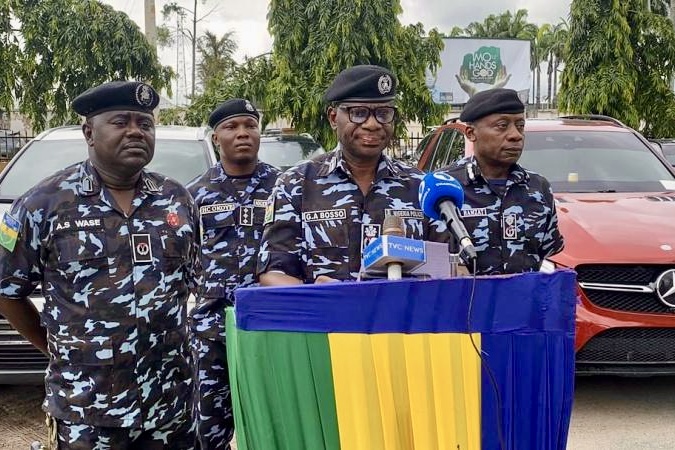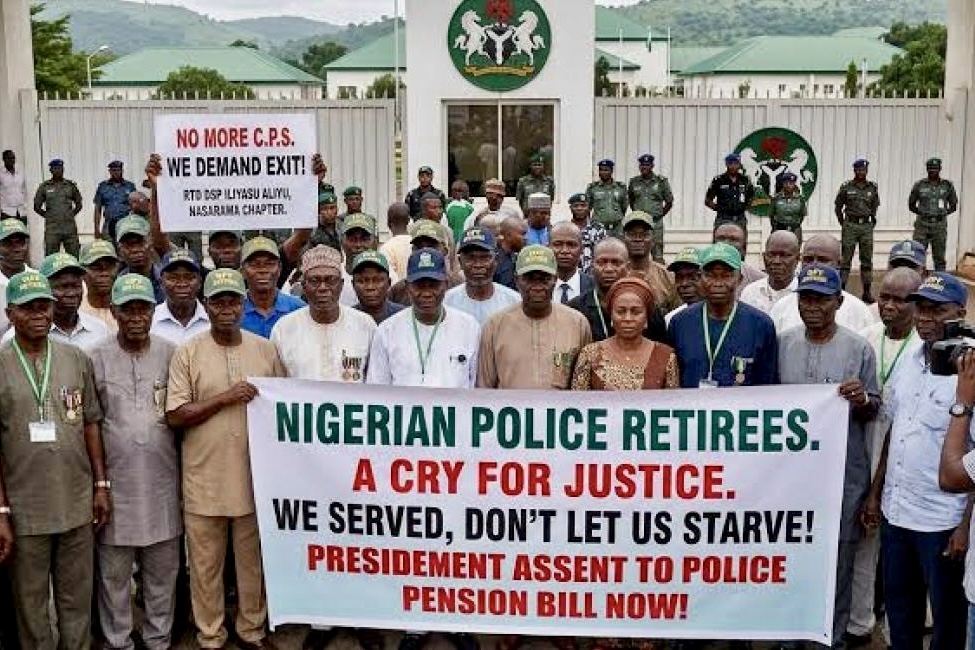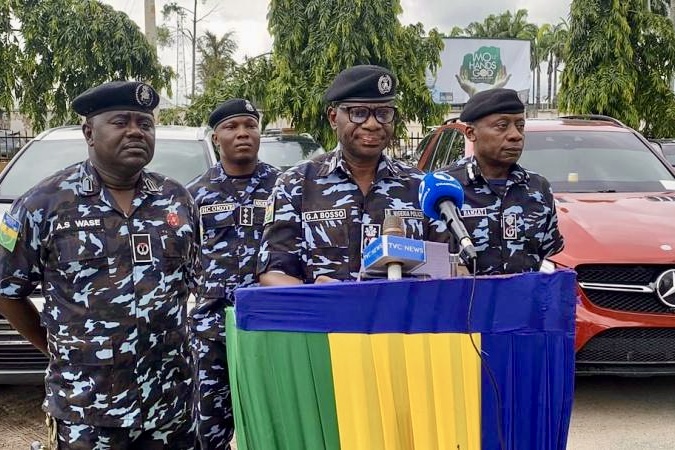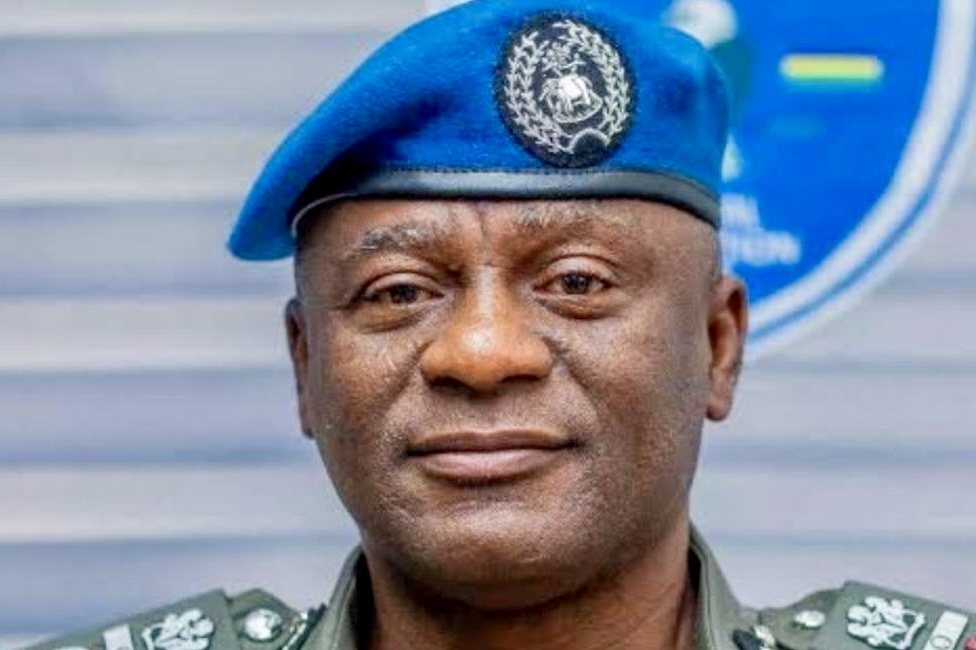
Nigeria’s long-running battle over state police has entered a sharper, more technical phase, with police authorities now openly saying the proposed framework was built after studying systems in the United States, India and Pakistan.
The disclosure, made at a workshop in Abuja, suggests that the debate has moved beyond slogan and into design — a sign that the Federal Government and security stakeholders are trying to translate political consensus into an operable policing model.
According to the police chief’s remarks reported by Punch and Premium Times, the committee completed its first draft in just 17 days and then submitted it to further review by retired Inspectors-General of Police.
He said: “I think it took us 17 days only to come up with a framework”, adding that the document still needs “some finishing touches”. He also said there had been “a lot of comparative analysis” and that the team had studied “India, America and even Pakistan”.
That comparative approach matters. By citing the US, India and Pakistan, the committee appears to have been looking at different federal or quasi-federal policing arrangements rather than trying to copy a single model wholesale.
That is significant because Nigeria’s own constitutional position remains restrictive: Section 214 of the 1999 Constitution states that there shall be a single Nigeria Police Force and that “no other police force shall be established for the Federation or any part thereof”.
Any real state police structure therefore still requires constitutional alteration before it can stand on firm legal ground.
The latest comments also confirm that the state police push is no longer just an idea floating among governors. The Nigeria Governors’ Forum this week reaffirmed its support for the proposed National Policing Bill, with Ogun State Governor Dapo Abiodun saying the aim is to create the legal and operational framework for implementation, not to centralise control.
He said the work was focused on defining where the powers of federal police stop and where state police begin.
That development follows a major legislative breakthrough in June, when Nigeria’s parliament passed a constitutional bill paving the way for each of the country’s 36 states to establish and run its own police force alongside the federal Nigeria Police Force.
Reuters reported that the bill still requires approval from at least two-thirds of state assemblies before it can take effect, while AP noted that the new system would still leave the federal police with responsibility for counterterrorism, border patrol and other national-security functions.
Supporters make the straightforward claim that Nigeria’s security issues cannot be handled by the current centralised structure because it is too slow, too far away, and too overworked.
The system has been overburdened by insurgency, mass kidnappings, community conflicts, and other dangers across several regions, according to Reuters and AP. Analysts contend that local intelligence and faster reaction times are desperately needed.
AP also highlighted the fear that lack of police presence in rural areas has allowed armed groups to operate with little resistance.
But the resistance to state police is just as familiar as the support. Critics warn that governors could misuse local forces against opponents, minorities or dissenters, while poorer states may struggle to fund training, logistics and salaries at the standard required for effective policing.
Reuters and AP both flagged those concerns as central to the debate, which is why the present phase of the project is less about political applause and more about building safeguards, funding rules and command boundaries that can survive real-world pressure.
Disu’s remarks also expose an important subtext: the police establishment does not seem to be resisting the idea from within. Instead, it is trying to shape it before politicians, governors and legislators do.
That is why his line, “The Federal Government of Nigeria has made up its mind to have state police”,7 is so revealing. It suggests that, at the top level, the argument is no longer whether Nigeria should decentralise policing, but how to do so without creating parallel security fiefdoms.
Another striking part of the story is the speed. A framework assembled in 17 days may be impressive, but it also raises questions about depth, consultation and long-term resilience. In a country where policing reform has failed repeatedly, speed alone is not proof of readiness.
The real test is whether the final model can handle funding gaps, constitutional hurdles, inter-agency coordination and political abuse without collapsing under the same pressures that have defeated previous reform efforts. That concern is reinforced by the fact that the legal road is still incomplete and the state assemblies must still ratify the amendment.
For now, the most important development is that the state police debate is no longer trapped in theory. The police have studied foreign models, governors are publicly backing the reform, parliament has moved the constitution-bill process forward, and the legal architecture is being drafted in earnest.
But Nigeria’s history with security reform teaches a blunt lesson: the announcement is often the easiest part. The difficult part is making the system work in the field, where insecurity, politics and power collide.
Follow us on our broadcast channels today!
- WhatsApp: https://whatsapp.com/channel/0029VawZ8TbDDmFT1a1Syg46
- Telegram: https://t.me/atlanticpostchannel
- Facebook: https://www.messenger.com/channel/atlanticpostng